

Working Principle and Features of Bulk Bag Unloading Pneumatic Conveying Equipment
For industrial facilities dealing with bulk materials, efficient and reliable material handling systems are crucial for maintaining smooth operations and optimizing production processes. The bulk bag unloading pneumatic conveying machine, a specialized equipment designed to handle large quantities of bulk materials from super sacks or bulk bags, offers a solution that combines efficiency, safety, and versatility. This article will delve into the working principle and key features of such equipment, providing a comprehensive overview for potential users and industry professionals.
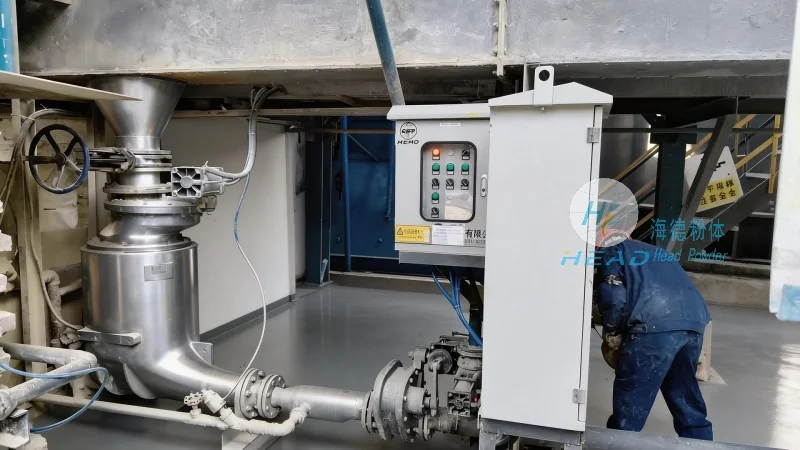
Overview of Bulk Bag Unloading Pneumatic Conveying Systems
Bulk bag unloading pneumatic conveying machines are engineered to automate the process of transferring bulk materials from flexible containers, commonly known as super sacks or FIBCs (Flexible Intermediate Bulk Containers), into processing or storage systems. These machines are widely used in industries such as food, chemical, pharmaceutical, and mining, where handling large volumes of powders, granules, or other bulk materials is a daily operation. The primary goal of these systems is to minimize manual labor, reduce material loss, and ensure consistent material flow, thereby enhancing overall operational efficiency.
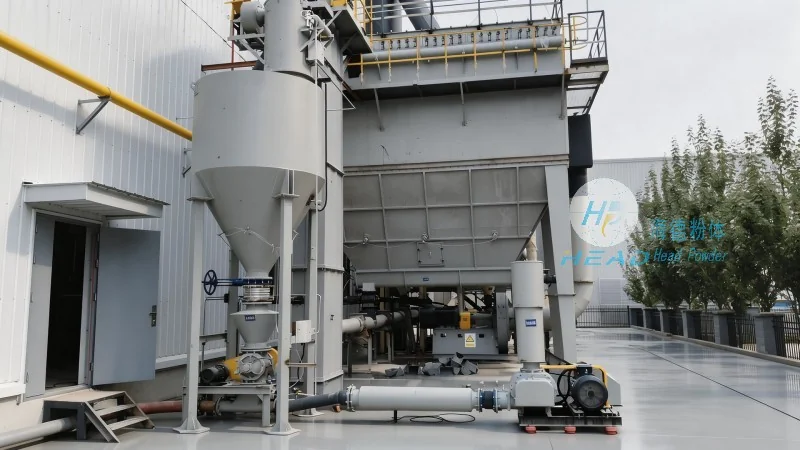
The Working Principle of Bulk Bag Unloading Pneumatic Conveying Equipment
The operation of a bulk bag unloading pneumatic conveying machine typically involves several key components and steps. The process begins with the placement of a bulk bag onto a support frame or a discharge chute. The machine then uses a combination of air pressure and vacuum to create a flow path for the material. Here’s a step-by-step breakdown of the working principle:
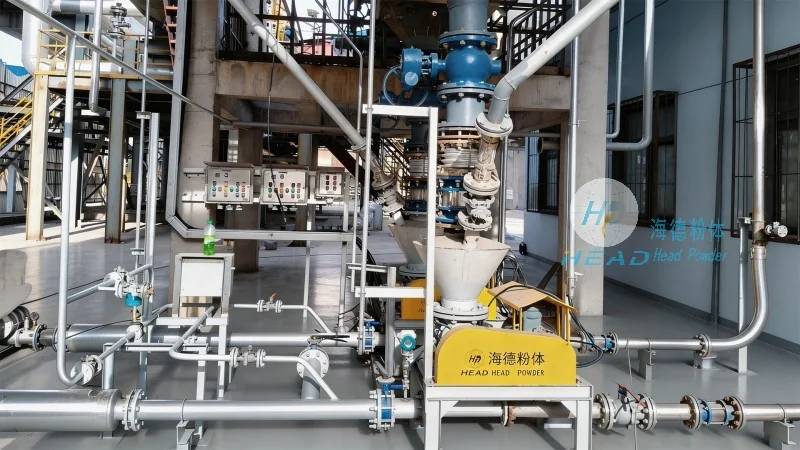
- Material Loading and Sealing: The bulk bag is positioned over a discharge spout or a hopper. The machine’s sealing mechanism, often a valve or a clamp, secures the bag to prevent air leakage and material spillage during the unloading process.
- Air Supply and Pressure Generation: A blower or a fan provides the necessary air pressure to create a positive pressure environment. This air is directed into the bag, inflating it slightly and ensuring that the material inside is compacted uniformly. The pressure helps to push the material towards the discharge outlet.
- Material Transfer via Pneumatic Conveying: Once the air pressure is established, the machine activates the conveying system. The material is then drawn from the bag through a hose or a pipe, using the air flow to transport it to the receiving hopper or storage silo. The conveying process can be either positive pressure (air pushing the material) or negative pressure (air pulling the material), depending on the design and the material characteristics.
- Discharge and Material Collection: The material is discharged into a designated container or processing unit. The system may include a filter or a dust collector to ensure that any fine particles are captured and returned to the material stream, preventing contamination and maintaining air quality.
Key Features and Advantages of Bulk Bag Unloading Pneumatic Conveying Machines
Bulk bag unloading pneumatic conveying machines offer several advantages that make them a preferred choice for many industrial applications. These features enhance their functionality, safety, and operational efficiency:
- Automated and Labor-Saving: The equipment automates the entire unloading process, reducing the need for manual handling of heavy and potentially hazardous bulk bags. This not only improves safety by minimizing exposure to dust and physical strain but also increases productivity by allowing operators to focus on other tasks.
- Efficient Material Transfer: By utilizing pneumatic conveying technology, these machines can handle large volumes of bulk materials quickly and efficiently. The air flow ensures consistent material flow, reducing the risk of blockages or uneven distribution, which is common in traditional manual unloading methods.
- Low Maintenance and Durability: The design of bulk bag unloading pneumatic conveying machines emphasizes durability and low maintenance. High-quality materials and robust construction ensure that the equipment can withstand the rigors of continuous operation in industrial environments. Regular maintenance, such as cleaning filters and checking blower performance, is typically straightforward and can be performed by trained personnel.
- Customizable and Versatile: These machines can be customized to suit specific material characteristics and operational requirements. For example, different types of blower systems (positive or negative pressure) can be selected based on the material's flowability and density. Additionally, the conveying distance and height can be adjusted to match the layout of the facility, providing flexibility in installation and operation.
- Environmental and Safety Compliance: Modern bulk bag unloading pneumatic conveying machines are designed with environmental and safety considerations in mind. Features such as dust collection systems and sealed discharge mechanisms help to minimize dust emissions and prevent contamination, ensuring compliance with environmental regulations. The enclosed design also protects operators from direct contact with the material, reducing the risk of respiratory issues or other health hazards.
Applications and Industries Utilizing Bulk Bag Unloading Pneumatic Conveying Equipment
Bulk bag unloading pneumatic conveying machines are widely used across various industries due to their adaptability and efficiency. Some of the key applications include:
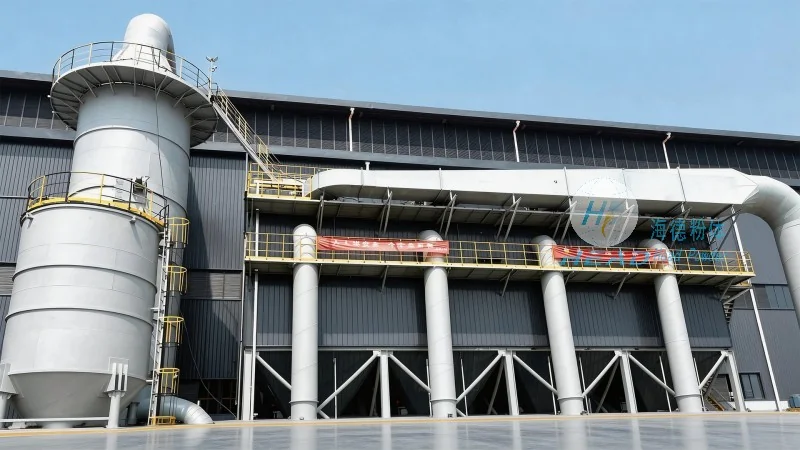
- Food and Beverage Industry: Handling of powders like flour, sugar, and spices, as well as granules such as coffee beans or tea leaves. The equipment ensures that the materials are handled hygienically and without contamination, meeting the strict standards of food processing.
- Chemical and Pharmaceutical Industry: Transfer of chemical powders, pharmaceutical ingredients, and other sensitive materials. The sealed and dust-free operation prevents cross-contamination and ensures that the materials remain pure and free from external particles.
- Mining and Minerals Industry: Handling of bulk minerals, ores, and other raw materials. The robust design of the equipment can withstand the harsh conditions and abrasive materials commonly found in mining operations.
- Plastics and Rubber Industry: Conveying of plastic pellets, rubber powders, and other bulk materials used in manufacturing processes. The efficient transfer helps to maintain consistent material quality and reduce downtime in production lines.
Conclusion
Bulk bag unloading pneumatic conveying machines represent a significant advancement in material handling technology, offering a reliable and efficient solution for industries dealing with bulk materials. By understanding the working principle and key features of these systems, businesses can make informed decisions about implementing such equipment to enhance their operational efficiency, improve safety, and reduce costs. As the demand for efficient material handling continues to grow, the role of these machines in modern industrial operations is likely to become even more critical.