With more than 10‑year industry experience, Shandong Headpowder delivers full‑service pneumatic‑conveying systems and blowers, undertaking nationwide turn‑key powder‑handling projects.
Smoke ash handling represents one of the most critical operational challenges in industrial environments, particularly within power generation, cement production, and large-scale manufacturing facilities. The material, often characterized by its fine particulate nature, variable moisture content, and tendency to cake, requires a specialized approach to ensure efficient and safe transport from collection points to disposal or processing units. Selecting the correct method for smoke ash transport is not merely a logistical decision but a pivotal factor in maintaining plant hygiene, ensuring worker safety, and optimizing overall production efficiency. This article explores the various smoke ash conveying methods, with a specific focus on advanced air-powered solutions offered by industry experts.
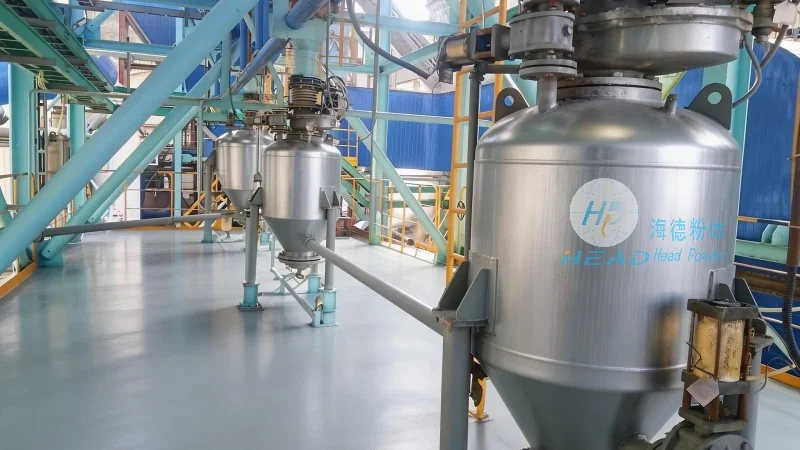
Before diving into the technical aspects of conveying systems, it is essential to understand the inherent difficulties associated with smoke ash. Unlike granular solids that flow freely, smoke ash often possesses a high angle of repose, meaning it tends to form piles and blockages rather than flowing smoothly through chutes. Furthermore, the fine dust particles can easily become airborne, posing significant health risks to personnel and creating environmental hazards. Traditional mechanical methods, such as screw conveyors or belt conveyors, often struggle with these characteristics, leading to blockages, excessive wear on mechanical components, and the potential for dust leakage into the surrounding environment.
Historically, industrial facilities have relied on mechanical conveying systems to transport smoke ash. These typically include screw conveyors, which use a rotating helical screw to move material along a trough, and belt conveyors, which utilize a moving belt to transport bulk solids. While these methods are well-established, they are not without significant drawbacks. Mechanical systems are prone to mechanical failure due to the abrasive nature of ash, require regular lubrication and maintenance, and often necessitate the use of seals to prevent dust escape. Consequently, the industry has increasingly turned toward pneumatic conveying technologies that offer a cleaner, more reliable alternative.
Among the various options available, smoke ash air conveying has emerged as the preferred solution for modern industrial applications. This method utilizes a stream of pressurized air to transport the material through a fully enclosed pipeline system. By eliminating the need for moving mechanical parts inside the transport stream, air-powered systems significantly reduce the risk of blockages and dust emissions. The process involves feeding the smoke ash into a pressure vessel or a feed tank, where it is mixed with high-velocity air and propelled through the pipeline to the destination point.
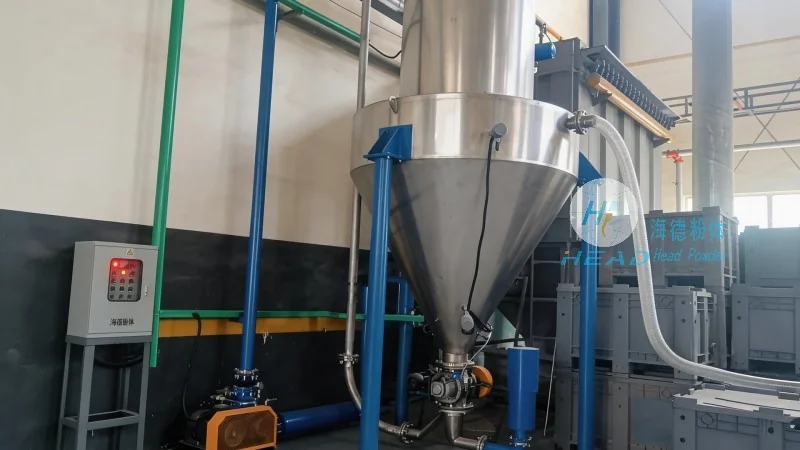
To fully appreciate the sophistication of smoke ash air conveying, one must understand the two primary operational phases: dilute phase and dense phase conveying. Dilute phase conveying operates at high velocities, typically above 15 meters per second. While effective for short distances, the high velocity can cause excessive wear on the pipeline walls and the material itself, potentially crushing the ash particles. In contrast, dense phase conveying utilizes low velocities and high pressures to push the material in a plug-like state. This method is ideal for smoke ash as it minimizes particle degradation, reduces wear on the system, and consumes less energy, making it a highly efficient choice for smoke ash air conveying.
The adoption of pneumatic conveying systems offers a multitude of benefits that directly address the limitations of mechanical alternatives. The primary advantage is the completely enclosed nature of the system, which ensures zero dust leakage. This containment is crucial for maintaining a clean working environment and complying with stringent environmental regulations regarding particulate emissions. Additionally, because there are no moving parts inside the pipeline, the system requires very little maintenance. The only wear occurs at the inlet and outlet valves, which can be easily replaced, resulting in lower long-term operational costs.
When seeking a reliable partner for industrial material handling, it is vital to choose a company with a proven track record in engineering and customization. Shandong Headpowder Engineering Co., Ltd. stands at the forefront of this technology, specializing in the design and manufacture of advanced conveying equipment. Based in Shandong, China, the company has developed a reputation for delivering robust and efficient systems tailored to the specific needs of their clients. Their expertise spans the entire spectrum of bulk material handling, ensuring that every project is approached with a focus on durability and performance.
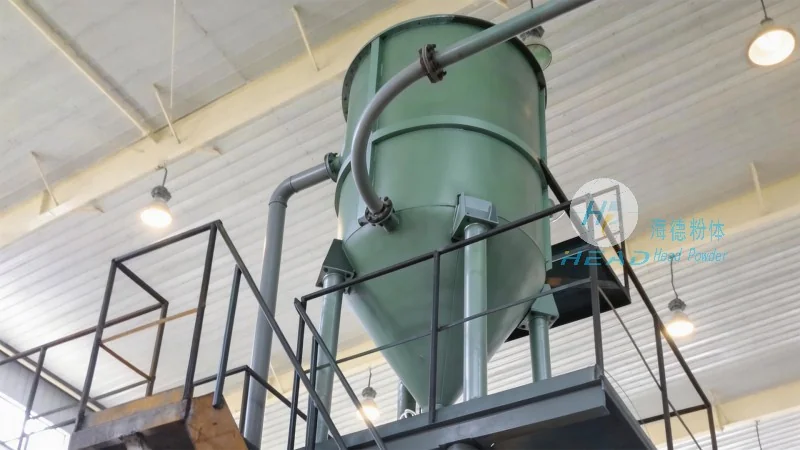
No two industrial facilities are exactly alike, and a one-size-fits-all approach rarely works for smoke ash handling. Shandong Headpowder Engineering Co., Ltd. prides itself on its ability to provide customized solutions. Whether the requirement is to transport ash from a boiler to a storage silo or to transfer ash between multiple processing units, their engineering team designs systems that optimize flow rates, minimize pressure drops, and ensure seamless integration with existing plant infrastructure. Their commitment to quality ensures that every system they deliver is built to withstand the harsh conditions often associated with smoke ash transport.
A professionally engineered smoke ash conveying system consists of several critical components working in harmony. These include the air supply system, which provides the necessary pressure; the feeding system, which introduces the material into the pipeline; the conveying pipeline, which transports the ash; and the separation and cleaning system, which removes the ash from the air and returns the clean air to the atmosphere. Shandong Headpowder Engineering Co., Ltd. ensures that each of these components is selected and integrated with precision, maximizing the efficiency of the overall smoke ash air conveying process.
Operational efficiency is the ultimate goal of any material handling system. The pneumatic conveying systems provided by Shandong Headpowder Engineering Co., Ltd. are designed for longevity and ease of maintenance. By utilizing wear-resistant materials and optimized air-to-material ratios, these systems minimize downtime. Regular maintenance schedules are straightforward, focusing primarily on the inspection of valves and filters. This reliability allows plant managers to focus on production rather than troubleshooting mechanical issues, ensuring a steady and uninterrupted workflow.
The versatility of air-powered conveying makes it suitable for a wide range of application scenarios. It is extensively used in thermal power plants to transport fly ash from electrostatic precipitators to ash storage silos. It is also utilized in chemical plants and cement factories where the handling of fine, corrosive, or abrasive powders is a daily necessity. Regardless of the specific industry, the principles of efficient smoke ash conveying remain the same: safety, cleanliness, and reliability.
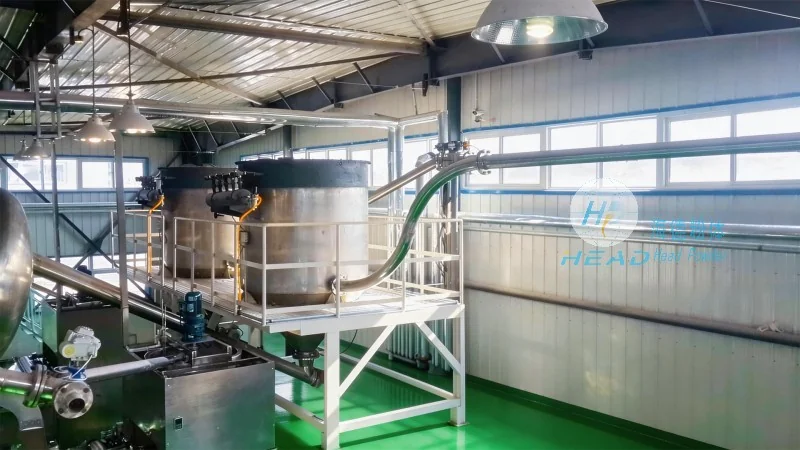
Investing in a professional industrial material handling solution is a strategic decision that impacts the bottom line. By utilizing a system designed by experts like Shandong Headpowder Engineering Co., Ltd., companies can reduce labor costs associated with manual ash handling, minimize the risk of workplace accidents caused by dust inhalation, and prevent environmental fines. The transition to a pneumatic system represents a modernization of the facility, signaling a commitment to safety and operational excellence.
Effective smoke ash handling is a complex engineering challenge that requires the right technology and the right partner. While traditional methods have their place, the advantages of air-powered systems make them the superior choice for modern industrial needs. With its focus on innovation, quality, and customer satisfaction, Shandong Headpowder Engineering Co., Ltd. provides the expertise necessary to implement a state-of-the-art smoke ash air conveying system. For facilities looking to upgrade their material handling capabilities, the solution lies in pneumatic technology, designed and delivered by industry leaders.
For those interested in implementing a reliable smoke ash conveying solution, direct consultation with the engineering team is recommended. You can reach out to Zhang Manager at Shandong Headpowder Engineering Co., Ltd. for detailed technical advice and quotes. To facilitate quick communication and project discussions, you may also connect via WeChat at 15662777102. Ensuring you have the right partner for your smoke ash air conveying needs is the first step toward a more efficient and safe industrial operation.

 Shandong Headpowder Engineering Co., Ltd.
 156-6277-7102(Manager Zhang)
  0531-83386006
  Zhangqiu District, Jinan City, Shandong Province, China
telephone
WeChatconsult
top