

What is a Calcium Oxide Dry Powder Material Pneumatic Conveying System? And What Are Its Design Prin
This section introduces the concept of a pneumatic conveying system specifically designed for transporting calcium oxide dry powder. Calcium oxide, commonly known as quicklime, is a widely used industrial material in various sectors such as construction, chemical manufacturing, and environmental treatment. Traditional methods of handling and transporting this material often involve manual labor, which can be inefficient, unsafe, and costly. A pneumatic conveying system offers a more automated and effective solution to address these challenges.
Components and Working Principle of the System
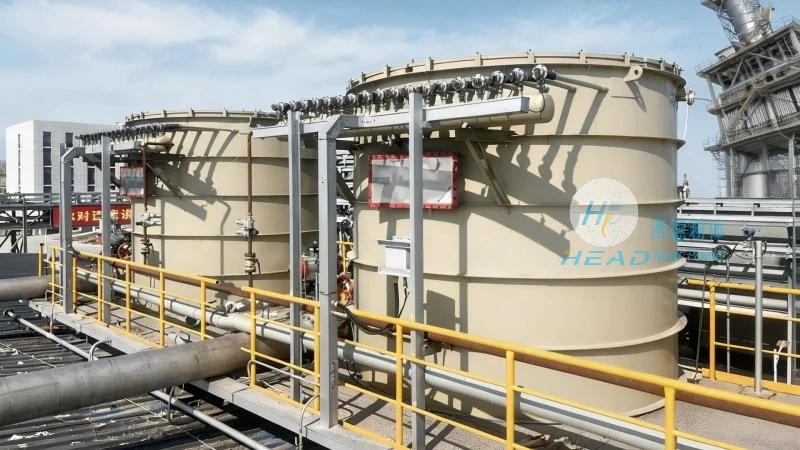
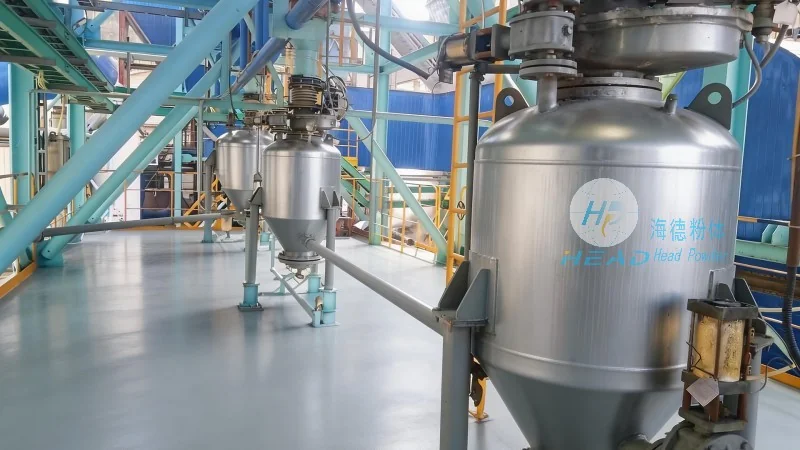
The pneumatic conveying system for calcium oxide dry powder typically consists of several key components, including a hopper for material storage, a feeder to control the flow rate, a conveying line (often made of metal or flexible tubing), a blower or air compressor to generate the necessary air pressure, and a receiver for the discharged material. The working principle involves feeding the dry powder from the hopper into the conveying line through the feeder. The blower then introduces high-pressure air into the line, which carries the powder particles forward in a suspended state. The material is transported to the receiver, where the air is filtered and the powder is collected. This process eliminates the need for mechanical components like belts or buckets, reducing maintenance and operational costs.
Design Principles and Considerations for the System
Designing an efficient pneumatic conveying system for calcium oxide requires careful consideration of several factors. First, the material's physical properties, such as particle size, density, and moisture content, are critical. Calcium oxide particles are often fine and can be prone to agglomeration, which may affect the conveying efficiency. Therefore, the system design must include features like agitators or vibrators to prevent blockages and ensure smooth flow. Second, the air pressure and flow rate must be optimized to maintain the powder in a suspended state without causing excessive wear on the system components. The conveying line diameter and length are also important factors, as they directly impact the system's capacity and energy consumption. Additionally, the system must be designed to handle potential dust emissions, incorporating filtration and ventilation systems to comply with environmental regulations.
Application Scenarios and Benefits
The calcium oxide dry powder pneumatic conveying system is widely used in various industrial applications. In the construction industry, it is used to transport quicklime for mortar and concrete production, improving the quality and consistency of the final products. In chemical manufacturing, it facilitates the handling of lime in processes like water treatment and flue gas desulfurization. The benefits of this system include increased operational efficiency, reduced labor costs, and enhanced safety by minimizing manual handling of the material. Furthermore, the system's ability to handle fine powders without clogging makes it suitable for applications where traditional conveying methods are impractical.
Company Profile: Shandong HeadPowder Engineering Co., Ltd.
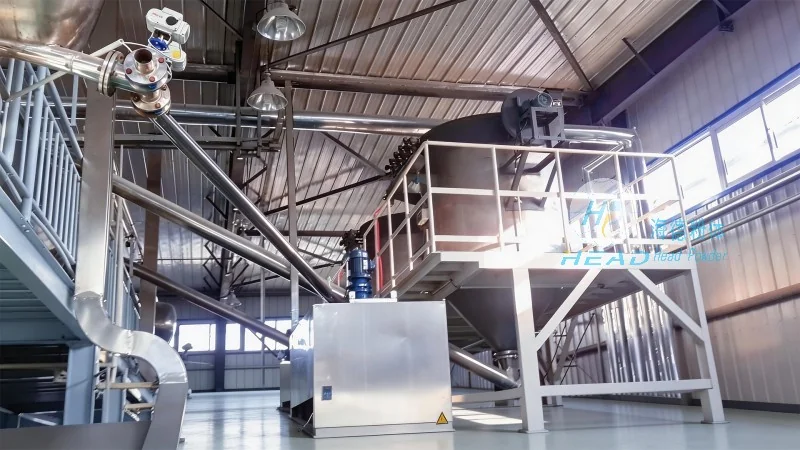
Shandong HeadPowder Engineering Co., Ltd., commonly known as HeadPowder, is a leading manufacturer and supplier of industrial conveying systems. With a focus on innovation and quality, the company specializes in designing and manufacturing pneumatic conveying systems tailored to the specific needs of various industries. HeadPowder's expertise in material handling technology ensures that their products are reliable, efficient, and cost-effective. The company's facilities are located in Shandong, China, where they leverage advanced manufacturing processes and a skilled workforce to deliver high-quality solutions to clients worldwide. By combining technical expertise with a customer-centric approach, HeadPowder has established itself as a trusted partner in the field of industrial material handling.