

What is Coffee Bean Material Pneumatic Conveying Equipment? What are its Design Principles?
For coffee processing facilities, the efficient and reliable transportation of coffee beans is a critical operation. Pneumatic conveying systems have emerged as a preferred solution for handling coffee beans due to their ability to transport materials in a closed system, minimizing contamination and dust exposure. This article explores the concept of coffee bean material pneumatic conveying equipment and delves into the fundamental design principles that underpin its functionality.
Coffee Bean Material Pneumatic Conveying Equipment: An Overview
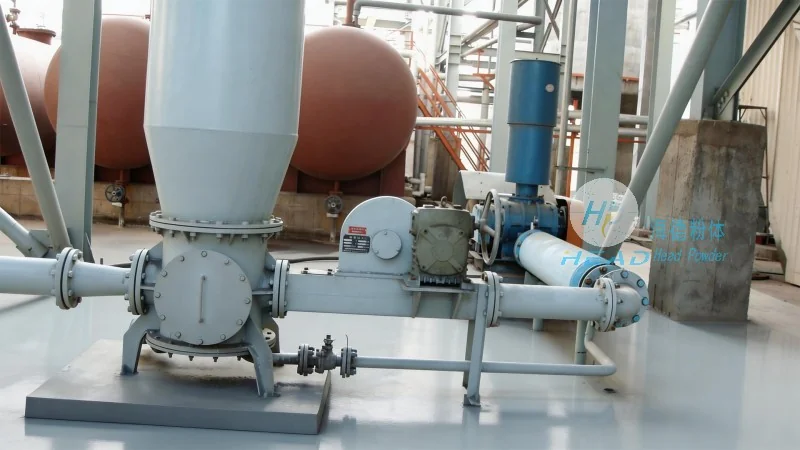
Coffee bean material pneumatic conveying equipment is a specialized system designed to transport coffee beans from one location to another within a processing plant. Unlike traditional mechanical conveyors, which rely on gravity or mechanical components like belts and buckets, pneumatic conveyors use compressed air to move the material. This method offers several advantages, including the ability to handle fragile or delicate coffee beans without causing damage, and the flexibility to transport materials over long distances or around obstacles.
The Core Components of Pneumatic Conveying Systems
At the heart of any pneumatic conveying system are several key components that work in tandem to ensure efficient material transport. The primary components include the air compressor, which generates the necessary pressure to move the coffee beans; the hopper or feeder, which holds the coffee beans and feeds them into the system; the conveying line, which is typically made of stainless steel or other corrosion-resistant materials to withstand the acidic nature of coffee beans; and the discharge point, where the coffee beans are released at the destination.
Design Principles for Efficient Coffee Bean Transport
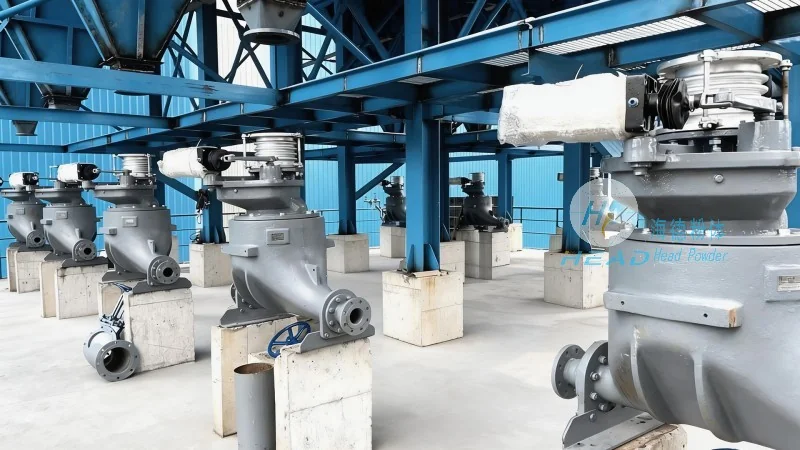
The design of a coffee bean pneumatic conveying system is governed by several key principles aimed at optimizing performance and ensuring the quality of the coffee beans. One of the most critical principles is maintaining a consistent air velocity within the conveying line. This velocity must be high enough to overcome the resistance of the coffee beans and the friction within the system, but not so high as to cause excessive wear on the equipment or damage to the beans. The system must also be designed to handle the specific characteristics of coffee beans, such as their size, shape, and density, to ensure smooth and continuous operation.
Advantages of Using Pneumatic Conveying for Coffee Beans
Implementing a pneumatic conveying system for coffee beans offers numerous benefits that enhance the overall efficiency and quality of the processing operation. By using a closed system, the risk of contamination from external sources is significantly reduced, which is crucial for maintaining the high standards of coffee quality. Additionally, pneumatic conveyors can handle a wide range of coffee bean types and sizes, making them versatile for different processing needs. The system also minimizes dust and debris, improving workplace safety and reducing the need for extensive cleaning procedures.
Applications in Coffee Processing Facilities
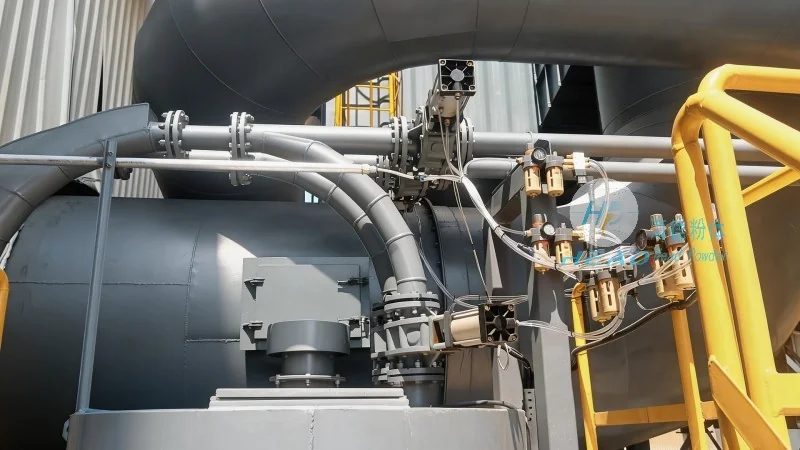
Coffee bean material pneumatic conveying equipment is widely used in various stages of coffee processing. It is commonly employed to transport raw coffee beans from storage silos to roasting machines, from roasters to cooling and packaging areas, and even for transferring finished coffee products to storage or shipping containers. The flexibility of pneumatic conveyors allows them to be integrated into existing processing lines with minimal disruption, making them a practical choice for both new and existing coffee processing facilities.
Conclusion: The Importance of Proper Design and Implementation
In conclusion, coffee bean material pneumatic conveying equipment is a vital component of modern coffee processing operations. Its design principles, which prioritize efficiency, reliability, and product quality, make it an ideal solution for transporting coffee beans. By understanding the core components and design considerations of these systems, coffee processing facilities can optimize their operations and ensure the consistent production of high-quality coffee products. As the demand for coffee continues to grow, the importance of efficient material handling systems like pneumatic conveyors will only increase, making them a key investment for any coffee processing business.