

What is a Magnesium Silicate Material Pneumatic Conveying Equipment? What Are Its Design Principles?
For industries dealing with magnesium silicate materials, selecting the right conveying equipment is crucial for efficiency and safety. This article explores the concept of a magnesium silicate material pneumatic conveying equipment and its underlying design principles, providing insights into how such systems are engineered to handle these specific materials effectively.
Introduction to Magnesium Silicate Material Pneumatic Conveying Equipment
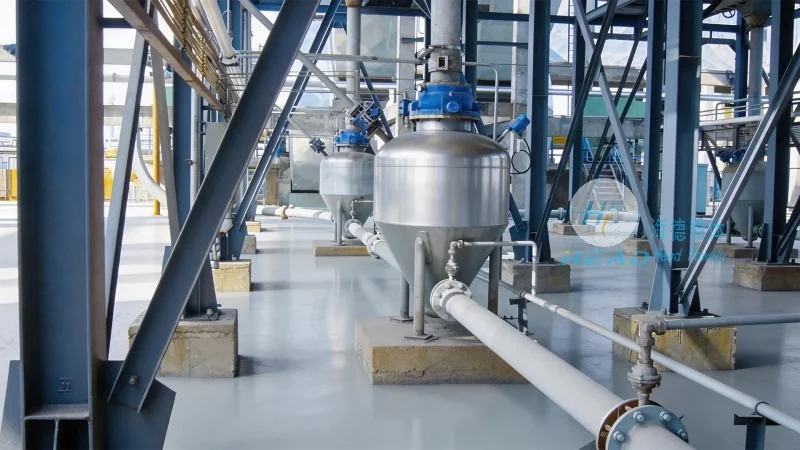
A magnesium silicate material pneumatic conveying equipment is a specialized system designed to transport magnesium silicate powders or granules through a pipeline using air or other gas as the conveying medium. This technology is widely used in industries such as construction, chemical manufacturing, and mineral processing, where the handling of fine or dusty materials requires a reliable and efficient method. The equipment typically consists of a hopper, a blower or compressor, a pipeline system, and a receiver, all working together to move the material from the source to the destination.
Design Principles of Magnesium Silicate Pneumatic Conveying Systems
The design of a magnesium silicate material pneumatic conveying equipment is based on several key principles to ensure optimal performance and material handling. First, the system must consider the physical properties of magnesium silicate, including its particle size, density, and flowability. These properties influence the selection of the conveying velocity, pipeline diameter, and the type of air flow (e.g., dilute phase or dense phase). For magnesium silicate, which often has fine particles that can cause clogging or dust issues, the design must incorporate features to prevent blockages and maintain consistent flow.
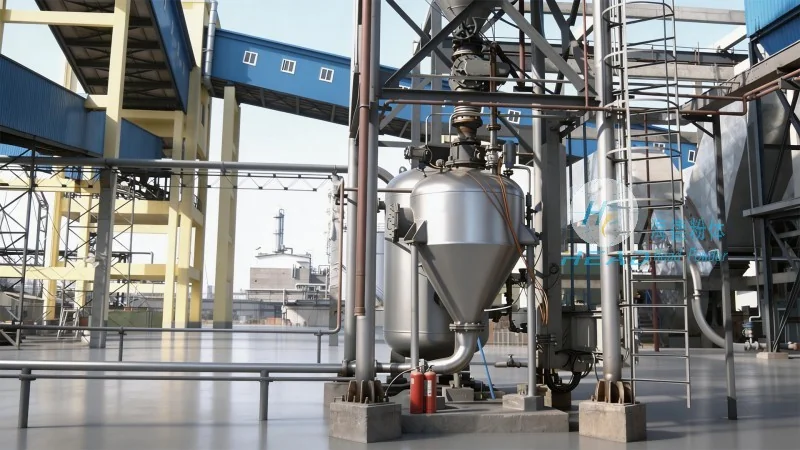
Second, the system must address the challenges of handling dusty materials. Magnesium silicate powders are prone to generating dust, which can affect the performance of the equipment and pose health risks. Therefore, the design includes dust collection and filtration systems to ensure that the air leaving the system is clean and that the material is contained within the pipeline. Additionally, the equipment may use special materials for the hopper and pipeline to prevent corrosion or wear from the abrasive nature of the magnesium silicate particles.
Key Components and Their Functions
The core components of a magnesium silicate material pneumatic conveying system include the material hopper, the air supply unit (blower or compressor), the pipeline network, and the receiving vessel. The hopper is designed to store the magnesium silicate material and feed it into the system at a controlled rate. It often features a discharge valve or a rotary valve to regulate the material flow. The air supply unit generates the necessary pressure or vacuum to move the material through the pipeline. The pipeline system is typically made of materials like stainless steel or PVC to withstand the abrasive nature of the magnesium silicate particles and to prevent corrosion. The receiving vessel collects the material at the end of the conveying line and may include a dust collection system to capture any particles that escape.
Application and Operational Considerations
Magnesium silicate material pneumatic conveying equipment is commonly used in applications such as the transportation of magnesium silicate from storage silos to processing plants, the delivery of raw materials to production lines, and the transfer of finished products to packaging areas. The system's design must be tailored to the specific application, considering factors like the distance of the conveying line, the volume of material to be transported, and the required speed of delivery. Operational considerations also include the maintenance of the equipment, as regular cleaning and inspection of the pipeline and hopper are necessary to prevent clogging and ensure long-term performance.
Advantages of Using Pneumatic Conveying for Magnesium Silicate
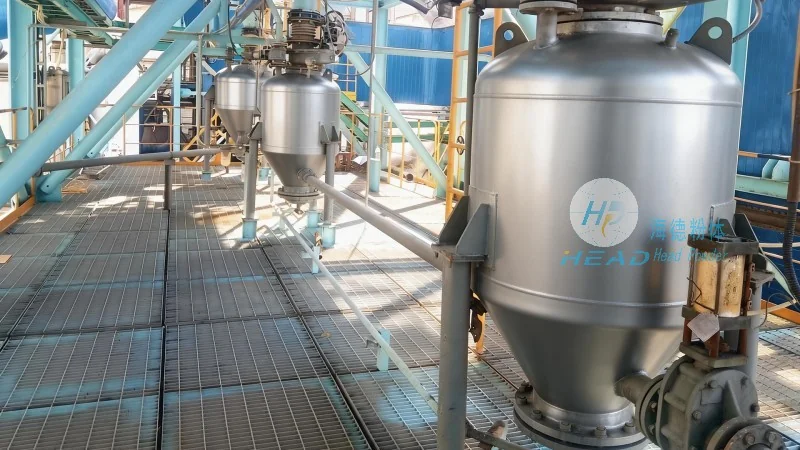
Compared to traditional conveying methods like belt conveyors or bucket elevators, pneumatic conveying offers several advantages for handling magnesium silicate materials. First, it provides a dust-free environment, which is crucial for maintaining a safe working area and preventing product contamination. Second, the system can handle materials with varying particle sizes and flow properties, making it versatile for different applications. Third, the equipment is relatively compact and can be installed in confined spaces, which is beneficial for facilities with limited floor space. Additionally, pneumatic conveying systems can be easily integrated with other processing equipment, allowing for a seamless flow of materials through the production line.
Conclusion
In summary, a magnesium silicate material pneumatic conveying equipment is a sophisticated system designed to efficiently and safely transport magnesium silicate materials. Its design is based on principles that address the unique properties of the material, including its fine particle size and abrasive nature. By incorporating features such as dust collection, corrosion-resistant materials, and controlled air flow, the system ensures reliable operation and minimal maintenance. For industries dealing with magnesium silicate, this equipment is an essential tool for optimizing material handling and improving overall production efficiency.