

What is Corn Kernels Material Pneumatic Conveying? What Are the Design Principles?
Pneumatic conveying systems are widely used in the agricultural and food processing industries for transporting bulk materials like corn kernels efficiently and safely. These systems utilize air or gas to move materials through a pipeline network, eliminating the need for mechanical components such as belts or buckets. For corn kernels, which are a critical raw material in many food products, the design of a pneumatic conveying system is crucial to ensure minimal damage, consistent flow, and optimal performance. This article explores the fundamental concepts of corn kernels material pneumatic conveying and the key design principles that underpin such systems.
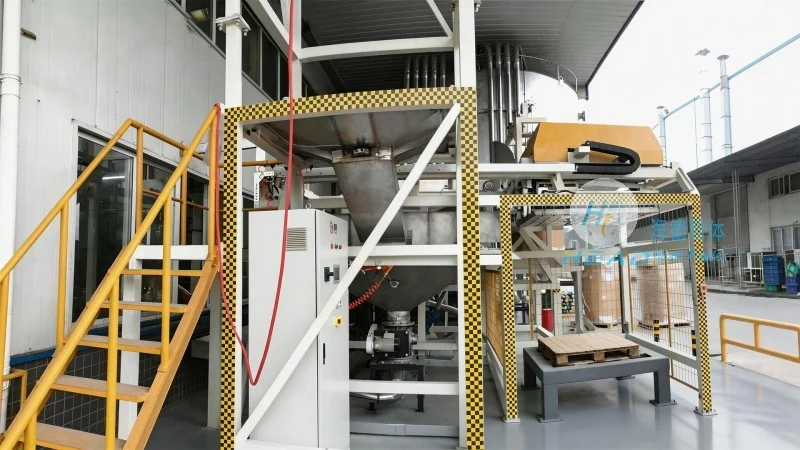
Understanding Pneumatic Conveying for Corn Kernels
Corn kernels are relatively light and have a specific density and shape that influence how they behave in a pneumatic conveying system. Unlike heavier or more abrasive materials, corn kernels require a system that can handle their delicate nature while maintaining high throughput. The primary goal of a corn kernels pneumatic conveying system is to transport the kernels from a storage silo or hopper to a processing unit, such as a dryer or milling machine, without causing breakage or contamination. This process involves several key steps, including material feeding, air induction, and transport through the pipeline.
Design Principles of Corn Kernels Material Pneumatic Conveying
The design of a corn kernels pneumatic conveying system is based on several critical principles to ensure efficiency and reliability. The first principle is the selection of the appropriate conveying velocity, which determines the air velocity required to move the kernels through the pipeline. For corn kernels, the conveying velocity is typically lower than for more dense materials to prevent kernel damage. The second principle is the use of a positive displacement or negative pressure system, depending on the application. Positive displacement systems use a pump to push the material through the pipeline, while negative pressure systems use a vacuum to draw the material in. The choice between these systems depends on factors such as the distance to be covered and the material's characteristics.
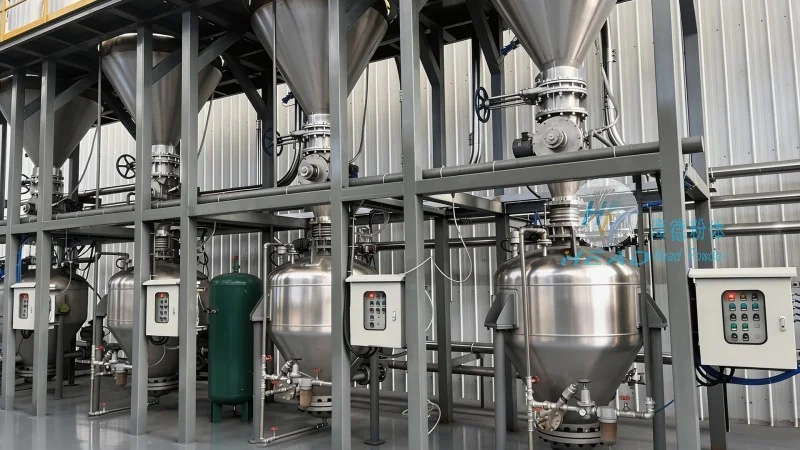
Key Components and Their Functions
A corn kernels pneumatic conveying system consists of several key components, each playing a vital role in the overall operation. The first component is the hopper or silo, which stores the corn kernels and feeds them into the system. The hopper is designed with a smooth interior to prevent material buildup and ensure consistent flow. The second component is the feeder, which controls the rate at which the kernels are introduced into the system. The feeder can be a rotary valve or a screw feeder, depending on the system's requirements. The third component is the air induction unit, which supplies the air or gas needed to move the kernels. This unit can be a blower or a vacuum pump, depending on the system's design. The fourth component is the pipeline, which transports the kernels from the feeder to the processing unit. The pipeline is typically made of stainless steel or plastic to prevent corrosion and contamination. The fifth component is the control system, which monitors and adjusts the system's operation to ensure optimal performance.
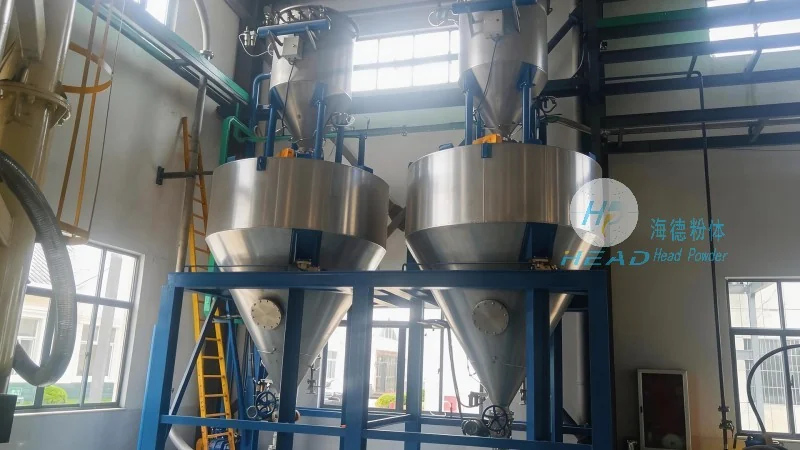
Application Scenarios and Benefits
Corn kernels pneumatic conveying systems are used in a variety of applications, including drying, milling, and packaging. In the drying process, the system transports the kernels from the storage silo to the dryer, where they are heated to remove moisture. In the milling process, the system transports the kernels to the milling machine, where they are ground into flour or other products. In the packaging process, the system transports the kernels to the packaging machine, where they are sealed in bags or containers. The benefits of using a corn kernels pneumatic conveying system include increased efficiency, reduced labor costs, and improved product quality. The system can also be designed to handle large volumes of material, making it suitable for large-scale operations.
HeadPowder's Expertise in Corn Kernels Pneumatic Conveying Solutions
Shandong HeadPowder Engineering Co., Ltd. (HeadPowder) is a leading provider of corn kernels pneumatic conveying systems. With years of experience in the industry, HeadPowder has developed a range of systems tailored to the specific needs of corn processing facilities. The company's expertise lies in the design and manufacturing of high-quality components, such as hoppers, feeders, and air induction units, which are essential for the efficient operation of a pneumatic conveying system. HeadPowder's systems are designed to meet the strictest industry standards, ensuring that they are safe, reliable, and durable. The company also provides comprehensive support services, including installation, maintenance, and training, to ensure that its customers get the most out of their investment. HeadPowder's commitment to quality and customer satisfaction has made it a trusted partner for many corn processing facilities around the world.