With more than 10‑year industry experience, Shandong Headpowder delivers full‑service pneumatic‑conveying systems and blowers, undertaking nationwide turn‑key powder‑handling projects.
Aluminum oxide, commonly known as alumina, is a critical material in various industrial applications, including ceramics, refractories, and chemical processes. The efficient and reliable transport of this material from one location to another is essential for maintaining production efficiency and minimizing operational costs. Pneumatic conveying systems offer a solution to this challenge by utilizing air or other gases to move the material through a pipeline network. This method is particularly advantageous for handling fine powders like aluminum oxide, which can be difficult to transport using traditional methods such as belt conveyors or bucket elevators.
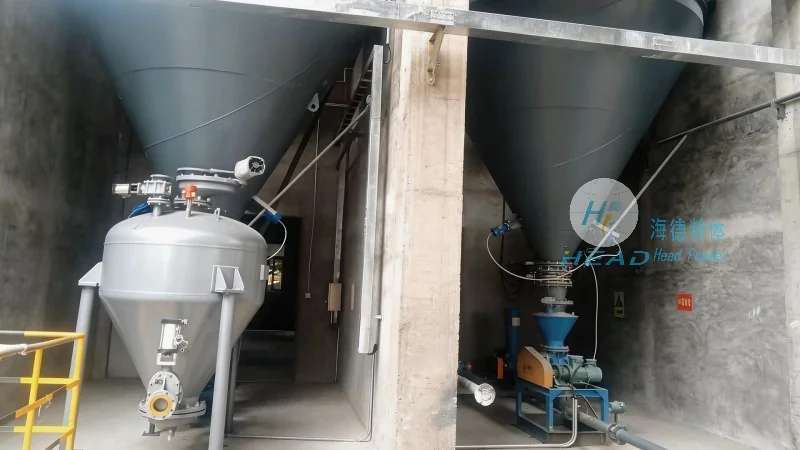
The design of a pneumatic conveying system for aluminum oxide material involves several key principles that ensure optimal performance and safety. First, the system must be tailored to the specific properties of the material, including its particle size, density, and flow characteristics. Aluminum oxide particles are typically fine and can be abrasive, which means the system components must be constructed from materials that can withstand wear and corrosion. Stainless steel or special alloys are often used for the conveying lines and valves to prevent material degradation and equipment damage.
Second, the system must consider the air flow rate and pressure requirements. The air velocity must be sufficient to lift and transport the particles but not so high that it causes excessive pressure drops or energy consumption. The design typically involves a balance between the air volume and the material feed rate to maintain a stable and consistent flow. This balance is crucial for preventing blockages and ensuring smooth operation.
Third, the system must incorporate proper separation and collection mechanisms. After the material is conveyed to its destination, it needs to be separated from the air stream. This is often achieved through cyclones or filters, which capture the particles and return the air to the system or release it as exhaust. The design of these separation components is critical to maintaining the purity of the material and minimizing dust emissions.
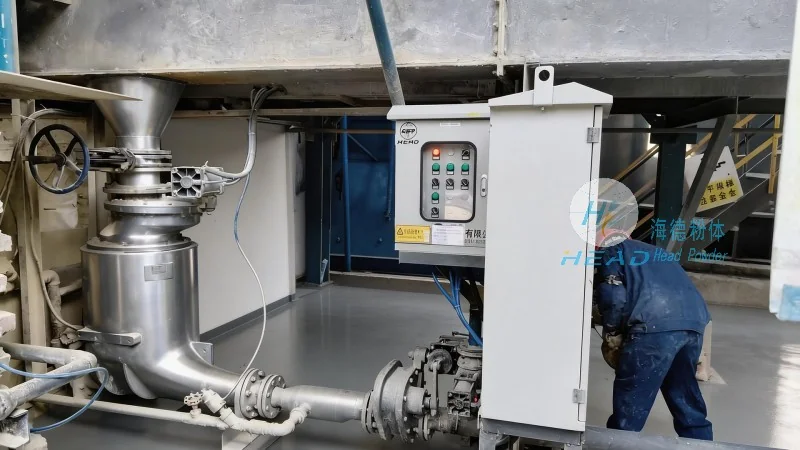
A pneumatic conveying system for aluminum oxide material consists of several key components, each playing a vital role in the overall operation. The primary components include the material feed hopper, the air supply system (such as a blower or compressor), the conveying line, and the separation or collection equipment. The feed hopper is designed to hold the aluminum oxide material and provide a controlled feed rate to the system. It often includes a feeder, such as a rotary valve or a screw feeder, to regulate the material flow into the conveying line.
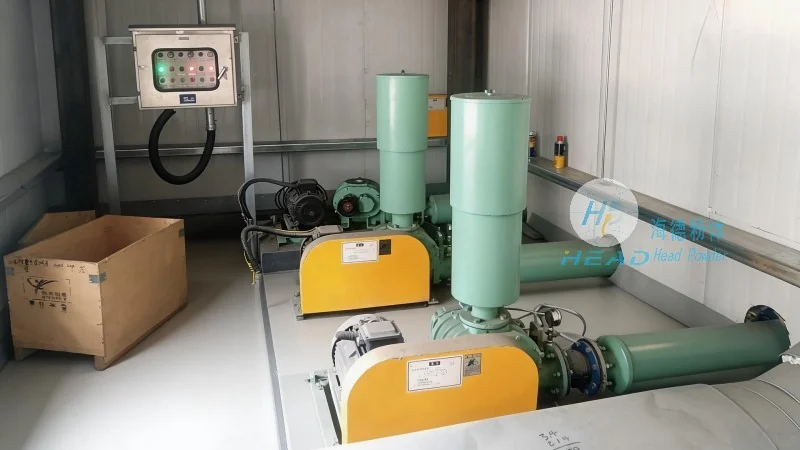
The air supply system provides the necessary pressure and volume of air to move the material. Blowers are commonly used for low-pressure systems, while compressors are used for high-pressure applications. The choice of equipment depends on the system's capacity and the distance the material needs to be conveyed. The conveying line is typically made of metal pipes, with bends and fittings that are designed to minimize pressure loss and prevent material buildup.
The separation equipment, such as cyclones or bag filters, is essential for recovering the aluminum oxide particles from the air stream. These components are designed to handle the fine particles and ensure that the material is collected efficiently without losing product quality. The system may also include additional components like silencers to reduce noise and check valves to prevent backflow.
Pneumatic conveying offers several advantages when transporting aluminum oxide material. One of the main benefits is the ability to handle fine powders without the need for mechanical contact, which reduces the risk of contamination and material degradation. The system is also flexible, allowing for changes in the conveying route or capacity without major modifications. Additionally, pneumatic conveying can be integrated with other processing equipment, such as mixers or reactors, to create a seamless production line.
However, there are also considerations to keep in mind when designing a pneumatic conveying system for aluminum oxide. The abrasive nature of the material can lead to wear on system components, requiring regular maintenance and replacement of parts. The system also requires careful control of air pressure and flow to prevent blockages or pressure spikes. Furthermore, the system must comply with safety regulations regarding dust explosion prevention, as aluminum oxide dust can be a fire hazard in certain conditions.
HeadPowder, a leading provider of material handling solutions, has extensive experience in designing pneumatic conveying systems for aluminum oxide applications. The company, based in Shandong, China, has successfully implemented systems for various industries, including ceramics manufacturing and chemical processing. For example, a client in the ceramics industry required a system to transport fine alumina powder from a storage silo to a production line. HeadPowder designed a low-pressure pneumatic conveying system that used a rotary valve feeder and a cyclone separator. The system was able to maintain a consistent flow rate of 2 tons per hour, with minimal pressure loss and low energy consumption.
Another application involved a chemical processing plant that needed to transport aluminum oxide from a grinding mill to a storage tank. The system was designed with a high-pressure blower and a series of straight and curved pipes to handle the long distance. The cyclone separator was equipped with a dust collection system to comply with environmental regulations. The result was a reliable and efficient system that reduced material handling costs by 30% and improved overall production efficiency.

 Shandong Headpowder Engineering Co., Ltd.
 156-6277-7102(Manager Zhang)
  0531-83386006
  Zhangqiu District, Jinan City, Shandong Province, China
telephone
WeChatconsult
top