

What is a Potash Powder Pneumatic Conveying Machine? And What Are Its Design Principles?
Understanding the technology behind potash powder pneumatic conveying machines is crucial for industries dealing with bulk solid materials, especially in the fertilizer sector. These specialized systems are designed to efficiently transport potassium-based fertilizers, ensuring minimal loss, high throughput, and operational safety. This article delves into the fundamental aspects of such equipment, focusing on its design principles and the role of manufacturers like Shandong HeadPowder Engineering Co., Ltd. from China.
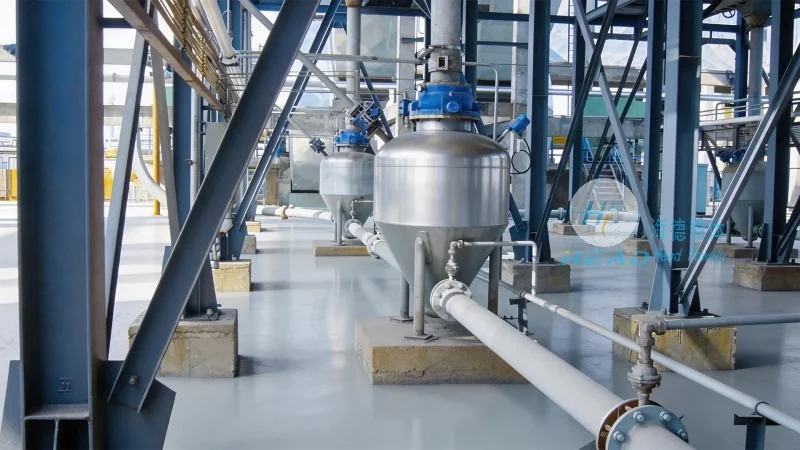
Introduction to Potash Powder Pneumatic Conveying Machines
Potash, a vital component in modern agriculture, is often delivered in powdered form. Conventional methods like belt conveyors or bucket elevators may suffer from material degradation, blockages, or high maintenance costs. Pneumatic conveying machines offer a solution by utilizing air to move powders through a closed system. This technology is particularly advantageous for handling fine, abrasive, or hygroscopic powders like potash, as it minimizes product contamination and reduces the risk of dust explosions.
Design Principles of the Pneumatic Conveying System
The core design principle of a potash powder pneumatic conveying machine revolves around the interaction between solid particles and a gas stream. The system typically operates under either positive pressure (where air is forced through the system) or negative pressure (where air is drawn out, creating a vacuum). The choice of pressure type depends on the material properties, distance to be conveyed, and the desired flow rate. Key design considerations include the velocity of the gas, the size and shape of the particles, and the diameter and length of the conveying pipes. Engineers must ensure that the gas velocity is sufficient to prevent particle settling but not so high as to cause excessive wear on components or energy waste.
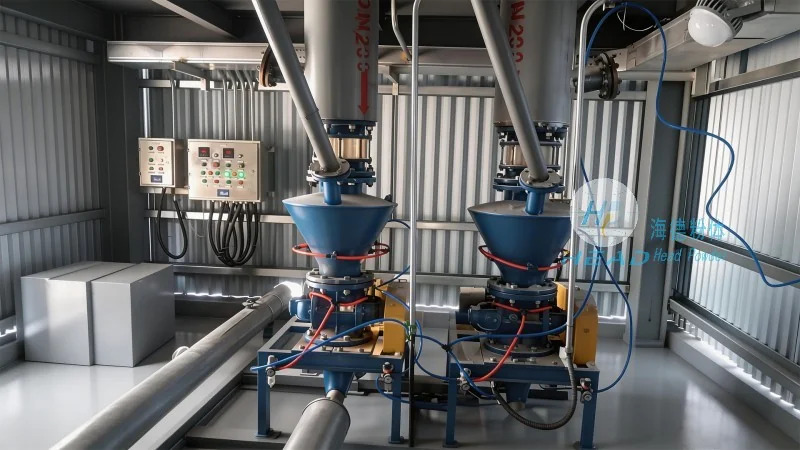
Key Components and Their Functions
A potash powder pneumatic conveying machine comprises several critical components, each playing a vital role in the overall operation. The primary components include the material feeder, which ensures a consistent and controlled flow of potash powder into the system; the air compressor or vacuum pump, which provides the necessary pressure or suction; the conveying pipes, which transport the powder-air mixture; the separation system, which separates the powder from the air at the destination; and the air filtration and recovery system, which cleans the exhaust air and recovers any lost material.
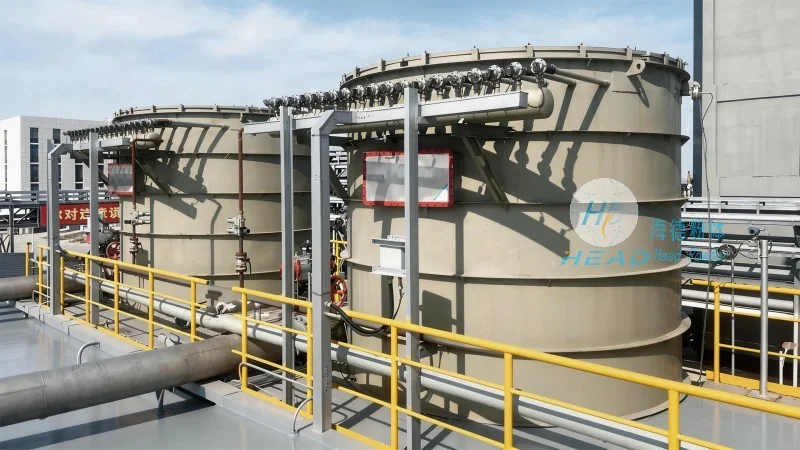
The Role of HeadPowder in Manufacturing Such Equipment
Shandong HeadPowder Engineering Co., Ltd., based in China, is a leading manufacturer specializing in pneumatic conveying solutions for various industries, including agriculture and chemical processing. With a focus on innovation and precision engineering, HeadPowder designs and produces potash powder pneumatic conveying machines tailored to the specific needs of fertilizer producers. The company’s facilities in Shandong are equipped with advanced manufacturing technologies and quality control measures to ensure that each machine meets international standards for efficiency, durability, and safety. By leveraging years of experience in the field, HeadPowder delivers reliable equipment that enhances productivity and reduces operational costs for its clients.
Technical Advantages and Practical Applications
Potash powder pneumatic conveying machines offer several technical advantages over traditional bulk handling methods. These include high conveying rates, which can significantly increase production throughput; reduced material degradation, as the enclosed system minimizes exposure to air and moisture; and improved safety, as the system is designed to prevent dust emissions and explosions. In practical applications, these machines are widely used in potash mines, fertilizer plants, and chemical processing facilities to transport potash from storage silos to processing units, or from production lines to packaging areas. The flexibility of pneumatic conveying also allows for vertical, horizontal, or mixed-direction transport, making it suitable for complex layouts and varying operational requirements.