

What is a Lithium Manganese Dioxide Powder Pneumatic Conveying System? And What Are Its Design Princ
Lithium manganese dioxide (LiMnO₂) is a critical component in modern battery technology, and the efficient handling of its powder form is essential for industrial applications. A pneumatic conveying system specifically designed for this material is a specialized piece of equipment that ensures safe and effective transport. This article explores the concept of a lithium manganese dioxide powder pneumatic conveying system and delves into its fundamental design principles, with a focus on the expertise of Shandong HeadPowder Engineering Co., Ltd., a leading manufacturer in the field.
Understanding the Role of Pneumatic Conveying in Powder Handling
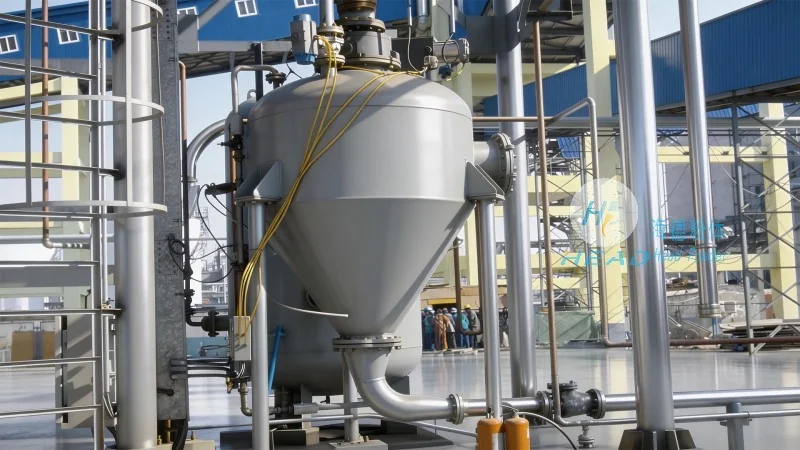
Conveying powders like lithium manganese dioxide requires specialized equipment to maintain material integrity and prevent contamination. Pneumatic conveying systems use air or other gases to transport dry materials through a pipeline. For lithium manganese dioxide, which is sensitive to moisture and physical degradation, the design of the system must prioritize minimal particle breakage and consistent flow. The system typically consists of a hopper, a feeder, a pipeline, and a receiver, all working in tandem to move the powder from one location to another. Shandong HeadPowder Engineering Co., Ltd. designs these systems to meet the specific needs of lithium manganese dioxide, ensuring that the material remains in its optimal state throughout the conveying process.
Key Design Principles for Lithium Manganese Dioxide Pneumatic Conveying
The design of a lithium manganese dioxide powder pneumatic conveying system is guided by several key principles to ensure optimal performance. First, the system must maintain a low pressure and velocity to avoid particle attrition, which could alter the material's properties. Second, the equipment must be constructed from materials that are compatible with the powder and resistant to corrosion, as lithium manganese dioxide can be reactive under certain conditions. Third, the system should incorporate features that prevent dust accumulation and ensure easy cleaning, as this material can be hazardous if inhaled or come into contact with skin. Fourth, the design must consider the specific flow characteristics of lithium manganese dioxide, as its particle size and density affect how it moves through the pipeline. Shandong HeadPowder Engineering Co., Ltd. applies these principles to create systems that are both efficient and safe for handling lithium manganese dioxide.
The Components of a Lithium Manganese Dioxide Pneumatic Conveying System
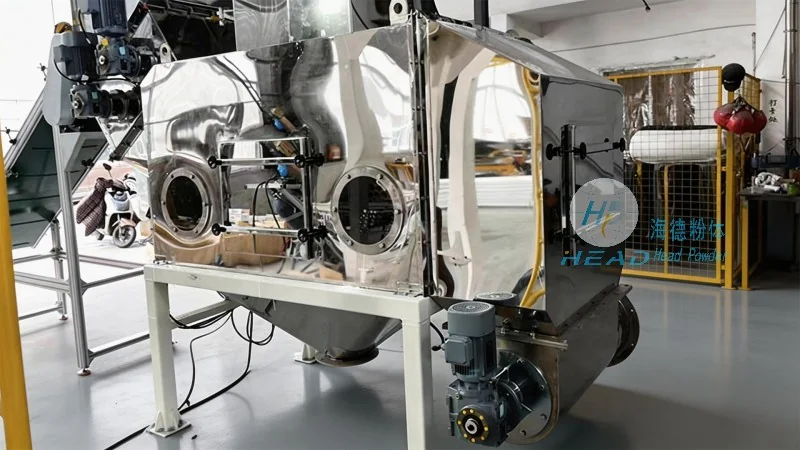
A typical lithium manganese dioxide powder pneumatic conveying system includes several components, each with a specific function. The hopper is the storage vessel where the powder is held before being fed into the system. It is designed to minimize material bridging and ensure a consistent flow of material to the feeder. The feeder, often a rotary valve or a screw feeder, controls the rate at which the powder is introduced into the pipeline. This control is crucial for maintaining stable pressure and preventing surges or blockages. The pipeline is the main conduit for transporting the powder, and its diameter and length are carefully selected based on the material's flow properties and the desired conveying distance. The receiver is the final container where the powder is deposited, and it is typically equipped with a dust collection system to capture any particles that may escape during the process. Shandong HeadPowder Engineering Co., Ltd. selects materials and configurations for these components to optimize performance and durability for lithium manganese dioxide.
Advantages of Using a Pneumatic Conveying System for Lithium Manganese Dioxide
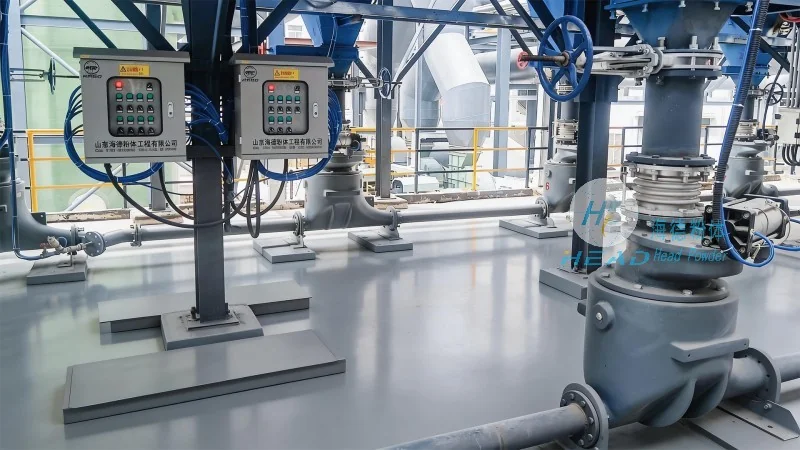
Implementing a pneumatic conveying system for lithium manganese dioxide offers several advantages over traditional methods like bucket elevators or belt conveyors. First, it eliminates the need for mechanical contact with the powder, reducing the risk of contamination and material degradation. This is particularly important for lithium manganese dioxide, which is sensitive to moisture and physical stress. Shandong HeadPowder Engineering Co., Ltd. has developed systems that incorporate advanced materials and design features to minimize these risks and ensure product integrity. Second, the system can handle long distances and multiple transfer points without the need for intermediate storage, making it suitable for large-scale industrial operations. Third, pneumatic conveying systems are generally more energy-efficient than other methods, as they use compressed air to move the material rather than relying on mechanical power. Fourth, the system can be easily integrated with other processes, such as mixing or packaging, to create a seamless production line. These advantages make pneumatic conveying an ideal solution for lithium manganese dioxide handling in various industrial applications.
Considerations for Designing a Safe and Efficient System
When designing a lithium manganese dioxide powder pneumatic conveying system, several safety and efficiency considerations must be addressed. First, the system must be equipped with proper dust control measures, as lithium manganese dioxide is a respiratory hazard. This includes dust collection systems and appropriate ventilation to keep the working environment safe. Shandong HeadPowder Engineering Co., Ltd. ensures that all systems include robust dust control features to comply with safety regulations and protect personnel. Second, the system should be designed to prevent the buildup of static electricity, as lithium manganese dioxide can be a fire hazard when it accumulates a charge. The company incorporates anti-static materials and grounding systems in its designs to mitigate this risk. Third, the equipment must be regularly maintained to ensure that all components are functioning correctly and that the system is operating within safe parameters. Shandong HeadPowder Engineering Co., Ltd. provides maintenance guidelines and support to help users keep their systems in optimal condition. Fourth, the system should be tested under various conditions to ensure that it can handle the expected flow rates and material characteristics without failure. The company conducts thorough testing and validation to guarantee the reliability of its systems before they are deployed.