

What is a Negative Electrode Material Powder Pneumatic Conveying System? Exploring Its Design Princi
For manufacturers and engineers working with lithium-ion battery materials, the efficient and reliable transport of negative electrode powders is a critical operational challenge. This is where negative electrode material powder pneumatic conveying systems come into play, offering a solution that enhances process efficiency, reduces material loss, and ensures consistent product quality. In this article, we delve into the core concepts of such systems and outline the fundamental design principles that underpin their operation.
Introduction to Negative Electrode Material Powder Pneumatic Conveying Systems
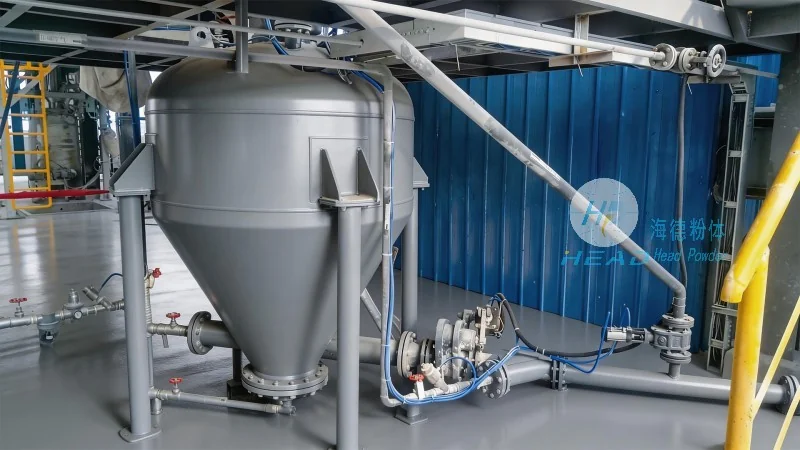
Before exploring the design principles, it's essential to understand what a negative electrode material powder pneumatic conveying system entails. These systems are engineered to transport fine powders, such as those used in lithium-ion battery negative electrodes, through a pipeline using pressurized air or other gas streams. The primary goal is to move these materials from one location to another without the need for mechanical components like belts or buckets, which can be prone to wear and contamination.
Key Components of a Pneumatic Conveying System
All pneumatic conveying systems, including those for negative electrode materials, consist of several core components that work in tandem to achieve efficient material transport. These components typically include a hopper or feeder to introduce the powder, a compressor or blower to generate the air flow, a pipeline network to direct the material and air, and a receiver or collection unit to deposit the material at its destination. Each component plays a vital role in maintaining the system's performance and ensuring the integrity of the transported powder.
Design Principles for Efficient Material Transport
The design of a negative electrode material powder pneumatic conveying system is guided by several key principles aimed at optimizing flow, minimizing pressure drop, and preventing material degradation. One of the most critical principles is maintaining a consistent air-to-solid ratio, which is the ratio of the volume of air to the volume of powder being conveyed. An optimal ratio ensures that the powder particles are fully suspended in the air stream, preventing settling or blockages in the pipeline. This ratio is typically determined through careful calculations based on the specific properties of the powder, such as particle size, density, and flowability.
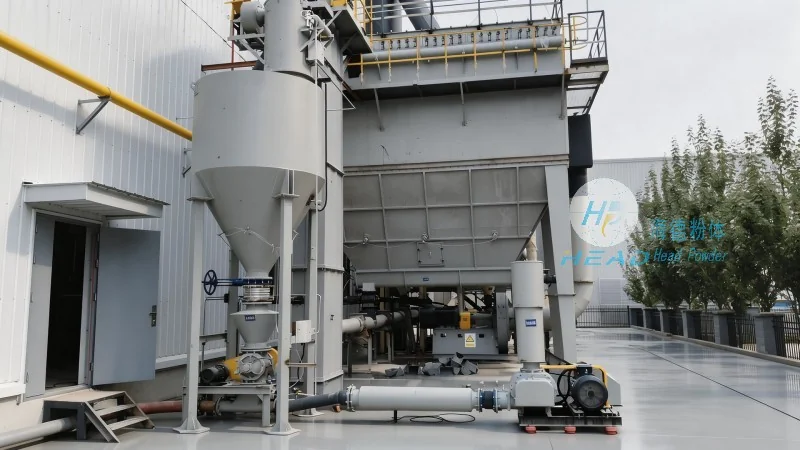
Another crucial design principle is the selection of the appropriate conveying method. There are two main types of pneumatic conveying systems: dilute-phase and dense-phase. Dilute-phase systems operate at higher air velocities, allowing for continuous, high-capacity transport of fine powders. Dense-phase systems, on the other hand, use lower air velocities and higher pressure to transport material in a more compact form, which is often preferred for materials that are prone to agglomeration or for applications requiring precise control over the material's deposition. The choice between these methods depends on the specific characteristics of the negative electrode powder and the operational requirements of the facility.
Role of HeadPowder in Design and Implementation
Shandong HeadPowder Engineering Co., Ltd., commonly known as HeadPowder, is a leading provider of specialized engineering solutions for powder handling and conveying systems. With years of experience in the battery materials industry, HeadPowder has developed expertise in designing and manufacturing negative electrode material powder pneumatic conveying systems tailored to the unique needs of clients. The company's engineers leverage advanced design principles and cutting-edge technology to create systems that not only meet but often exceed industry standards for efficiency, reliability, and safety.
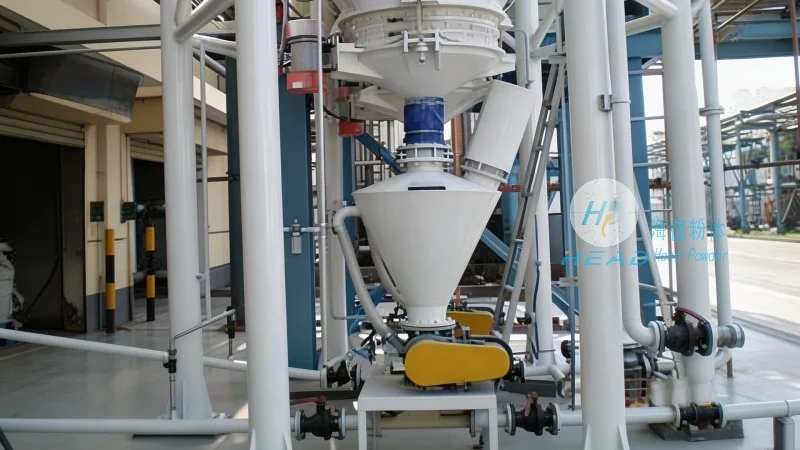
HeadPowder's approach to system design emphasizes a comprehensive understanding of the material's properties and the operational environment. By conducting thorough analyses of the powder's flow characteristics, particle size distribution, and moisture content, the company's engineers can optimize the system's components, such as the hopper design, air flow rate, and pipeline dimensions. This tailored approach ensures that the final system is not only efficient but also cost-effective and easy to maintain, providing long-term value to clients.
Ensuring System Performance and Reliability
Effective operation of a negative electrode material powder pneumatic conveying system relies on strict adherence to design principles and regular maintenance. Key factors that impact system performance include maintaining consistent air pressure, monitoring for any signs of blockages or pressure drops, and ensuring that all components are properly sealed to prevent dust leakage or contamination. HeadPowder provides comprehensive support to clients, including system installation, commissioning, and ongoing maintenance services, to ensure that their pneumatic conveying systems operate at peak performance throughout their service life.
Conclusion: The Importance of Design Principles in Pneumatic Conveying
In conclusion, negative electrode material powder pneumatic conveying systems are sophisticated solutions that rely on well-defined design principles to achieve efficient and reliable material transport. From maintaining optimal air-to-solid ratios to selecting the appropriate conveying method, each aspect of the system's design contributes to its overall effectiveness. Companies like Shandong HeadPowder Engineering Co., Ltd. play a vital role in translating these principles into practical, high-performance systems that support the production of high-quality battery materials. By understanding and applying these design principles, manufacturers can enhance their operational efficiency, reduce costs, and ensure the consistent delivery of superior products.