

What is a Phosphorus Pentachloride Powder Pneumatic Conveying System? What are its Design Principles
Phosphorus pentachloride (PCl₅) is a highly reactive and hazardous chemical compound, commonly used in industrial applications such as chemical synthesis and manufacturing processes. The safe and efficient handling of PCl₅ powder is critical due to its corrosive nature and potential for exothermic reactions. A powder pneumatic conveying system is a specialized solution designed to transport PCl₅ in a controlled manner, ensuring safety and operational efficiency. This article explores the concept of a phosphorus pentachloride powder pneumatic conveying system and delves into its fundamental design principles.
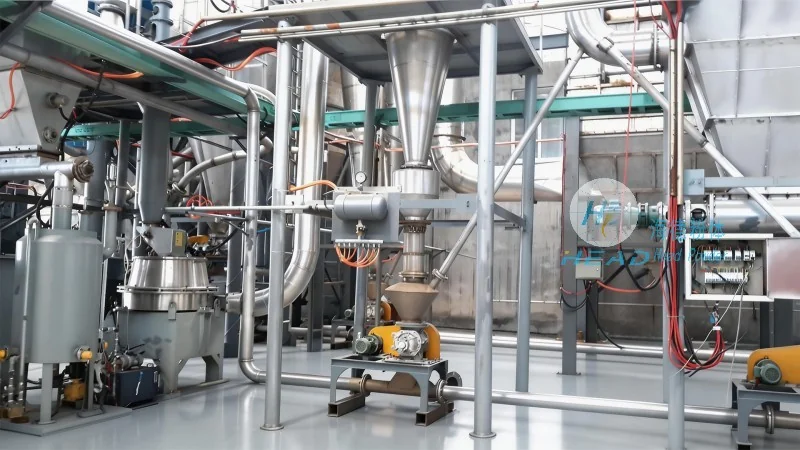
Introduction to Phosphorus Pentachloride Powder Pneumatic Conveying Systems
Phosphorus pentachloride is a volatile, moisture-sensitive chemical that requires precise handling to prevent accidents and maintain product integrity. Traditional bulk material handling methods, such as belt conveyors or bucket elevators, are unsuitable for PCl₅ due to its reactivity and the need for airtight, inert environments. Pneumatic conveying systems offer a solution by transporting the powder through a pressurized or vacuum pipeline using air or other carrier gases. This method minimizes direct contact with the environment, reduces the risk of contamination, and enables safe transportation over long distances.
About HeadPowder: A Leading Provider of Pneumatic Conveying Solutions
HeadPowder, an industry expert based in Shandong, China, specializes in designing and manufacturing advanced powder handling systems. With years of experience in the chemical and material processing sectors, HeadPowder has developed state-of-the-art pneumatic conveying solutions tailored to the unique needs of hazardous materials like phosphorus pentachloride. The company’s commitment to safety, reliability, and innovation has made it a trusted partner for businesses requiring efficient and secure powder transport. HeadPowder’s facilities are located in Shandong, China, where they leverage local expertise and resources to deliver high-quality engineering services.
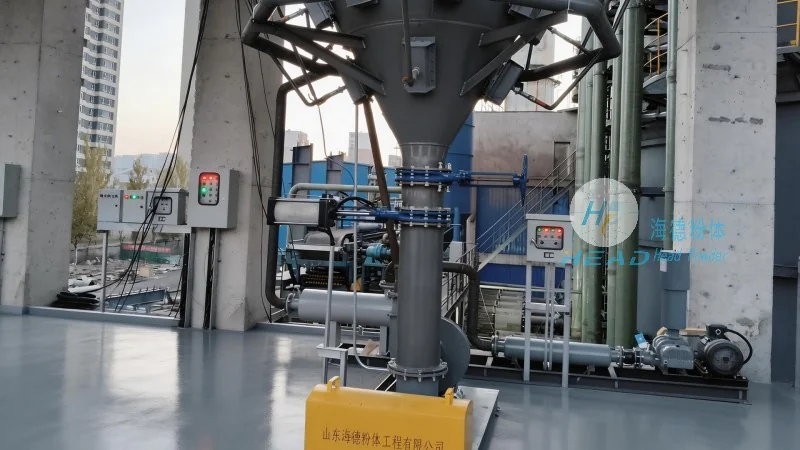
Design Principles of a Phosphorus Pentachloride Powder Pneumatic Conveying System
The design of a PCl₅ powder pneumatic conveying system involves several key principles aimed at ensuring safety, efficiency, and compliance with industrial standards. The primary goal is to create a closed-loop system that prevents exposure to the environment and minimizes the risk of accidents. The system typically consists of the following components:
1. Inlet and Feeding Mechanism
The system begins with an inlet or hopper where PCl₅ powder is introduced. The feeding mechanism, often a rotary valve or a metering device, controls the flow rate of the powder into the conveying line. For PCl₅, which is hygroscopic and reactive, the feeding equipment must be made of corrosion-resistant materials, such as stainless steel or specialized alloys, to prevent degradation and ensure consistent performance.
2. Conveying Pipeline and Pressure Control
The conveying pipeline is designed to maintain a controlled pressure environment, either positive (pressure) or negative (vacuum), depending on the application. Positive pressure systems are commonly used for transporting PCl₅ from a central storage to various processing points, as they can handle longer distances and multiple branches. The pipeline is typically made of materials like PTFE-coated steel or corrosion-resistant plastic to withstand the chemical's aggressive nature. Pressure regulators and valves are integrated to maintain stable pressure and prevent over-pressurization or vacuum collapse.
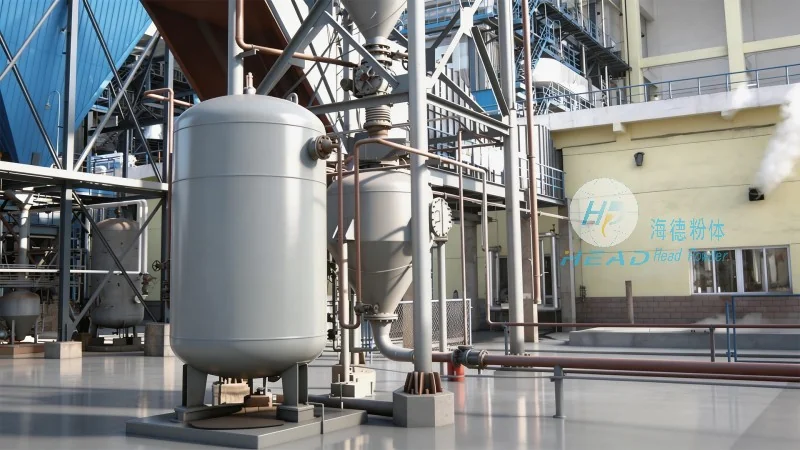
3. Carrier Gas Selection and Inertization
The choice of carrier gas is critical for the safe transport of PCl₅. Air is often used as the primary carrier, but in some cases, inert gases like nitrogen or argon may be employed to prevent oxidation or reaction with moisture. The gas must be dry and free of contaminants to avoid unwanted reactions with the powder. The system includes drying and filtration units to ensure the carrier gas meets the required purity standards. Proper inertization is essential to prevent exothermic reactions that could lead to overheating or fire hazards.
4. Dust Collection and Filtration
At the receiving end of the system, a dust collection and filtration unit is installed to capture any PCl₅ particles that may escape the pipeline. This unit typically consists of a cyclone separator followed by a bag filter or cartridge filter. The collected powder is then returned to the system or stored in a secure container. The filtration system must be designed to handle the corrosive nature of PCl₅ and ensure that no dust is released into the environment, complying with environmental regulations.
5. Safety and Control Systems
Due to the hazardous nature of PCl₅, the system incorporates comprehensive safety features. These include pressure relief valves, emergency shut-off mechanisms, and monitoring systems that track temperature, pressure, and flow rates. The control system is typically automated, allowing for real-time adjustments to maintain optimal operation. Safety protocols are strictly followed to prevent accidental release or exposure, ensuring the well-being of personnel and the integrity of the process.
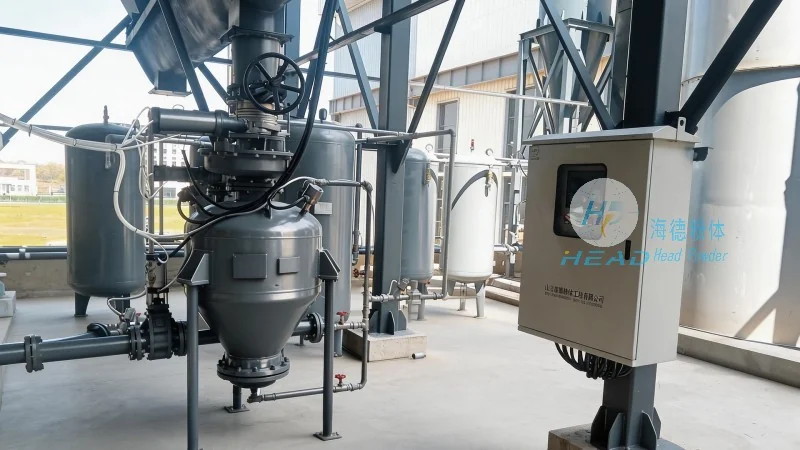
Key Advantages of Using a Phosphorus Pentachloride Powder Pneumatic Conveying System
Implementing a PCl₅ powder pneumatic conveying system offers several advantages over traditional handling methods. Firstly, it provides a completely enclosed system, reducing the risk of dust exposure and environmental contamination. This is particularly important for PCl₅, which can cause respiratory issues and skin irritation if inhaled or contacted. Secondly, the system enhances operational efficiency by enabling continuous, automated transport of the powder, reducing downtime and labor costs. Thirdly, the closed-loop design minimizes product loss and degradation, preserving the quality of PCl₅ for downstream processes. Additionally, the system can be integrated with other processing equipment, creating a seamless workflow in chemical manufacturing plants.
Conclusion
A phosphorus pentachloride powder pneumatic conveying system is a sophisticated solution designed to handle the unique challenges of transporting a hazardous chemical like PCl₅. By adhering to strict design principles, including corrosion-resistant materials, inert carrier gases, and robust safety features, these systems ensure safe and efficient operation. HeadPowder, with its expertise in powder handling technology, provides tailored solutions that meet the specific requirements of industrial applications. The implementation of such systems not only enhances safety and productivity but also aligns with regulatory standards, making them a critical component in modern chemical processing facilities.