

What is a Coking Coal Particle Powder Pneumatic Conveying System? What Are Its Design Principles?
Coking coal, a critical raw material in the steel industry, often requires efficient handling and transportation from production sites to processing facilities. The coking coal particle powder pneumatic conveying system addresses this need by utilizing air as the medium to transport fine coal particles. This technology offers significant advantages over traditional mechanical conveying methods, such as reduced maintenance, lower energy consumption, and enhanced safety in handling potentially hazardous materials.
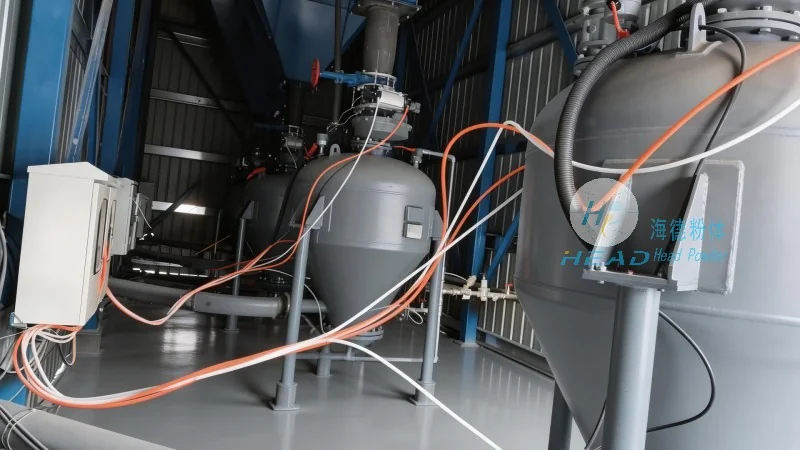
Understanding the Coking Coal Particle Powder Pneumatic Conveying System
The coking coal particle powder pneumatic conveying system is a specialized equipment setup designed to transport coking coal particles in a dry, powder form. It operates by generating a high-pressure air stream that propels the coal particles through a pipeline network. The system typically includes components like a feeder, a compressor, a filter, and a receiver. The feeder ensures a consistent flow of coal particles into the system, while the compressor provides the necessary air pressure to move the material. The filter captures any fine particles or dust, preventing contamination and ensuring clean operation. The receiver collects the conveyed coal at the destination point.
Key Design Principles of the System
The design of a coking coal particle powder pneumatic conveying system is governed by several critical principles to ensure optimal performance and reliability. One of the primary principles is the selection of appropriate air velocity. The air velocity must be high enough to overcome the gravitational force acting on the coal particles and maintain a stable flow within the pipeline. This velocity is typically determined based on the particle size, density, and moisture content of the coking coal. Another key principle is the system's pressure drop management. The pressure drop across the pipeline and components must be minimized to reduce energy consumption and prevent excessive wear on the equipment. Engineers carefully calculate the diameter of the pipeline, the length of the conveying line, and the number of bends to achieve an efficient pressure drop.
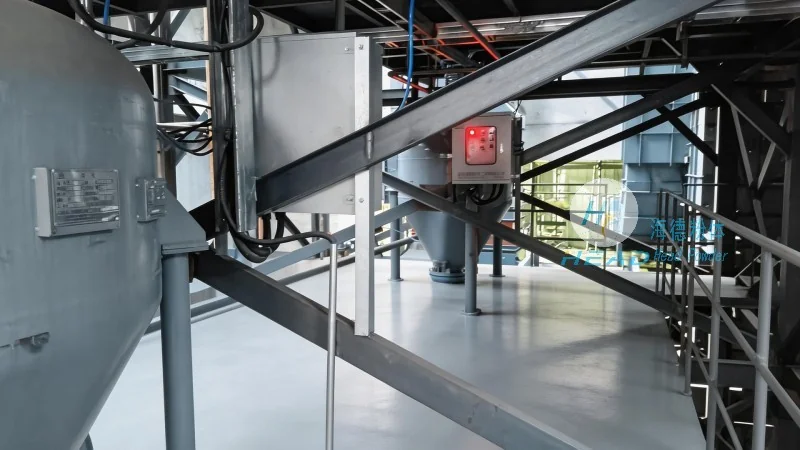
Components and Their Functions
The coking coal particle powder pneumatic conveying system consists of several interconnected components, each playing a vital role in the overall operation. The feeder is responsible for feeding the coking coal into the system at a controlled rate. It may be a rotary valve or a screw feeder, depending on the system's requirements. The compressor, often a positive displacement type, generates the high-pressure air needed to transport the coal particles. The filter, usually a baghouse or cartridge filter, removes any fine particles from the air stream, protecting the compressor and downstream equipment. The pipeline network connects all components and transports the coal from the source to the destination. The receiver, a storage tank or hopper, collects the conveyed coal and may include a discharge valve for further processing.
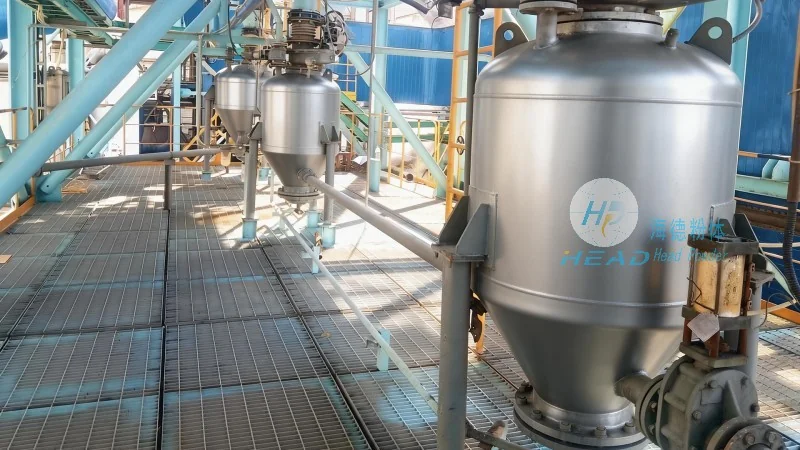
Advantages of the Pneumatic Conveying System
Compared to traditional mechanical conveying methods, the coking coal particle powder pneumatic conveying system offers several advantages. First, it eliminates the need for moving parts in the conveying line, reducing maintenance requirements and downtime. Second, it provides a dust-free environment, enhancing safety and reducing the risk of fire or explosion in facilities handling coking coal. Third, the system can handle a wide range of particle sizes and moisture contents, making it versatile for different production scenarios. Additionally, the system's ability to transport materials over long distances without intermediate storage points improves operational efficiency and reduces material handling costs.
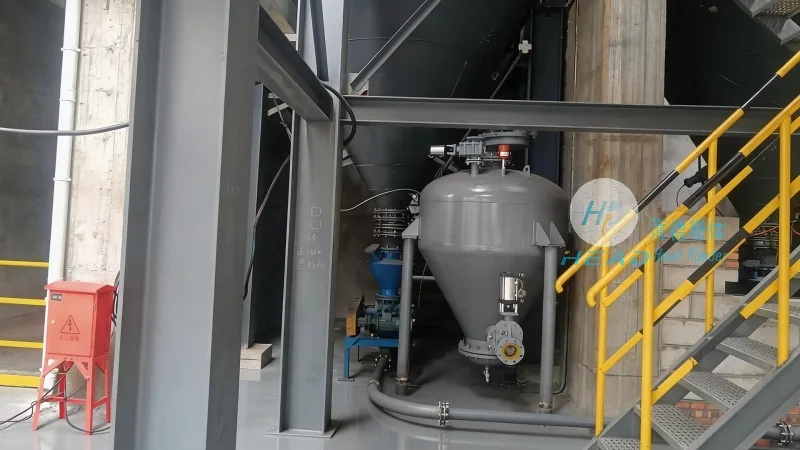
Application in the Steel Industry
In the steel industry, the coking coal particle powder pneumatic conveying system is widely used in coking plants to transport coal from storage areas to the coking ovens. The system ensures a continuous and reliable supply of coking coal, which is essential for maintaining the production schedule. The system's design allows for integration with existing plant infrastructure, minimizing disruption during installation and operation. Furthermore, the system's flexibility allows for adjustments in conveying capacity based on production demands, providing a scalable solution for steel manufacturers.
Conclusion
The coking coal particle powder pneumatic conveying system is a sophisticated and efficient technology for handling coking coal particles. Its design principles, focusing on air velocity, pressure drop, and component selection, ensure optimal performance and reliability. The system's advantages, including reduced maintenance, enhanced safety, and operational efficiency, make it a preferred choice in the steel industry. As a leading provider in this field, Shandong HeadPowder Engineering Co., Ltd. specializes in designing and manufacturing such systems, leveraging years of experience to deliver high-quality solutions tailored to the specific needs of steel manufacturers.