

Understanding Fly Ash Powder Pneumatic Conveying Systems: Design Principles Explained
For industrial facilities dealing with fly ash, the efficient and reliable transport of this fine powder is crucial. A fly ash powder pneumatic conveying system offers a solution that minimizes dust emissions, reduces material loss, and enhances overall operational safety. This article explores what such a system entails and the key design principles that underpin its effective operation.
What is a Fly Ash Powder Pneumatic Conveying System?
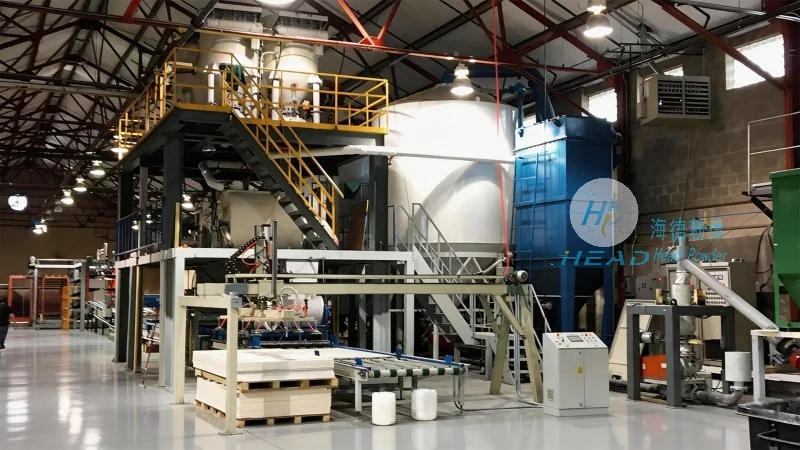
A fly ash powder pneumatic conveying system is a specialized equipment setup designed to transport fly ash, a byproduct of coal combustion, from one location to another within an industrial facility. Unlike traditional mechanical conveying methods, which may generate significant dust and require regular maintenance, pneumatic systems use air to move the material through a network of pipes. This approach not only improves environmental compliance by containing dust but also ensures a more consistent and controlled flow of the material.
Key Components of the System
The effectiveness of a fly ash powder pneumatic conveying system relies on several critical components. These typically include a material feed hopper, a conveying pipeline, a blower or air compressor, a control valve system, and a receiving hopper or silo. The feed hopper is responsible for storing and feeding the fly ash into the system, while the blower generates the necessary air pressure to move the material through the pipes. The control valve system allows operators to regulate the flow rate and direction of the material, ensuring precise control over the conveying process. Finally, the receiving hopper collects the fly ash at the destination point, completing the transport cycle.
Design Principles for Optimal Performance
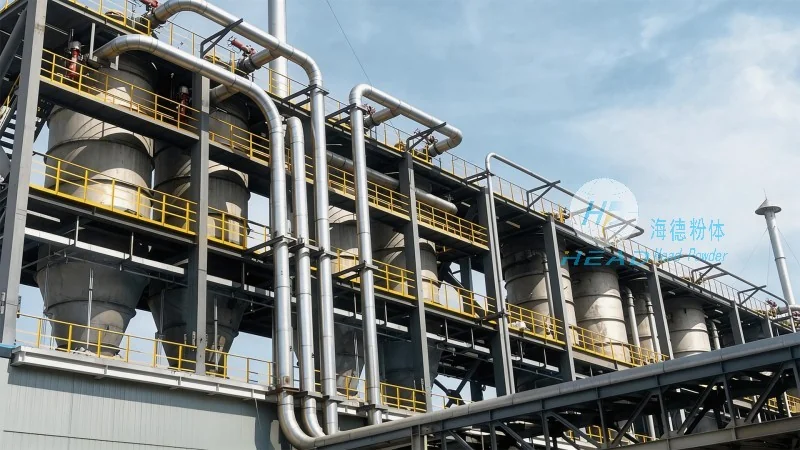
The design of a fly ash powder pneumatic conveying system must consider several factors to ensure it operates efficiently and reliably. One of the primary principles is the selection of appropriate air velocity. The air velocity must be high enough to suspend the fly ash particles but not so high as to cause excessive wear on the system components or lead to energy inefficiency. Engineers typically calculate the required air velocity based on the particle size, density, and flow rate of the fly ash, ensuring that the system can handle the specific characteristics of the material.
Another critical design principle is the system's pressure and flow rate. The pressure generated by the blower must be sufficient to overcome the resistance in the conveying pipes, including friction losses and any elevation changes. The flow rate, measured in terms of material volume per unit time, must be optimized to maintain a consistent and stable flow without causing blockages or excessive air consumption. Proper sizing of the blower and pipeline diameter is essential to achieve the desired pressure and flow rates while minimizing energy costs.
Material Handling Considerations
Since fly ash is a fine, abrasive powder, the design of the system must account for material properties that can affect performance and longevity. Abrasion resistance is a key consideration, as the fly ash particles can wear down metal components over time. Therefore, components such as the feed hopper, pipelines, and blower housing are often constructed from materials with high wear resistance, such as stainless steel or specialized alloys. Additionally, the system must be designed to prevent clogging, as fine particles can accumulate and cause blockages in the pipes. This may involve incorporating features like pulse jets or rotary valves to break up any agglomerates and maintain a smooth flow.
Environmental and Safety Benefits
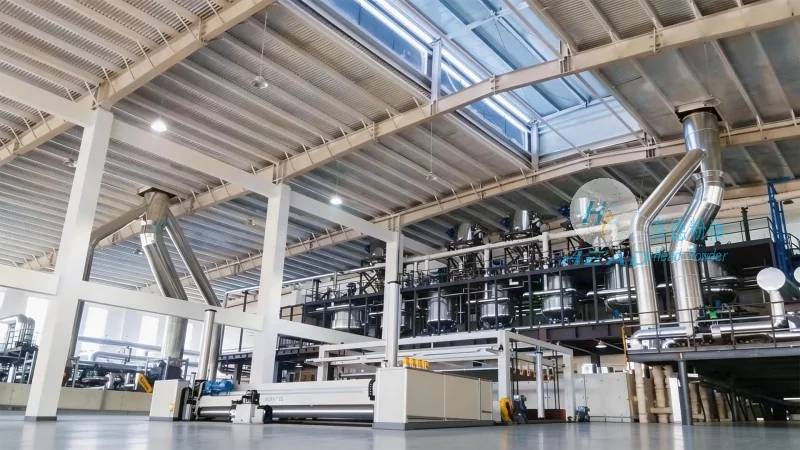
Implementing a fly ash powder pneumatic conveying system offers several environmental and safety advantages. By containing the material within a closed system, the system significantly reduces dust emissions, which is essential for meeting environmental regulations and protecting the health of workers. The closed-loop design also minimizes material loss, ensuring that the maximum amount of fly ash is utilized in downstream processes, such as cement production or landfill disposal. Furthermore, the system's enclosed nature reduces the risk of accidental spills or exposure, enhancing workplace safety.
About Shandong HeadPowder Engineering Co., Ltd.
Shandong HeadPowder Engineering Co., Ltd., operating under the brand name headpowder, is a leading provider of advanced material handling solutions, including fly ash powder pneumatic conveying systems. With years of experience in the industry, the company specializes in designing and manufacturing customized systems tailored to the specific needs of its clients. Headpowder's team of engineers and technicians leverages cutting-edge technology and rigorous testing to ensure that each system meets the highest standards of performance, reliability, and safety. The company's commitment to quality and customer satisfaction has made it a trusted partner for industrial facilities worldwide, helping them optimize their material handling processes and achieve operational efficiency.