

What is a caustic soda powder pneumatic conveying system? What are its design principles?
Caustic soda, or sodium hydroxide, is a vital chemical in numerous industrial processes. The efficient and safe transportation of caustic soda powder is paramount for industrial operations, and pneumatic conveying systems have become a trusted solution. This article delves into the caustic soda powder pneumatic conveying system, outlining its design principles and the key elements that enable effective material handling. The information is provided by Shandong HeadPowder Engineering Co., Ltd., a leading provider of specialized engineering solutions for bulk material transport.
Introduction to Caustic Soda Powder Pneumatic Conveying Systems
Caustic soda powder pneumatic conveying systems are specialized equipment designed to move dry caustic soda powder from one location to another within industrial facilities. These systems leverage pneumatic transport principles, which involve moving bulk materials through pipelines using a gas stream—typically air or a blend of air and other gases. The primary objective of such systems is to ensure safe, efficient, and low-damage handling of caustic soda powder, which is essential for maintaining product quality and operational safety.
Key Components of the System
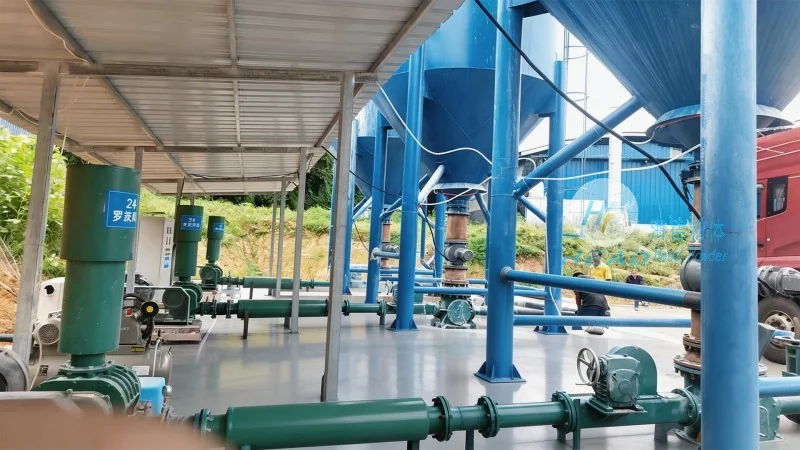
The caustic soda powder pneumatic conveying system comprises several critical components that collaborate to achieve effective material transport. These components include the material feed hopper, the conveying line (pipeline), the air compressor or vacuum pump, the control system, and the discharge equipment. The material feed hopper stores and feeds caustic soda powder into the system, ensuring a consistent flow. The conveying line, often constructed from corrosion-resistant materials like stainless steel or specialized alloys, transports the powder and air mixture. The air compressor or vacuum pump generates the necessary pressure or vacuum to move the material through the pipeline. The control system monitors and regulates system operation, ensuring optimal performance and safety. Finally, the discharge equipment—such as a rotary valve or dust collector—manages the release of caustic soda powder at the destination point.
Design Principles and Operational Mechanisms
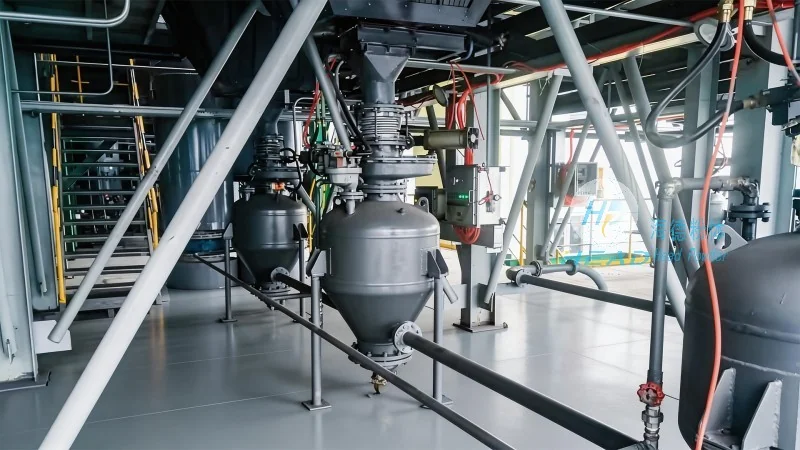
The design of a caustic soda powder pneumatic conveying system is grounded in several key principles to ensure efficient and safe operation. The first principle is the selection of appropriate air velocity, which is critical for preventing material deposition and ensuring smooth flow. The air velocity must be high enough to overcome friction between powder particles and pipeline walls but low enough to avoid excessive equipment wear. The second principle is the consideration of the material's properties, such as density, particle size, and flowability. These properties influence the choice of conveying method (e.g., pressure or vacuum) and the required air volume. The third principle is the incorporation of safety features, including explosion-proof components and dust collection systems, to mitigate risks associated with handling caustic soda powder. Additionally, the system design must comply with relevant industrial standards and regulations to ensure operational safety and environmental compliance.
Pressure and Vacuum Conveying Methods
Caustic soda powder pneumatic conveying systems can utilize either pressure or vacuum conveying methods, depending on application and system requirements. Pressure conveying systems employ an air compressor to create positive pressure in the pipeline, pushing material from the feed point to the discharge point. This method is suitable for short to medium-distance transport and is often used when material needs to be conveyed to a higher elevation. Vacuum conveying systems, conversely, use a vacuum pump to generate negative pressure in the pipeline, drawing material from the feed point to the discharge point. This method is ideal for long-distance transport and when material needs to be conveyed to a lower elevation. The choice between pressure and vacuum conveying depends on factors like distance between feed and discharge points, height difference, and material flow characteristics.
Advantages of Caustic Soda Powder Pneumatic Conveying Systems
Caustic soda powder pneumatic conveying systems offer several advantages over traditional bulk material handling methods. A primary advantage is the ability to transport caustic soda powder in a closed system, minimizing environmental exposure and reducing dust contamination risks. This closed system also helps maintain product purity and prevent cross-contamination with other materials. Another advantage is the high efficiency of material transport, as pneumatic systems can handle large volumes of caustic soda powder at relatively high speeds. Additionally, these systems are flexible and can be easily integrated into existing industrial facilities, enabling seamless material flow. The closed nature of the system contributes to improved safety by reducing dust explosion risks and minimizing personnel exposure to caustic soda powder.
Applications and Industries
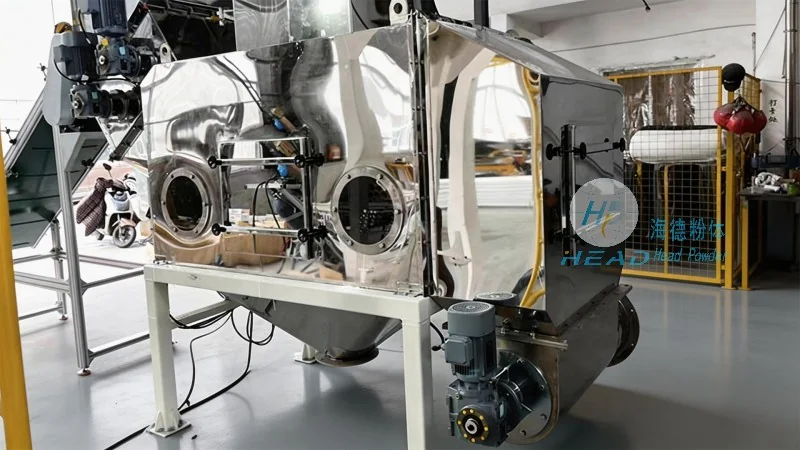
Caustic soda powder pneumatic conveying systems are widely used in various industries that rely on caustic soda as a key chemical. These industries include the chemical manufacturing sector, where caustic soda is used in producing soaps, detergents, and other chemical products. The paper and pulp industry also utilizes caustic soda in bleaching and pulping processes. Additionally, the food processing industry uses caustic soda for cleaning and processing purposes. The oil and gas industry employs caustic soda for corrosion control and water treatment. The pharmaceutical industry may also use caustic soda in certain manufacturing processes. In each application, the pneumatic conveying system ensures safe and efficient transport of caustic soda powder, contributing to overall industrial productivity and safety.
Conclusion
In summary, the caustic soda powder pneumatic conveying system is a sophisticated and essential equipment for efficient handling of caustic soda powder in industrial settings. Its design is based on principles that ensure safe, reliable, and high-performance material transport. The system's components, operational mechanisms, and advantages make it a preferred choice for industries requiring consistent and safe movement of caustic soda powder. As industrial processes evolve, the caustic soda powder pneumatic conveying system remains a critical solution for maintaining operational efficiency and safety, as exemplified by the expertise of Shandong HeadPowder Engineering Co., Ltd.