

What is a Tonne Bag Dust-Free Feeding Station for Powder Pneumatic Conveying System? And What Are It
Understanding the Tonne Bag Dust-Free Feeding Station and its Pneumatic Conveying System Design Principles
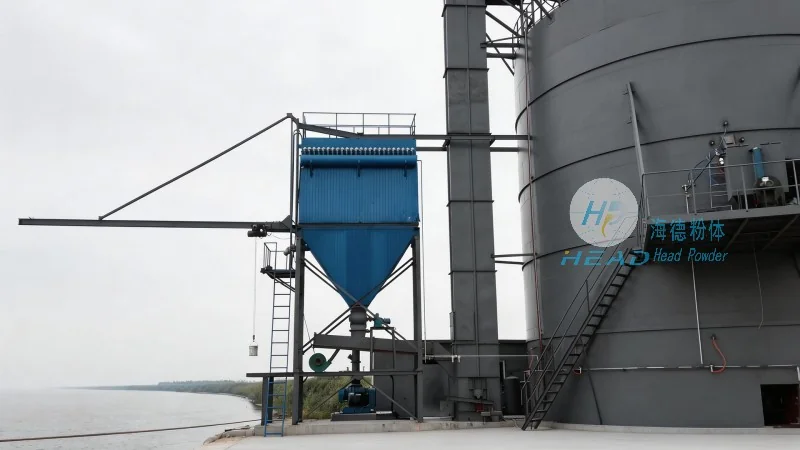
Introduction to the Tonne Bag Dust-Free Feeding Station
For industries dealing with bulk powders, maintaining a clean and efficient material handling process is crucial. The tonne bag dust-free feeding station, often integrated with a powder pneumatic conveying system, represents a sophisticated solution to manage bulk materials while minimizing dust exposure and ensuring operational safety. Developed by Shandong HeadPowder Engineering Co., Ltd., this system combines advanced engineering with practical design to meet the demands of modern industrial applications.
What is a Tonne Bag Dust-Free Feeding Station?
A tonne bag dust-free feeding station is a specialized piece of equipment designed to handle bulk powders from tonne bags (also known as super sacks or big bags) in a controlled, dust-free environment. The primary function is to transfer the material from the bag into a pneumatic conveying system for transport to processing units. This station typically includes components such as a bag opening mechanism, a hopper for material collection, and a dust collection system to prevent airborne particles from contaminating the workspace. The design emphasizes safety and efficiency, making it ideal for industries like pharmaceuticals, food processing, and chemical manufacturing where product purity and worker health are paramount.
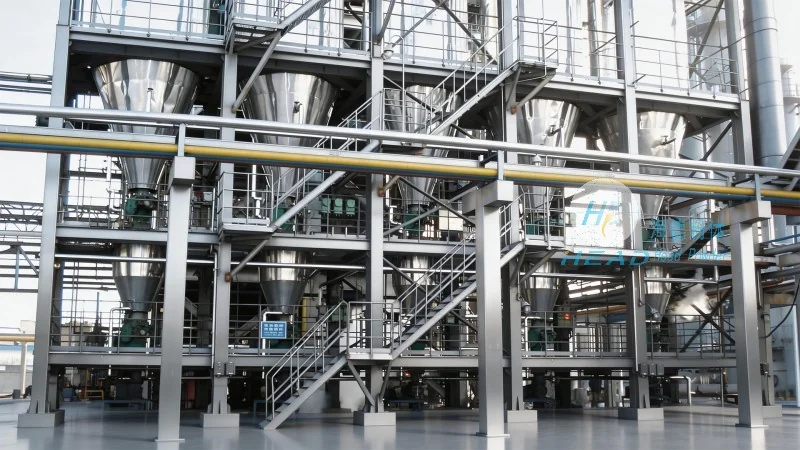
Powder Pneumatic Conveying System Design Principles
The pneumatic conveying system integrated with the tonne bag feeding station operates on the principle of using air to transport powders through a pipeline. This system can be categorized into two main types: pressure and vacuum systems. In a pressure system, air is blown into the conveying line under pressure, pushing the powder forward. A vacuum system, conversely, uses suction to draw the powder into the line. The design of the system involves several critical components, including the feed hopper, air compressor or vacuum pump, conveying line, and receiving hopper. The choice of system type depends on factors such as the material's properties (e.g., density, moisture content), the distance to be conveyed, and the required flow rate. The headpowder team at Shandong HeadPowder Engineering Co., Ltd. carefully selects and configures these components to ensure optimal performance and minimal material degradation.
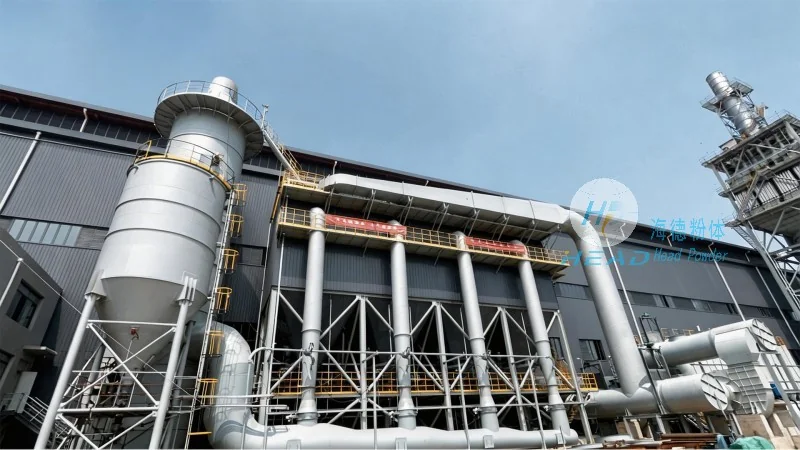
Key Design Features of the Dust-Free Feeding Station
The dust-free feeding station incorporates several key design features to maintain a clean environment and ensure safe operation. One of the most important is the sealed bag opening system, which prevents dust from escaping during the unloading process. This system often includes a bag clamp or airtight seal that connects the bag to the hopper, allowing material to flow into the system without exposing workers to dust. Additionally, the station is equipped with a dust collection system, typically a cyclone or bag filter, that captures any particles that may escape and returns them to the hopper or disposes of them safely. The hopper design is also critical, as it must be large enough to hold the material from a full tonne bag and have smooth, sloped sides to prevent material bridging or caking. The feeding mechanism, such as a rotary valve or screw conveyor, ensures a consistent flow of material into the pneumatic system, preventing blockages and maintaining system efficiency.
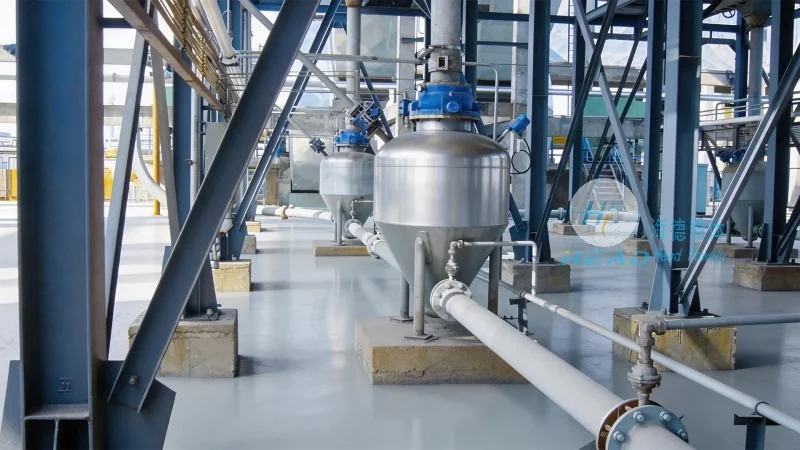
Benefits and Applications
The tonne bag dust-free feeding station and associated pneumatic conveying system offer numerous benefits to industrial operations. By eliminating dust exposure, the system enhances worker safety and reduces the risk of respiratory illnesses. It also improves product quality by preventing contamination from airborne particles. Additionally, the system increases operational efficiency by automating the material handling process, reducing labor costs and minimizing downtime. The compact design of the station makes it suitable for both new installations and retrofitting existing facilities. Industries that benefit from this technology include pharmaceuticals, food and beverage, chemicals, and mining, where bulk powders are a key component of their production processes.
Conclusion
The tonne bag dust-free feeding station, combined with a powder pneumatic conveying system, represents a highly effective solution for bulk material handling in industrial settings. Developed by Shandong HeadPowder Engineering Co., Ltd., this system leverages advanced design principles to ensure efficiency, safety, and product purity. By integrating sealed bag handling, dust collection, and efficient pneumatic transport, the system addresses the challenges of traditional material handling methods, making it a valuable asset for modern manufacturing operations.