With more than 10‑year industry experience, Shandong Headpowder delivers full‑service pneumatic‑conveying systems and blowers, undertaking nationwide turn‑key powder‑handling projects.
When it comes to industrial processes, the efficient and reliable handling of additive materials is crucial for maintaining productivity and ensuring product quality. Additive material handling equipment plays a vital role in this regard, serving as the backbone of many manufacturing and processing operations. These specialized systems are designed to transport, store, and manage various types of additive materials with precision and efficiency. Understanding what these equipment are and how they are designed is essential for businesses looking to optimize their material handling strategies, especially when working with companies like Shandong HeadPowder Engineering Co., Ltd., a leading provider of such equipment.
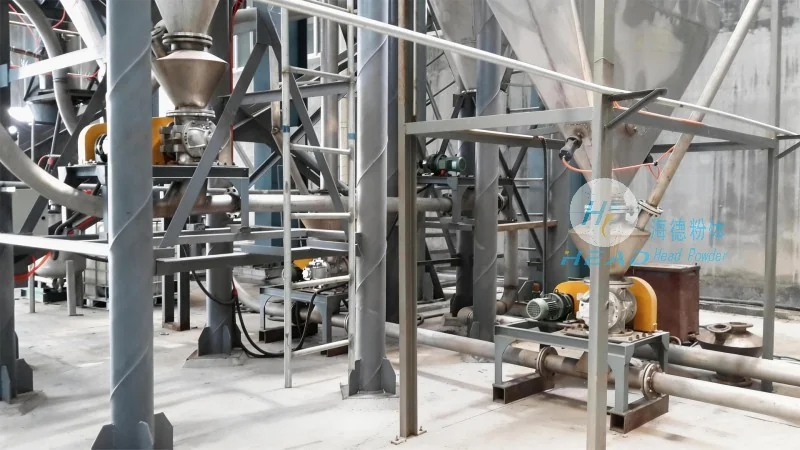
Additive material handling equipment refers to a range of machinery and systems specifically engineered to handle, transport, and manage additive materials in industrial settings. These materials can include powders, granules, pellets, and other bulk materials that are commonly used in manufacturing processes. The primary goal of these systems is to ensure that additive materials are moved from one point to another within a facility with minimal loss, contamination, and energy consumption. The equipment is tailored to meet the unique characteristics of different additive materials, such as their flowability, density, and moisture content, to provide optimal performance.
In modern manufacturing, the use of additive materials is widespread across various industries, including pharmaceuticals, food processing, chemical manufacturing, and more. These materials are often critical components in the production of final products, and their proper handling directly impacts the overall quality and consistency of the end product. Additive material handling equipment helps streamline the supply chain by ensuring that these materials are available when needed, reducing downtime and improving operational efficiency. By automating the movement of additive materials, businesses can achieve higher throughput, lower labor costs, and enhanced safety in their operations.
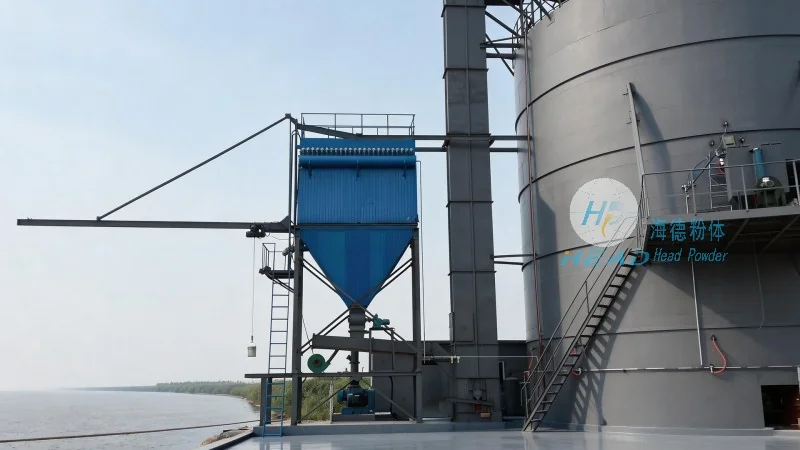
The design of additive material handling equipment is based on several key principles that ensure their effectiveness and reliability. These principles include material compatibility, flow control, and energy efficiency. Material compatibility is a critical factor, as the equipment must be constructed from materials that do not react with or contaminate the additive materials being handled. This often involves the use of stainless steel, special plastics, or other corrosion-resistant materials to maintain the purity of the materials. Flow control is another essential aspect, as different additive materials have varying flow characteristics. Equipment such as screw conveyors, pneumatic conveyors, and bucket elevators are designed to handle specific flow properties, ensuring smooth and consistent material movement. Energy efficiency is also a key consideration, as modern equipment is engineered to minimize energy consumption while maximizing performance. This includes features like variable speed drives, efficient motor designs, and optimized system layouts that reduce energy waste.
Additive material handling systems typically consist of several key components that work together to achieve their objectives. These components include feeders, conveyors, storage silos, and control systems. Feeders are responsible for accurately metering and dispensing the additive materials, ensuring a consistent flow rate. Conveyors, such as screw or belt conveyors, transport the materials from one location to another within the facility. Storage silos are used to store bulk quantities of additive materials, providing a buffer for production needs and reducing the frequency of material deliveries. Control systems, often integrated with sensors and automation technology, monitor the system's performance and adjust operations as needed to maintain optimal conditions. Advanced technologies, such as sensors for level monitoring, flow rate measurement, and material analysis, are increasingly being incorporated into these systems to enhance their functionality and reliability.
Implementing additive material handling equipment offers numerous benefits to businesses. One of the primary advantages is improved material control and reduced waste. By accurately measuring and transporting additive materials, businesses can minimize material loss and ensure that the right amount is used in each production batch. This leads to cost savings and better resource management. Another benefit is enhanced safety. Automated material handling systems reduce the need for manual handling of bulk materials, minimizing the risk of accidents and injuries. This is particularly important in industries where additive materials may be hazardous or difficult to handle manually. Additionally, these systems improve operational efficiency by reducing downtime and increasing throughput. By streamlining the material handling process, businesses can achieve higher productivity and better overall performance.
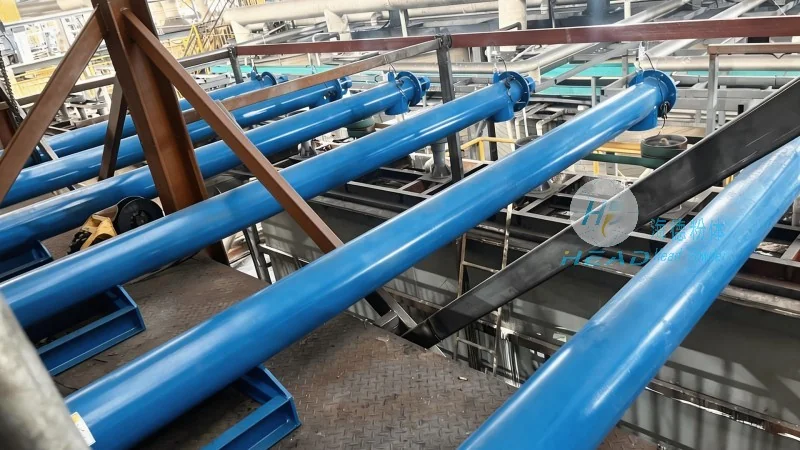
Selecting the appropriate additive material handling equipment is a critical decision for any business. The choice depends on several factors, including the type of additive materials being handled, the production volume, and the specific requirements of the manufacturing process. It is essential to work with experienced suppliers who can provide expert guidance in selecting the right equipment. Factors such as material flow characteristics, storage capacity, and integration with existing systems should be considered when making a decision. Consulting with industry experts can help identify the most suitable equipment for a particular application, ensuring optimal performance and long-term benefits. Additionally, considering the long-term maintenance and operational costs of the equipment is important to ensure a sound investment decision.
Additive material handling equipment is a vital component of modern industrial operations, providing the necessary infrastructure to efficiently handle and manage additive materials. By understanding the design principles and benefits of these systems, businesses can make informed decisions when selecting and implementing such equipment. The right equipment not only improves operational efficiency and product quality but also enhances safety and reduces costs. As the demand for additive materials continues to grow, the importance of reliable and efficient material handling systems will only increase. For businesses looking to optimize their material handling strategies, investing in high-quality additive material handling equipment is a smart and effective step toward achieving their goals.

 Shandong Headpowder Engineering Co., Ltd.
 156-6277-7102(Manager Zhang)
  0531-83386006
  Zhangqiu District, Jinan City, Shandong Province, China
telephone
WeChatconsult
top