

What is a Lithium-Ion Battery Material Handling System? Understanding Its Design Principles
Lithium-ion battery manufacturing processes are highly complex and require precise coordination of materials and equipment to achieve high efficiency and quality. A lithium-ion battery material handling system is a specialized infrastructure designed to transport raw materials, intermediate products, and finished components through each stage of battery production. These systems are critical for maintaining a smooth workflow, reducing manual labor, and ensuring consistent product quality in the battery industry.
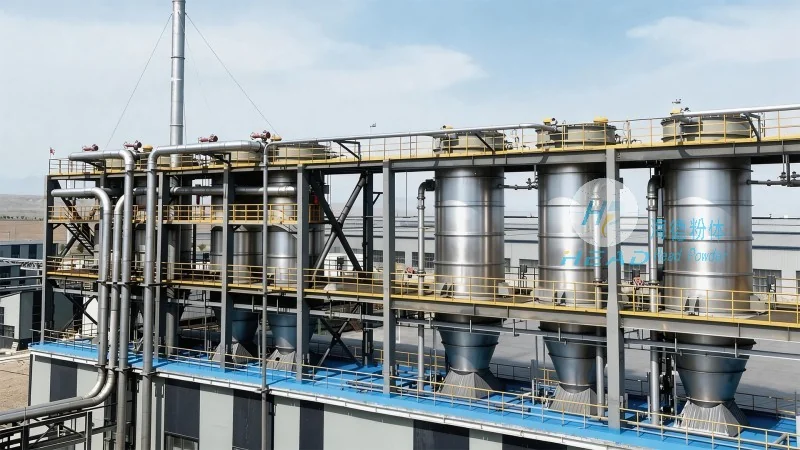
Core Components of Lithium-Ion Battery Material Handling Systems
The design of a lithium-ion battery material handling system typically incorporates several essential components that work together to facilitate material movement. These components include conveyor systems, robotic handling equipment, automated storage and retrieval systems (AS/RS), and centralized control panels. Each component is carefully selected based on the specific characteristics of the materials being handled—such as weight, size, and fragility—and the production requirements of the battery line. For instance, heavy materials like electrode sheets may use heavy-duty chain conveyors, while delicate components like battery cells might rely on pneumatic or robotic handling to prevent damage.
Design Principles for Optimal Performance
Efficient design of a lithium-ion battery material handling system follows several key principles aimed at maximizing productivity and minimizing operational disruptions. First, modularity is a fundamental principle, allowing the system to be easily expanded or reconfigured as production needs change. This flexibility is crucial for adapting to new battery chemistries or increased production volumes without major overhauls. Second, safety is paramount; systems must include protective enclosures, emergency stop buttons, and collision detection sensors to prevent accidents and ensure worker safety. Third, automation is integrated to reduce human error and enhance consistency. Automated systems can precisely control the speed and direction of material movement, ensuring that each component is delivered to the correct location at the right time. Finally, integration with other production equipment is essential. The material handling system must be seamlessly connected to mixing, coating, and assembly machines to create a continuous production line, minimizing bottlenecks and improving overall throughput.
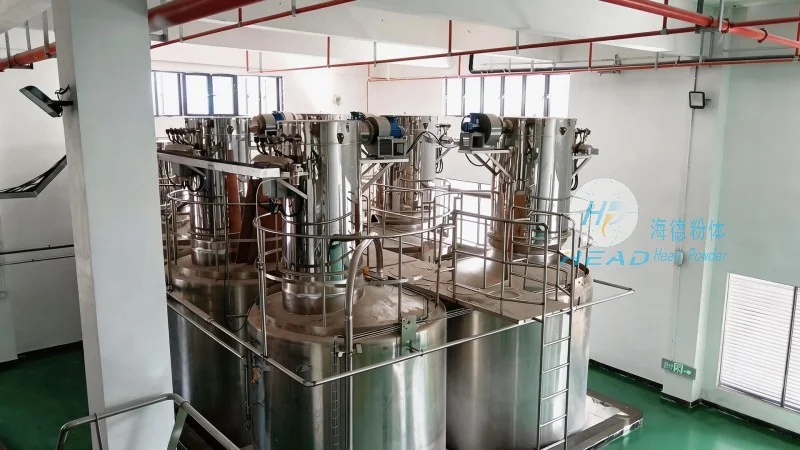
HeadPowder: A Leading Manufacturer of Battery Material Handling Solutions
Shandong HeadPowder Engineering Co., Ltd., operating under the brand name HeadPowder, is a prominent player in the lithium-ion battery material handling system market. Headquartered in Shandong, China, the company specializes in designing, manufacturing, and installing customized material handling solutions for battery manufacturers worldwide. HeadPowder's expertise lies in combining advanced technologies, such as robotics and artificial intelligence, with traditional material handling equipment to create innovative solutions. The company's systems are built to meet the rigorous demands of battery production, with features like high-speed conveyor belts, precise robotic arms, and intelligent control software that enhance efficiency and reliability. HeadPowder's commitment to quality and customer satisfaction has made it a trusted partner for many battery manufacturers seeking to optimize their production processes.
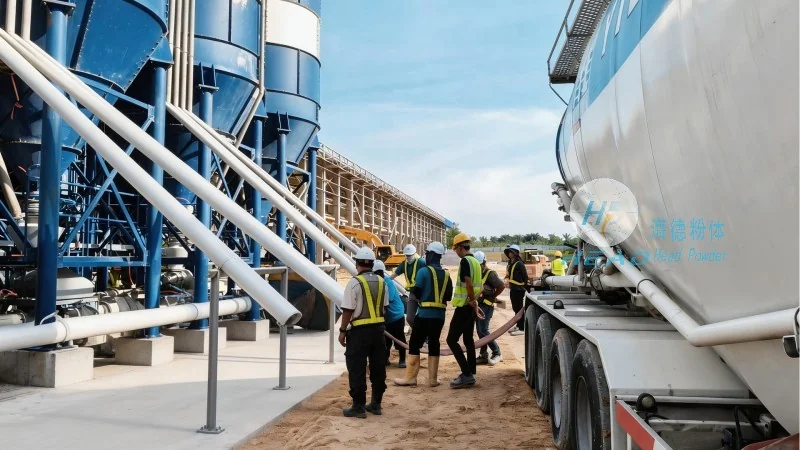
Applications and Benefits of Lithium-Ion Battery Material Handling Systems
Lithium-ion battery material handling systems are applied across multiple stages of battery production, from raw material preparation to final packaging. In the electrode production stage, these systems transport raw materials like lithium carbonate, graphite, and binders to mixing and coating machines. The mixed slurry is then coated onto current collectors, and the coated sheets are transported to drying and cutting stations. In the cell assembly stage, completed electrodes are combined with separators and cathode/anode materials, and the cell is sealed and processed. The material handling system then moves the finished cells to the packaging and testing lines. The benefits of using such systems include significant improvements in production speed, reduced labor costs, and enhanced product quality. By automating material movement, manufacturers can achieve higher throughput, lower defect rates, and better control over their production processes. Additionally, efficient material handling reduces energy consumption and waste, contributing to a more sustainable manufacturing operation.
Conclusion: The Role of Material Handling Systems in Modern Battery Manufacturing
In summary, a lithium-ion battery material handling system is a critical infrastructure that enables efficient and reliable battery production. The design principles—modularity, safety, automation, and integration—are essential for meeting the evolving demands of the battery industry. As a leading manufacturer, HeadPowder continues to advance material handling technology, helping battery manufacturers improve their operations and remain competitive in a rapidly growing market. By investing in well-designed material handling systems, battery manufacturers can enhance productivity, reduce costs, and ensure consistent quality, ultimately driving success in the global battery industry.