

What is a Chromium(III) Oxide Material Handling System? Understanding Its Design Principles
Chromium(III) oxide, commonly known as chromium sesquioxide, is a critical material in various industrial applications, including pigments, catalysts, and electronic components. The efficient handling and transportation of this material require specialized equipment designed to maintain its quality and integrity. This article explores the concept of a chromium(III) oxide material handling system and delves into the fundamental design principles that govern its operation.
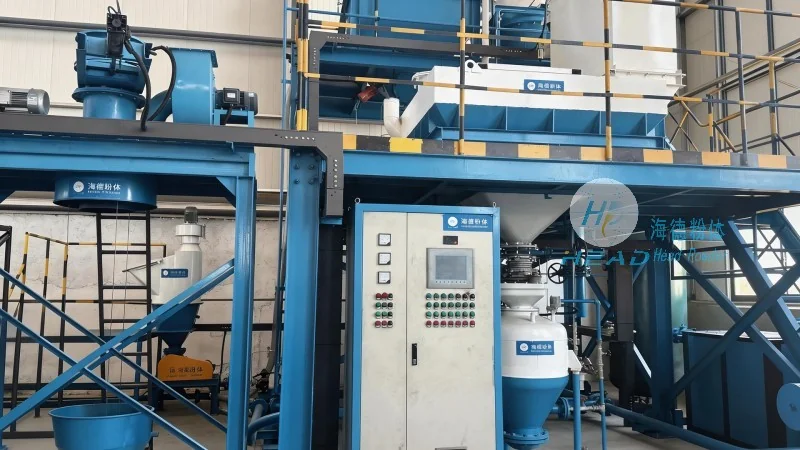
Introduction to Chromium(III) Oxide Material Handling Systems
Material handling systems are essential for the safe and efficient movement of bulk materials within industrial settings. For chromium(III) oxide, a highly reactive and sometimes hazardous substance, the design of such systems must prioritize containment, dust control, and environmental safety. The system typically includes components like hoppers, conveyors, and storage vessels, all engineered to minimize material degradation and ensure compliance with safety regulations.
Key Components of a Chromium(III) Oxide Material Handling System
The core components of a chromium(III) oxide material handling system are tailored to address the unique properties of the material. These include:
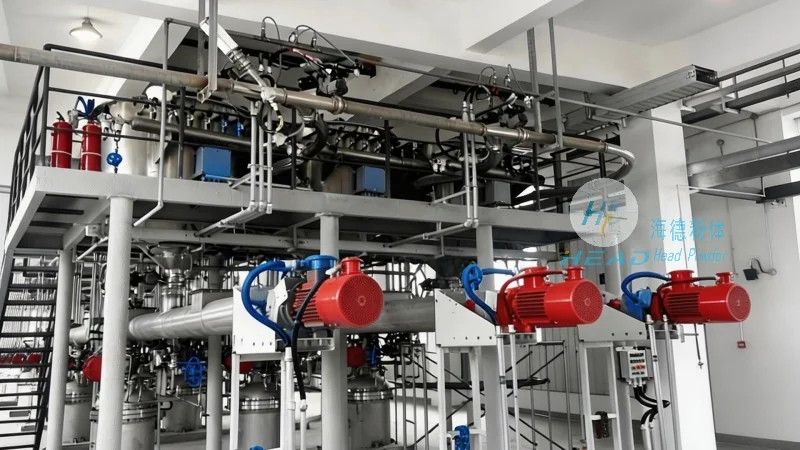
- Feed Hoppers: Designed to store and feed the material into the system, often equipped with liners to prevent corrosion and material buildup.
- Conveying Equipment: Such as screw conveyors or pneumatic systems, which transport the material from one location to another. Pneumatic systems are particularly effective for handling fine powders like chromium(III) oxide, as they minimize dust generation and ensure smooth flow.
- Dust Collection Systems: Integrated to capture and filter airborne particles, protecting both personnel and the environment from exposure to chromium(III) oxide dust.
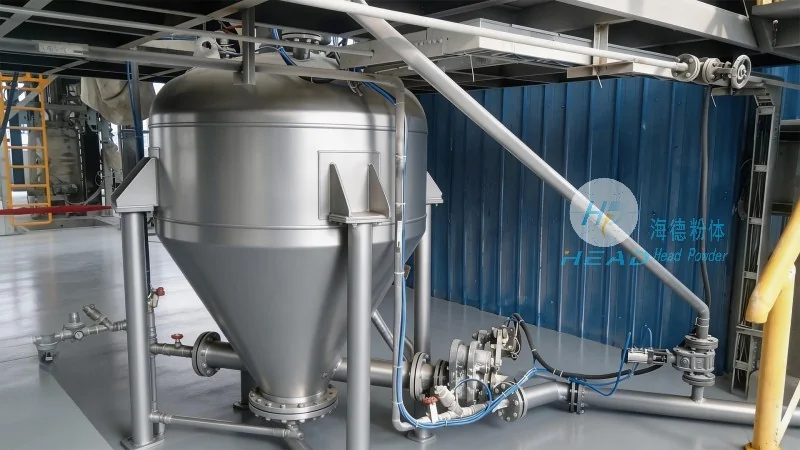
- Storage Silos: Large, sealed containers that store the material in bulk, ensuring consistent supply and reducing the risk of contamination.
Each component is selected based on factors like material flow rate, particle size, and the need for dust control. For instance, screw conveyors are suitable for moderate flow rates and can handle dry powders, while pneumatic systems are preferred for fine powders that require gentle handling to avoid agglomeration.
Design Principles for Optimal Performance
The design of a chromium(III) oxide material handling system is guided by several key principles to ensure efficiency, safety, and longevity. These principles include:
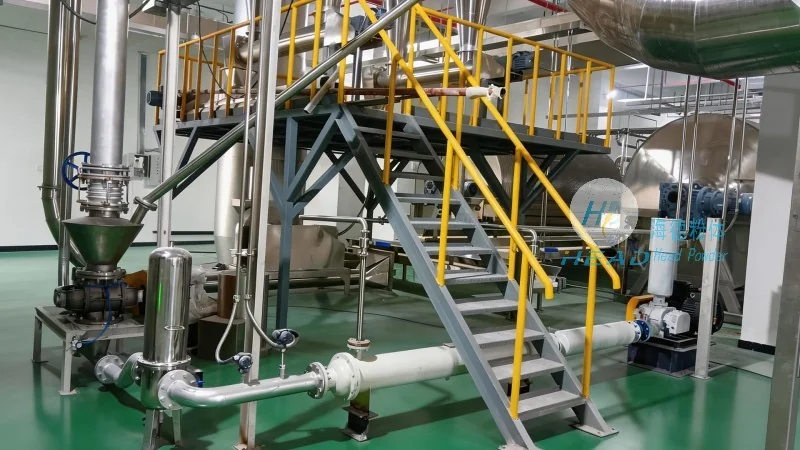
- Containment and Sealing: All components are constructed with tight seals to prevent material leakage and exposure to the environment. This is crucial for maintaining the purity of chromium(III) oxide, which can be sensitive to moisture and air.
- Airflow Management: Proper airflow is managed to control dust and ensure uniform material flow. This involves using filters and ventilation systems that are specifically designed for fine powders.
- Material Compatibility: The materials used in the construction of the system (e.g., stainless steel, special alloys) are chosen to resist corrosion and chemical reactions with chromium(III) oxide, ensuring the system’s durability over time.
- Automation and Control: Modern systems often incorporate automated controls to monitor flow rates, pressure, and other parameters, allowing for real-time adjustments and minimizing human error.
By adhering to these design principles, the system can effectively handle chromium(III) oxide while maintaining operational efficiency and safety standards.
Applications and Benefits of the System
Chromium(III) oxide material handling systems are widely used in industries such as pigments manufacturing, electronics, and chemical processing. The benefits of these systems include improved material handling efficiency, reduced downtime due to maintenance, and enhanced safety for workers. Additionally, the systems help maintain the quality of chromium(III) oxide, which is critical for its end-use applications.
About HeadPowder: Your Trusted Partner in Material Handling Solutions
HeadPowder, or Shandong HeadPowder Engineering Co., Ltd., is a leading manufacturer specializing in customized material handling systems for various industrial applications. With a focus on innovation and quality, HeadPowder provides tailored solutions that meet the specific needs of its clients. HeadPowder’s expertise in handling hazardous and sensitive materials, such as chromium(III) oxide, ensures that its systems are reliable, efficient, and compliant with industry standards.
HeadPowder’s facilities are located in Shandong, China, where the company leverages advanced technology and skilled engineering to deliver high-performance material handling solutions. The company’s commitment to customer satisfaction and product excellence has made it a trusted name in the industry.