

What is a Negative Pressure Material Handling Equipment? What is its Design Principle?
When it comes to efficient material handling in various industrial settings, negative pressure material handling equipment has emerged as a crucial solution. This equipment is designed to transport bulk materials through a vacuum or negative pressure system, offering a reliable and efficient method for moving powders, granules, and other fine materials from one location to another. Understanding the functionality and design principles of such equipment is essential for businesses seeking to optimize their material handling processes.
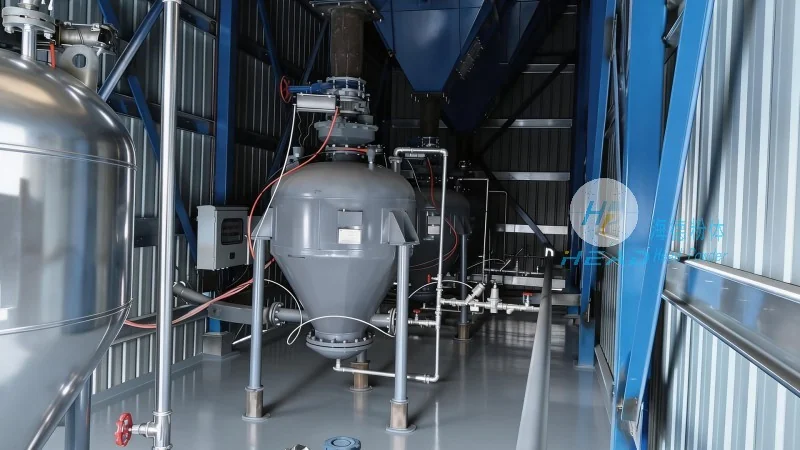
Introduction to Negative Pressure Material Handling Equipment
Negative pressure material handling equipment, often referred to as vacuum conveyors or suction systems, operates on the principle of creating a lower pressure environment within a transport line compared to the surrounding atmosphere. This pressure differential causes materials to be drawn into the system and transported through pipelines to a collection or processing point. The technology is widely used in industries such as pharmaceuticals, food processing, chemical manufacturing, and more, where handling fine or dusty materials requires careful control to prevent contamination and ensure safety.
Understanding the Core Function of Negative Pressure Material Handling Equipment
The primary function of negative pressure material handling equipment is to move bulk materials in a controlled manner. By using a vacuum pump to create a negative pressure, the system can draw materials from a source, such as a hopper or a storage container, and deliver them to a destination like a processing unit or a packaging machine. This method is particularly advantageous because it minimizes the risk of material spillage and dust dispersion, which are common issues with traditional conveyor systems. Additionally, negative pressure systems can handle materials with varying properties, including those that are sensitive to moisture or air exposure.
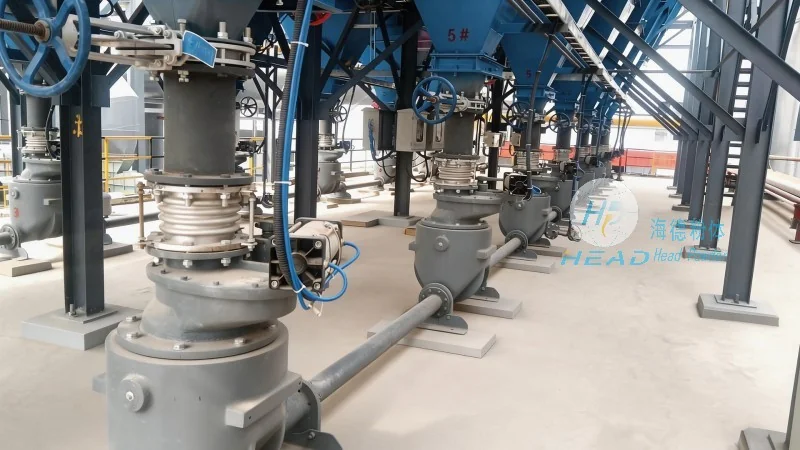
Design Principles Behind Negative Pressure Material Handling Equipment
The design of negative pressure material handling equipment is based on several key principles that ensure its effectiveness and reliability. First, the system must maintain a consistent negative pressure throughout the transport line to ensure smooth material flow. This is achieved through the use of high-efficiency vacuum pumps and carefully designed piping systems that minimize pressure drop. Second, the equipment must be constructed from materials that are compatible with the handled substances, ensuring no contamination or reaction occurs. For instance, in food processing applications, the equipment may be made from stainless steel to meet hygiene standards. Third, the design must incorporate features that allow for easy maintenance and cleaning, such as removable components and access points for inspection.
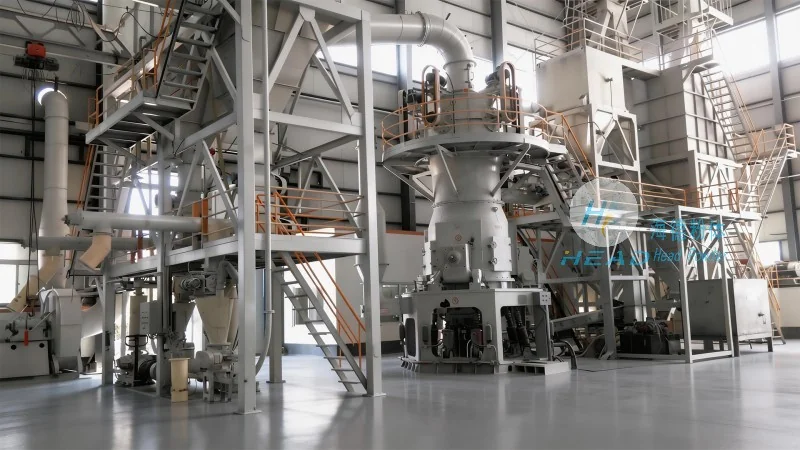
Key Components and Their Roles in the Equipment
Several critical components work together to make negative pressure material handling equipment functional. The vacuum pump is the heart of the system, responsible for creating the necessary negative pressure. It can be either a rotary vane pump or a Roots blower, depending on the required flow rate and pressure. The transport line, typically made of stainless steel or plastic, carries the material from the source to the destination. The inlet and outlet components, such as hoppers and valves, control the flow of material into and out of the system. Additionally, filters and cyclones are often included to separate any fine particles from the air stream, ensuring that the material is delivered in a clean and consistent manner.
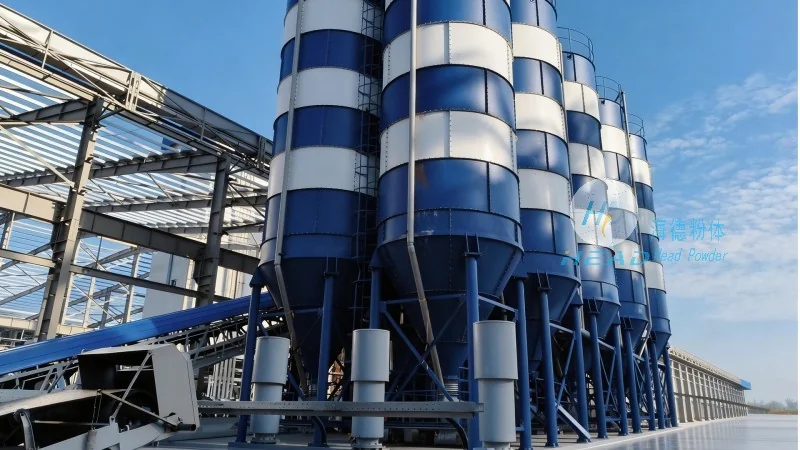
Practical Applications and Benefits of Using Negative Pressure Material Handling Equipment
Negative pressure material handling equipment finds applications in a wide range of industries. In the pharmaceutical industry, it is used to transport active pharmaceutical ingredients (APIs) and other sensitive powders, ensuring that the materials remain uncontaminated and are handled under controlled conditions. In food processing, the equipment is used to move ingredients like flour, sugar, and spices, maintaining hygiene and preventing cross-contamination. In chemical manufacturing, it handles various powders and granules, providing a safe and efficient method for material transfer. The benefits of using this equipment include improved safety by reducing dust exposure, increased efficiency through automated material handling, and cost savings by minimizing material waste and spillage.
About the Manufacturer: Shandong HeadPowder Engineering Co., Ltd.
Shandong HeadPowder Engineering Co., Ltd., a leading manufacturer in the field of material handling equipment, specializes in designing and producing high-quality negative pressure material handling systems. With a focus on innovation and customer satisfaction, the company has built a reputation for delivering reliable and efficient solutions tailored to the specific needs of various industries. HeadPowder's equipment is known for its durability, ease of maintenance, and adherence to international standards, making it a trusted choice for businesses seeking to enhance their material handling processes. The company's headquarters is located in Shandong, China, where it continues to develop cutting-edge technologies to meet the evolving demands of the market.