With more than 10‑year industry experience, Shandong Headpowder delivers full‑service pneumatic‑conveying systems and blowers, undertaking nationwide turn‑key powder‑handling projects.
An activated carbon granular material handling system is a specialized industrial solution designed to transport activated carbon granules efficiently and reliably. This system is widely used in various industries, including water treatment, air purification, and chemical processing, where activated carbon plays a crucial role in adsorption processes. The primary goal of such a system is to ensure the safe and efficient movement of activated carbon from storage to processing equipment, minimizing material loss and optimizing operational performance.
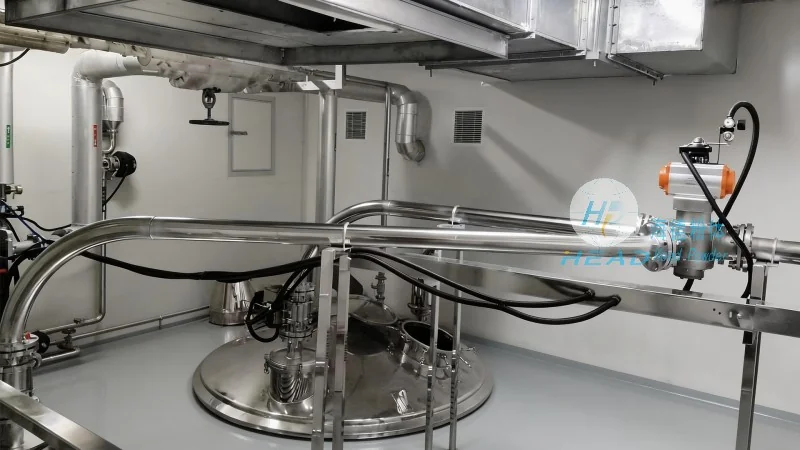
The design of an activated carbon granular material handling system is based on several critical principles to ensure optimal performance. The system typically consists of several key components, each playing a vital role in the overall operation. The main components include a hopper or storage bin for storing the activated carbon granules, a feeding mechanism to control the flow of material, a conveying system (such as pneumatic or mechanical conveyor) to transport the granules, and a dust collection or separation system to maintain air quality and prevent material loss.
One of the fundamental design principles is the minimization of material degradation and attrition during transport. Activated carbon granules are often fragile and can break down if subjected to excessive impact or abrasion. Therefore, the system is designed with smooth surfaces and gentle handling mechanisms to preserve the granule structure and adsorption capacity. Another key principle is the control of air flow and pressure within the conveying system. Proper air velocity and pressure are essential to prevent clogging and ensure consistent material flow. The system may also incorporate features like vibration or agitation to prevent material bridging or packing in the hopper, which can impede the feeding process.
There are several material handling methods used in activated carbon granular systems, each with its own advantages and applications. The most common method is pneumatic conveying, which uses air to transport the granules through a network of pipes. This method is particularly suitable for long-distance transport and can handle large volumes of material. Pneumatic systems can be further classified into positive pressure and negative pressure systems, depending on the direction of air flow. Positive pressure systems push the material through the pipes using compressed air, while negative pressure systems draw the material using a vacuum.
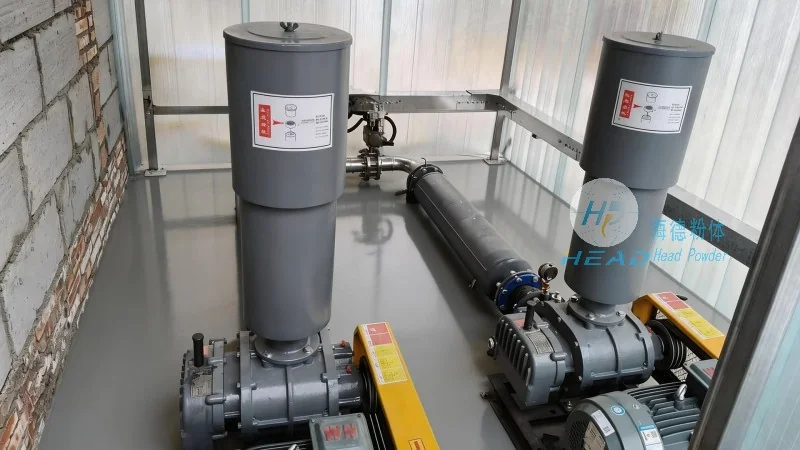
Another common method is mechanical conveying, which uses mechanical components like screws, belts, or buckets to move the granules. Mechanical systems are often preferred for short-distance transport or when the material needs to be handled in a closed environment. They are also suitable for transporting activated carbon that may be mixed with other materials or require additional processing steps. The choice of material handling method depends on factors such as the distance to be covered, the volume of material to be transported, the required flow rate, and the specific characteristics of the activated carbon granules.
An activated carbon granular material handling system is often integrated with other processing equipment, such as reactors, filters, or adsorption units. The design of the system must consider the overall process flow to ensure seamless integration and optimal performance. For example, the system may be designed to feed activated carbon directly into a water treatment reactor, where it will be used for removing contaminants like organic compounds or heavy metals. The integration of the material handling system with the processing equipment is critical to maintaining consistent material supply and preventing downtime.
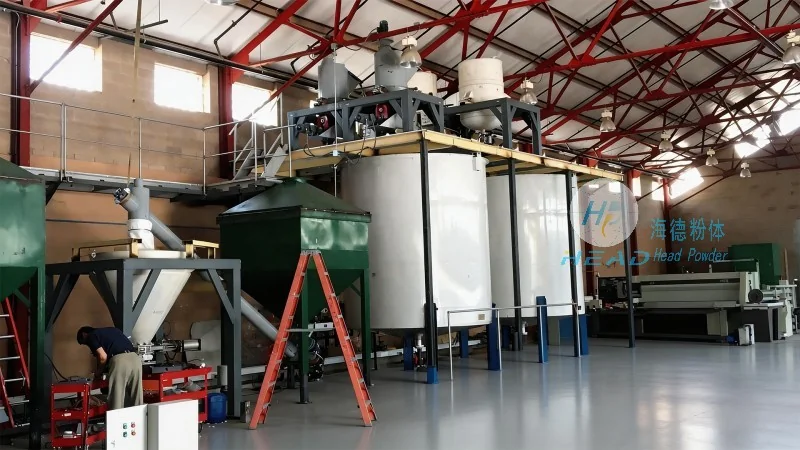
Process optimization is another important aspect of the system design. This involves adjusting various parameters, such as air pressure, flow rate, and feeding speed, to achieve the desired material flow and minimize energy consumption. The system may also incorporate sensors and control systems to monitor key parameters and adjust the operation in real-time. This helps to maintain consistent performance and reduce the risk of material blockages or system failures.
HeadPowder, a leading provider of engineering solutions, specializes in the design and manufacturing of activated carbon granular material handling systems. With years of experience in the industry, HeadPowder has developed a comprehensive range of systems tailored to meet the specific needs of various applications. The company's headquarters is located in Shandong, China, where it operates a state-of-the-art manufacturing facility and a dedicated research and development center.
HeadPowder's team of engineers and technicians has extensive knowledge and expertise in material handling systems, particularly for activated carbon. They work closely with clients to understand their specific requirements and provide customized solutions that meet their operational and performance needs. The company's commitment to quality and innovation has earned it a reputation as a trusted partner in the industry, providing reliable and efficient material handling solutions for its clients.

 Shandong Headpowder Engineering Co., Ltd.
 156-6277-7102(Manager Zhang)
  0531-83386006
  Zhangqiu District, Jinan City, Shandong Province, China
telephone
WeChatconsult
top