

What is a Lightweight Micropowder Material Handling System? What are its Design Principles?
In industrial applications, the efficient and reliable transportation of lightweight micropowder materials is crucial for maintaining production efficiency and product quality. This article explores the concept of a lightweight micropowder material handling system and delves into its core design principles, offering insights into how such systems are engineered to meet the unique challenges of handling fine, low-density powders.
Understanding the Lightweight Micropowder Material Handling System
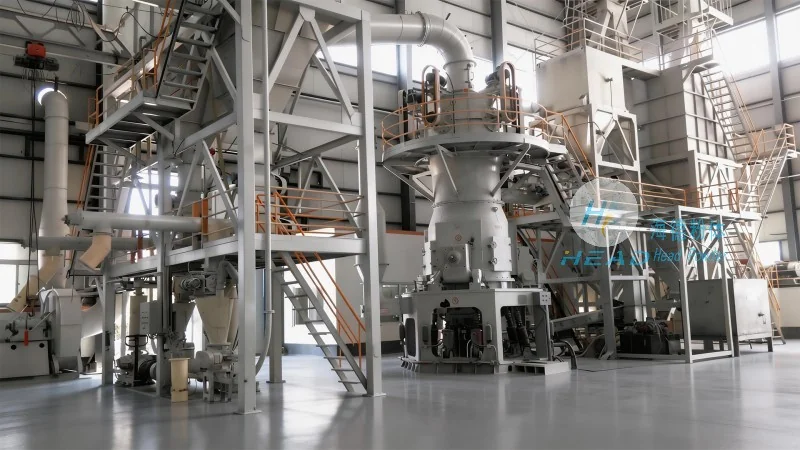
A lightweight micropowder material handling system is specifically designed to transport fine powders with low bulk density, such as talc, calcium carbonate, or other industrial powders. These materials often present challenges in traditional conveying methods due to their light weight, tendency to settle slowly, and susceptibility to air currents. The system is engineered to address these challenges by combining advanced mechanical components with optimized flow control mechanisms.
Core Design Principles of the System
The design principles of a lightweight micropowder material handling system revolve around several key factors. First, the system must ensure minimal air resistance and optimal particle suspension to prevent material segregation and blockages. This is achieved through the use of specialized conveying components like flexible hoses, air slides, or pneumatic conveying lines that maintain a consistent flow of material. Second, the system incorporates precise control mechanisms to regulate the speed and pressure of the conveying medium, ensuring that the material moves smoothly without causing excessive wear or degradation.
The Role of Material Properties in System Design
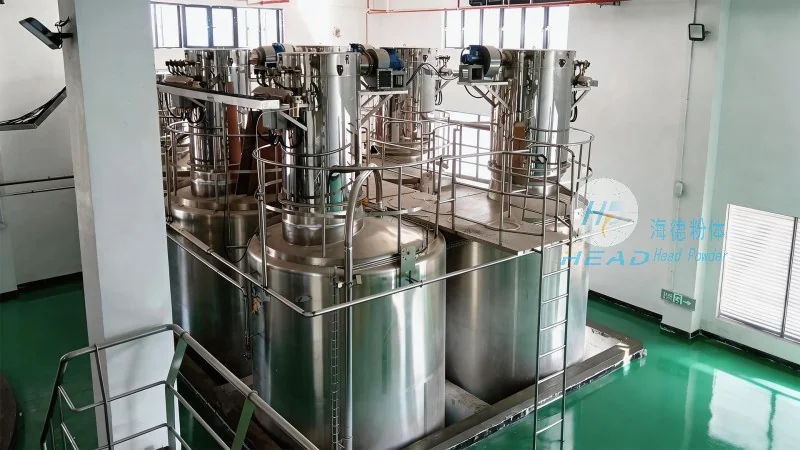
The physical and chemical properties of the micropowder material play a critical role in determining the system's design. For instance, materials with high moisture content may require additional drying or moisture control measures to prevent clumping or caking. Similarly, materials that are prone to static electricity may necessitate anti-static components or grounding systems to prevent material buildup and ensure safe operation. The system's design must therefore be tailored to accommodate these specific material characteristics.
Components and Technologies Used in the System
The lightweight micropowder material handling system typically incorporates a range of components, including feeders, conveyors, and control units. Feeders, such as rotary valves or vibratory feeders, are used to regulate the flow of material into the conveying system, ensuring a consistent feed rate. Conveyors, often pneumatic or mechanical, transport the material through the system, with pneumatic systems being particularly effective for fine powders due to their ability to handle low-density materials over long distances. Control units, equipped with sensors and automation software, monitor the system's performance and adjust parameters in real-time to maintain optimal operation.
Advantages of the Lightweight Micropowder Material Handling System
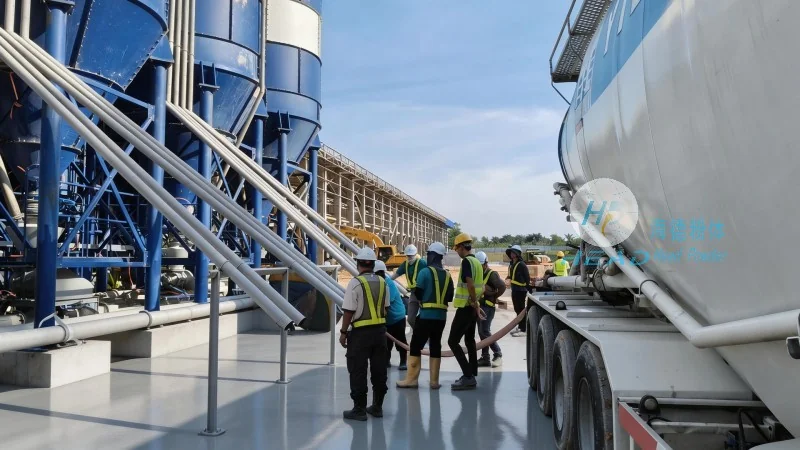
Implementing a lightweight micropowder material handling system offers several advantages for industrial operations. Firstly, it enhances production efficiency by reducing downtime caused by material blockages or segregation. Secondly, it improves product quality by preventing contamination and maintaining consistent particle size distribution. Thirdly, the system minimizes energy consumption compared to traditional bulk material handling methods, making it more cost-effective and environmentally friendly. Additionally, the modular design of such systems allows for easy integration with existing production lines and scalability to accommodate growing production needs.

HeadPowder's Expertise in Designing and Manufacturing
Shandong HeadPowder Engineering Co., Ltd., a leading manufacturer in the field, specializes in developing customized lightweight micropowder material handling systems tailored to the specific needs of various industries. With years of experience and a deep understanding of material handling technologies, HeadPowder's engineers work closely with clients to assess their material properties, production requirements, and operational constraints. This collaborative approach ensures that the final system is optimized for performance, reliability, and cost-effectiveness.
Customization and Integration Capabilities
HeadPowder offers comprehensive customization options to meet diverse application requirements. The company can design systems that integrate seamlessly with existing production infrastructure, including existing feeders, conveyors, or storage tanks. Additionally, HeadPowder provides after-sales support and maintenance services to ensure the long-term performance and reliability of the installed systems. By leveraging advanced engineering and manufacturing capabilities, HeadPowder delivers solutions that address the unique challenges of handling lightweight micropowder materials.