With more than 10‑year industry experience, Shandong Headpowder delivers full‑service pneumatic‑conveying systems and blowers, undertaking nationwide turn‑key powder‑handling projects.
Forage silage is a critical component in modern agricultural operations, serving as a vital feed source for livestock. The efficient handling and processing of this material are essential to maximize productivity and ensure the quality of the feed. This article explores the concept of a forage silage material handling system and delves into the fundamental design principles that underpin such systems.
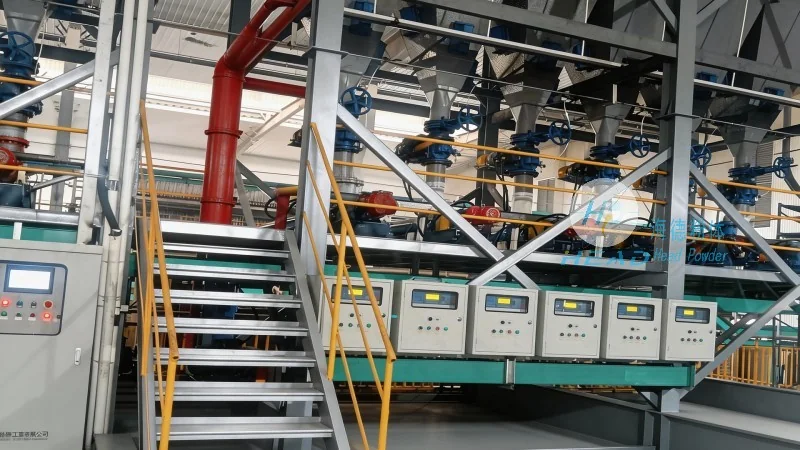
A forage silage material handling system is a specialized setup designed to manage the entire lifecycle of forage silage, from the initial collection of crops to the final storage and retrieval of the processed feed. These systems are integral to modern farming operations, as they streamline the workflow and reduce manual labor, thereby increasing overall efficiency. The system typically includes a range of equipment such as forage harvesters, choppers, conveyors, and silos, all working in tandem to ensure a consistent and high-quality feed supply for animals.
The design of a forage silage material handling system is guided by several key principles aimed at optimizing performance, durability, and operational efficiency. First, the system must prioritize automation to minimize human intervention and reduce the risk of errors. This includes the integration of advanced control systems that can monitor and adjust the flow of material in real-time. Second, durability is a critical factor, as the equipment is exposed to harsh environmental conditions and heavy usage. Materials such as stainless steel and robust polymers are commonly used to ensure longevity and resistance to corrosion and wear. Third, the system should be designed for scalability, allowing it to adapt to changing production needs and accommodate future expansions. Additionally, energy efficiency is a key consideration, with many modern systems incorporating energy-saving technologies to reduce operational costs.
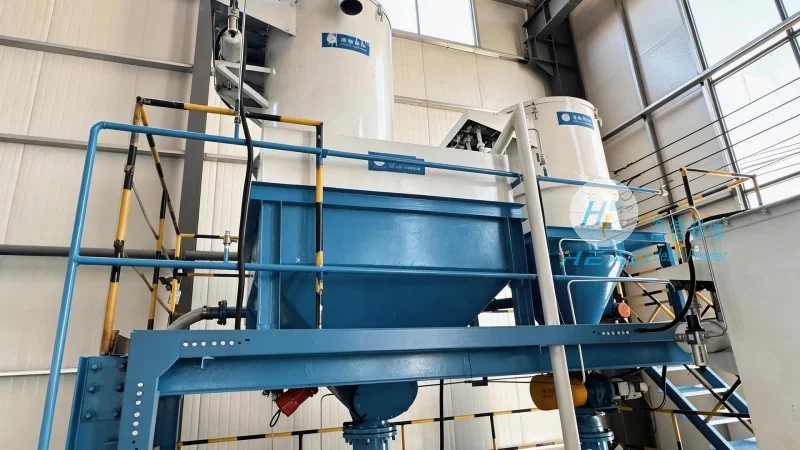
HeadPowder Engineering Co., Ltd., a leading manufacturer based in Shandong, China, specializes in the design, manufacturing, and supply of high-quality forage silage material handling systems. With years of experience in the agricultural machinery industry, HeadPowder has established itself as a trusted partner for farmers and agricultural businesses seeking reliable and efficient solutions. The company's headquarters and main production facilities are located in Shandong, China, where a team of skilled engineers and technicians work tirelessly to develop innovative products that meet the evolving needs of the agricultural sector. HeadPowder's commitment to quality and customer satisfaction is reflected in its comprehensive product line, which includes a wide range of equipment tailored to different farming requirements.
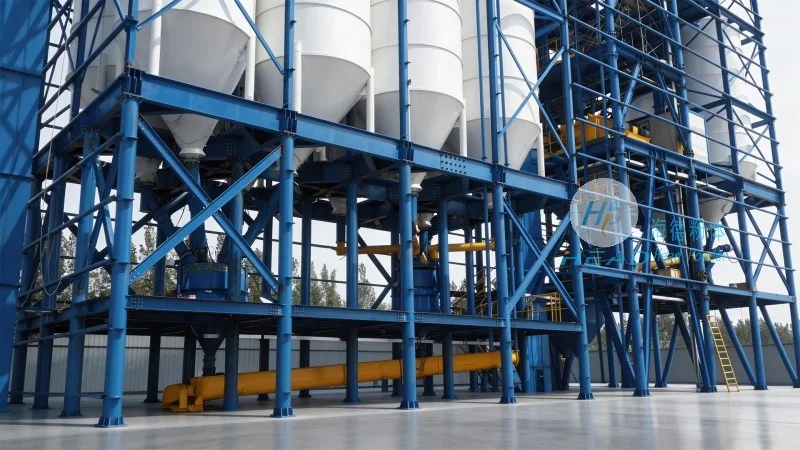
The effectiveness of a forage silage material handling system largely depends on its key components and features. A typical system begins with a forage harvester, which cuts and gathers the crops in the field. The harvested material is then processed by a chopper, which cuts the forage into small pieces to facilitate fermentation and storage. The chopped material is subsequently transported to a storage silo via a conveyor system, which may include belt conveyors, screw conveyors, or pneumatic conveyors, depending on the specific application. The silo itself is designed to maintain the anaerobic conditions necessary for proper silage fermentation, ensuring the preservation of nutrients and the prevention of spoilage. Advanced systems may also include sensors and monitoring devices that track parameters such as temperature, moisture content, and fermentation progress, providing real-time data to operators and enabling proactive maintenance.
In conclusion, forage silage material handling systems play a pivotal role in modern agricultural practices, enhancing efficiency, reducing labor costs, and ensuring the quality of livestock feed. The design principles that govern these systems, including automation, durability, scalability, and energy efficiency, are crucial for their successful implementation. Companies like HeadPowder Engineering Co., Ltd. continue to lead the way in developing cutting-edge solutions that meet the demands of the agricultural industry. By investing in a well-designed forage silage material handling system, farmers can optimize their operations, improve animal health, and ultimately increase their profitability.

 Shandong Headpowder Engineering Co., Ltd.
 156-6277-7102(Manager Zhang)
  0531-83386006
  Zhangqiu District, Jinan City, Shandong Province, China
telephone
WeChatconsult
top