With more than 10‑year industry experience, Shandong Headpowder delivers full‑service pneumatic‑conveying systems and blowers, undertaking nationwide turn‑key powder‑handling projects.
Chili powder, a staple in culinary arts worldwide, requires specialized handling systems to ensure efficient and safe processing. The material handling system for chili powder is a critical component in food processing facilities, designed to manage the unique properties of this spice. This article explores the concept of a chili powder material handling system and delves into the underlying design principles that make such systems effective.
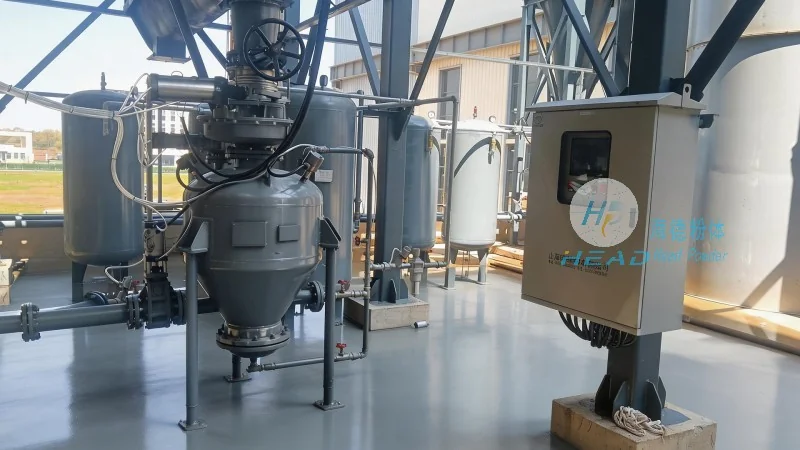
At its core, a chili powder material handling system is a collection of equipment and processes engineered to transport, store, and manage chili powder from raw ingredient to finished product. This system is tailored to address the specific challenges posed by chili powder, including its fine particle size, potential for caking, and sensitivity to moisture and temperature. The system typically integrates various components such as feeders, conveyors, storage silos, and control units, all working in harmony to maintain product quality and operational efficiency.
The effectiveness of a chili powder material handling system hinges on its key components, each designed to address specific operational needs. Feeders, for instance, are used to regulate the flow of chili powder from storage to processing equipment, ensuring consistent and controlled feeding rates. Conveyors, which may include screw conveyors, belt conveyors, or pneumatic systems, are responsible for transporting the powder through the facility. Storage silos or hoppers are essential for bulk storage, providing a stable environment that minimizes product degradation. Control systems, often equipped with sensors and automation, monitor and adjust the process parameters to maintain optimal conditions.
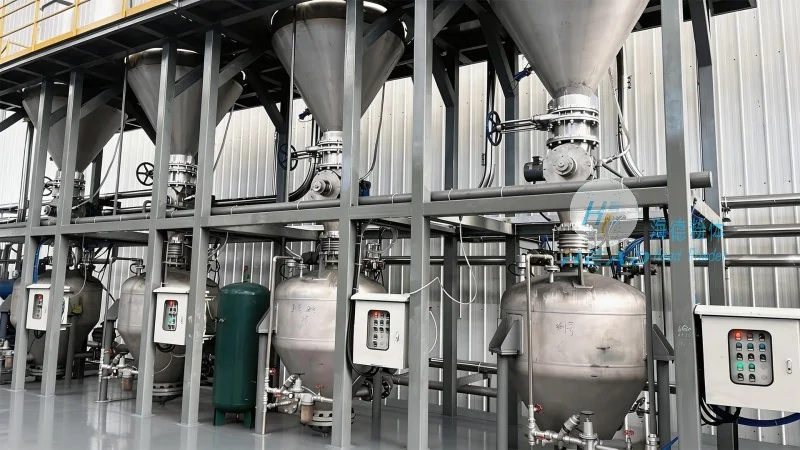
The design principles of a chili powder material handling system are guided by several key factors, including material properties, operational requirements, and safety considerations. One of the primary principles is the management of flow characteristics. Chili powder, being a fine powder, can exhibit flow behavior that ranges from free-flowing to cohesive, depending on moisture content and particle size. Designers must account for these variations to prevent issues like bridging, rat-holing, or uneven flow, which can lead to system downtime or product loss. The system is often designed with sloped surfaces and agitators to promote uniform flow and prevent material buildup.
Another critical design principle is the consideration of dust control and explosion safety. Chili powder is a combustible dust, and the system must incorporate measures to minimize dust generation and prevent the accumulation of explosive concentrations. This includes the use of explosion-proof equipment, dust collection systems, and proper ventilation. The design also emphasizes the use of materials that are non-reactive with the product, such as stainless steel or food-grade plastics, to avoid contamination and maintain product purity.
The design of a chili powder material handling system involves careful planning of the process flow to ensure seamless integration with other production stages. The system typically starts with the reception of raw chili powder, which is then transferred to storage silos. From there, the powder is fed to processing equipment, such as grinding or blending machines, where it may be combined with other ingredients. The processed chili powder is then conveyed to packaging units for final distribution. The entire process is often automated, with sensors and control systems monitoring each step to ensure consistency and quality.
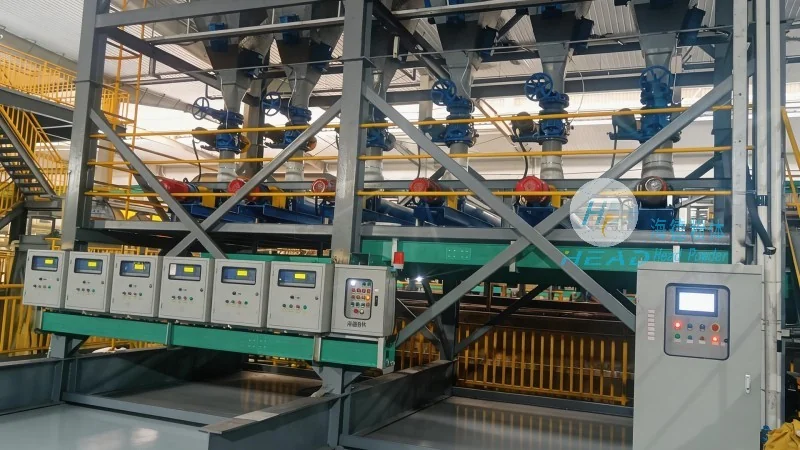
A properly designed chili powder material handling system offers numerous advantages for food processing operations. Firstly, it enhances operational efficiency by ensuring a continuous and reliable flow of material, reducing downtime and increasing production throughput. Secondly, it maintains product quality by minimizing exposure to moisture, temperature fluctuations, and contamination. The system also improves safety by incorporating dust control and explosion prevention measures, protecting both personnel and equipment. Additionally, the integration of automation and control systems allows for real-time monitoring and adjustment, enabling operators to quickly respond to any deviations in the process.
In conclusion, a chili powder material handling system is a sophisticated and essential component of modern food processing facilities. Its design is guided by principles that address the unique properties of chili powder, focusing on efficient flow management, dust control, and safety. By integrating specialized equipment and automation, such systems ensure the consistent and safe handling of chili powder, supporting the production of high-quality products. For businesses operating in the spice industry, investing in a well-designed material handling system is crucial for maintaining competitiveness and meeting the demands of a global market.

 Shandong Headpowder Engineering Co., Ltd.
 156-6277-7102(Manager Zhang)
  0531-83386006
  Zhangqiu District, Jinan City, Shandong Province, China
telephone
WeChatconsult
top