With more than 10‑year industry experience, Shandong Headpowder delivers full‑service pneumatic‑conveying systems and blowers, undertaking nationwide turn‑key powder‑handling projects.
HeadPowder, a leading provider in the field of material handling solutions, specializes in the efficient and reliable transportation of oat flour. As a key component in the food processing industry, oat flour requires specialized handling systems to maintain its quality and prevent degradation. This article explores the fundamental aspects of oat flour material handling and the underlying design principles that ensure optimal performance.
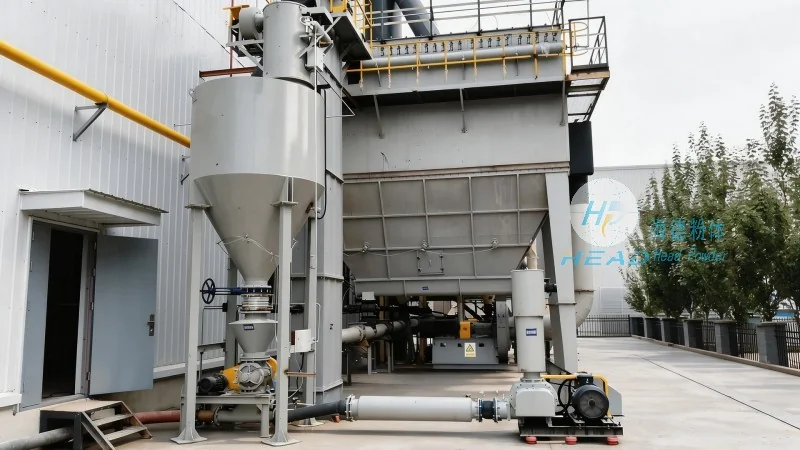
Oat flour material handling refers to the processes and equipment used to move oat flour from one location to another within a production facility or between different stages of processing. This includes receiving, storing, conveying, and packaging the flour. The primary goal is to ensure that the flour remains in optimal condition, free from contamination, moisture, or degradation, which could affect its nutritional value and end-use properties.
Before delving into the design principles, it is essential to understand the physical and chemical properties of oat flour that influence its handling. Oat flour is typically a fine powder with a relatively high moisture content and a tendency to absorb moisture from the air, leading to caking or clumping. Its particle size distribution can vary, and the flour may have a certain level of oil content, which affects its flowability and friction characteristics. These factors necessitate the use of equipment that can handle these specific properties without compromising the product's quality.
The design of oat flour material handling systems is guided by several critical principles aimed at preserving the flour's integrity and ensuring efficient operation. The first principle is the use of equipment that minimizes product exposure to air and moisture. This often involves enclosed systems, such as sealed conveyor belts or pneumatic conveying lines, to prevent contamination and maintain consistent moisture levels. Another key principle is the selection of materials that are non-reactive and easy to clean, as oat flour can adhere to surfaces and require thorough sanitation to prevent cross-contamination.
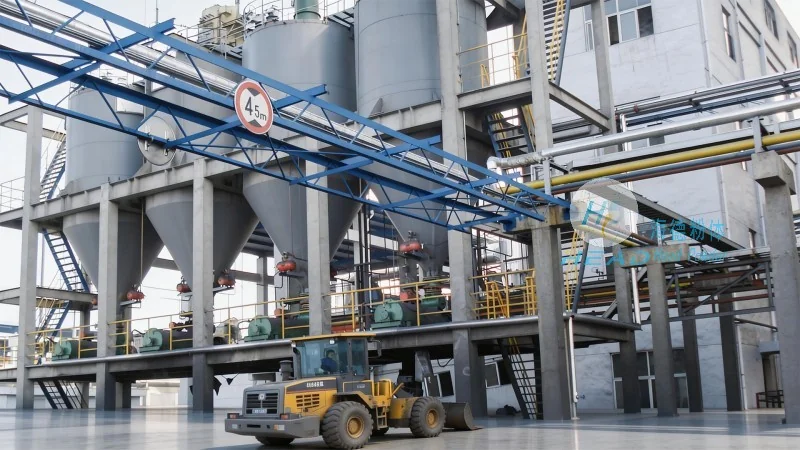
A third important principle is the consideration of flowability and friction. Oat flour's properties may lead to issues like bridging or rat-holing in hoppers and silos. To mitigate this, designers incorporate features like agitators, vibrators, or inclined chutes to promote smooth flow. Additionally, the design must account for the potential for dust generation, which requires effective dust control measures, such as filtration systems or enclosed enclosures, to protect both the product and the environment.
Several types of equipment are commonly used in oat flour material handling, each with specific applications and advantages. For horizontal or slight incline transport, screw conveyors are often employed. These systems use rotating screws to move the flour through a tube, providing a compact and enclosed solution that minimizes dust and moisture exposure. For longer distances or vertical lifts, pneumatic conveying systems are preferred. These systems use air pressure to transport the flour in a sealed pipeline, allowing for high-speed and low-loss transfer while maintaining product integrity.
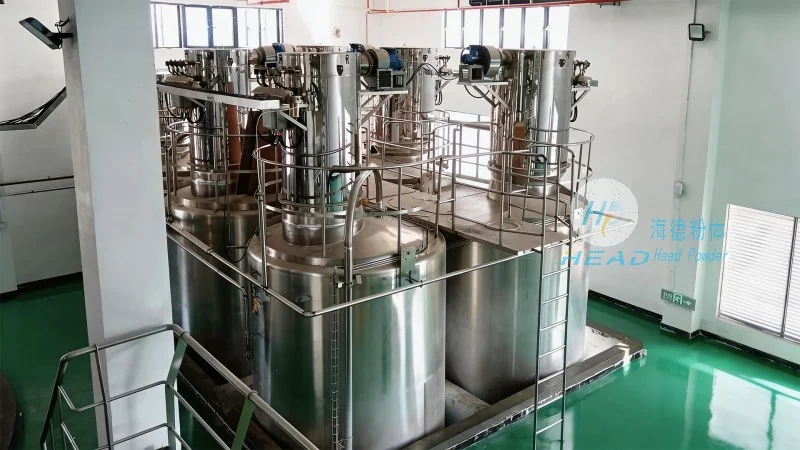
Another common equipment choice is the use of bucket elevators for vertical transport. These systems use buckets attached to a chain or belt to lift the flour from lower to higher levels, offering a reliable and efficient method for vertical movement. In storage applications, silos and hoppers are used, often equipped with agitators or vibrators to prevent caking and ensure consistent discharge. The selection of equipment depends on factors such as the volume of flour to be handled, the distance between locations, and the specific requirements of the production process.
Proper design and regular maintenance are crucial for the long-term effectiveness of oat flour material handling systems. A well-designed system ensures that the flour is handled gently, preventing damage to its particles and preserving its nutritional and functional properties. Regular maintenance, including cleaning, lubrication, and inspection of components, is essential to prevent wear and tear, which can lead to inefficiencies and product contamination. HeadPowder, with its expertise in material handling solutions, emphasizes the importance of both initial design and ongoing maintenance to ensure that oat flour handling systems operate at peak performance.
In conclusion, oat flour material handling is a specialized field that requires careful consideration of the product's unique properties and the application of sound design principles. By using appropriate equipment and maintaining systems properly, manufacturers can ensure the efficient and safe transportation of oat flour while preserving its quality. As a trusted provider in this industry, Shandong HeadPowder Engineering Co., Ltd. offers comprehensive material handling solutions tailored to the specific needs of oat flour processing, helping businesses maintain high standards of product quality and operational efficiency.

 Shandong Headpowder Engineering Co., Ltd.
 156-6277-7102(Manager Zhang)
  0531-83386006
  Zhangqiu District, Jinan City, Shandong Province, China
telephone
WeChatconsult
top