

[MULTI-HOPPER PNEUMATIC CONVEYING SYSTEM: WHAT IT IS AND ITS DESIGN PRINCIPLES]
Multi-hopper pneumatic conveying systems represent a sophisticated solution for the efficient handling and transportation of bulk powders and granular materials. These systems are widely utilized across various industries, including food processing, pharmaceuticals, chemicals, and minerals, due to their ability to transport materials over long distances with minimal product degradation and contamination. The core of such a system is the multi-hopper pump, which serves as the central component for material feeding and pressurization.
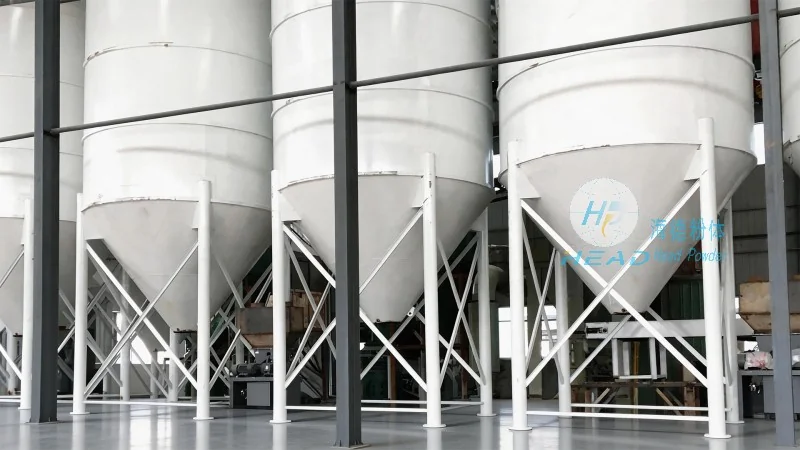
Understanding the Multi-Hopper Pneumatic Conveying System
A multi-hopper pneumatic conveying system is a type of pneumatic conveying equipment designed to transport bulk materials from a source to a destination through a pressurized air or gas stream. The system typically consists of multiple hoppers, each containing a different material or a portion of the same material, and a series of pipelines that connect these hoppers to the conveying line. The primary function of the multi-hopper pump is to create a pressure differential that propels the material through the system. This design allows for the simultaneous or sequential transport of multiple materials, making it highly versatile for complex material handling applications.
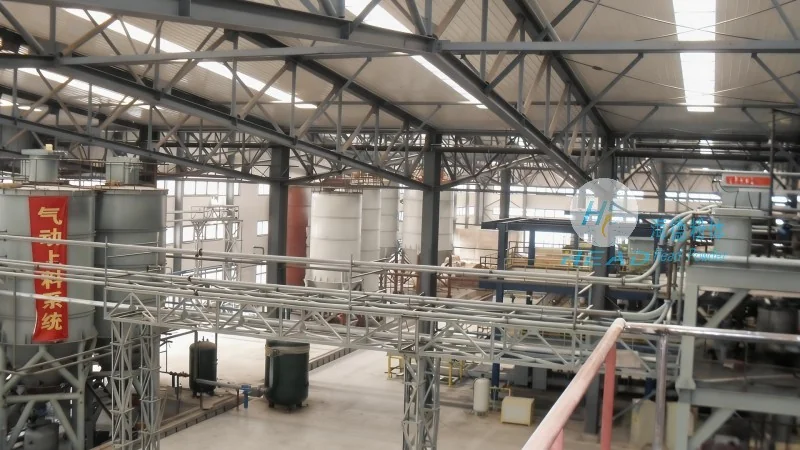
Design Principles and Operational Mechanism
The design of a multi-hopper pneumatic conveying system is based on several key principles that ensure efficient and reliable operation. The most critical component is the multi-hopper pump, which operates by drawing material from the hoppers and compressing it with air or gas to create a high-pressure environment. The pump then forces the material through the conveying pipeline to the discharge point. The system's design considers factors such as material properties (e.g., density, flowability, moisture content), conveying distance, and required flow rate to optimize performance. For example, the selection of the appropriate air velocity and pressure is crucial to prevent material segregation or blockages in the pipeline. Additionally, the system incorporates features like air filtration and separation to maintain product purity and system efficiency.
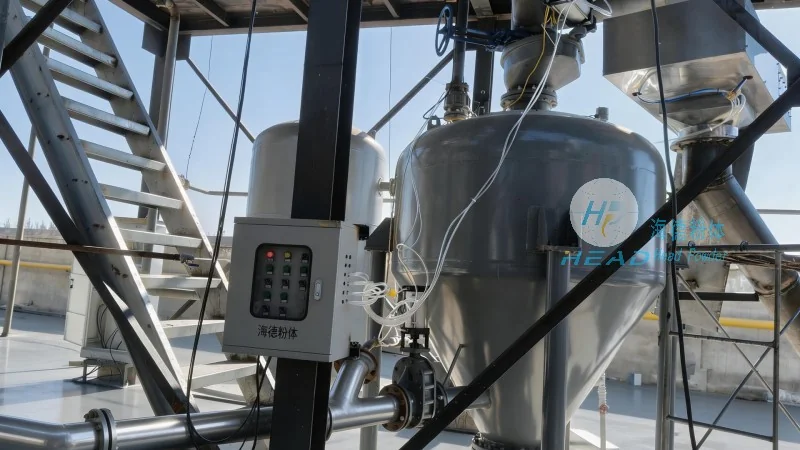
Key Components and Their Roles
Several key components make up a multi-hopper pneumatic conveying system, each playing a vital role in the overall operation. The hoppers are designed to store and feed the bulk material, with features such as agitators or vibrators to ensure consistent material flow. The multi-hopper pump, as mentioned earlier, is responsible for creating the pressure differential and transporting the material. The conveying pipelines are typically made of materials like stainless steel or plastic, chosen based on the material being conveyed and the system's operating conditions. The discharge unit, where the material is released from the pipeline, may include filters or cyclones to separate any entrained air or fine particles. Finally, the control system manages the operation of the entire system, including the pump speed, air pressure, and material flow rates, ensuring smooth and efficient operation.
Applications and Benefits
Multi-hopper pneumatic conveying systems are employed in a wide range of applications due to their versatility and efficiency. In the food industry, they are used to transport ingredients like flour, sugar, and spices, maintaining product quality and hygiene. In the pharmaceutical sector, they handle active pharmaceutical ingredients (APIs) and excipients, ensuring that the materials are handled in a sterile and controlled environment. In the chemical industry, they transport powders such as pigments, polymers, and catalysts, preventing contamination and material degradation. The benefits of these systems include reduced labor costs, increased throughput, and improved safety compared to traditional bulk handling methods. Additionally, the ability to transport multiple materials simultaneously reduces the need for separate handling equipment, streamlining the overall process.
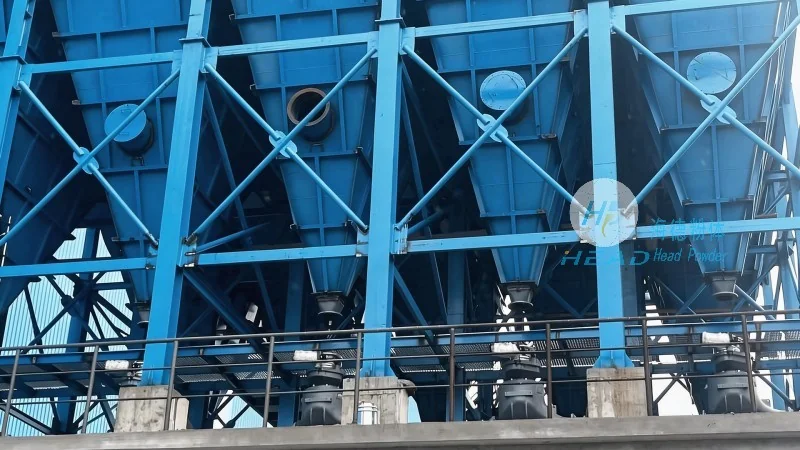
About Shandong HeadPowder Engineering Co., Ltd.
Shandong HeadPowder Engineering Co., Ltd., commonly known as HeadPowder, is a leading manufacturer and supplier of advanced pneumatic conveying systems and bulk material handling solutions. With a strong focus on innovation and customer satisfaction, HeadPowder has established itself as a trusted partner in the industry. The company's products are designed to meet the specific needs of various applications, ensuring optimal performance and reliability. HeadPowder's team of experts provides comprehensive support, from system design and installation to maintenance and after-sales service. The company's commitment to quality and customer-centric solutions has made it a preferred choice for businesses seeking efficient and reliable bulk material handling solutions.