

What is a Wool Material Conveying Line? And What Are Its Design Principles?
Wool material conveying lines are specialized systems engineered to handle the transportation of wool and related materials efficiently and safely. These lines are crucial in textile processing facilities, where the proper movement of raw wool is essential for subsequent processing steps like cleaning, carding, and spinning. Shandong HeadPowder Engineering Co., Ltd., a leading manufacturer in this field, specializes in designing and supplying high-quality conveying lines tailored to the unique needs of textile operations.
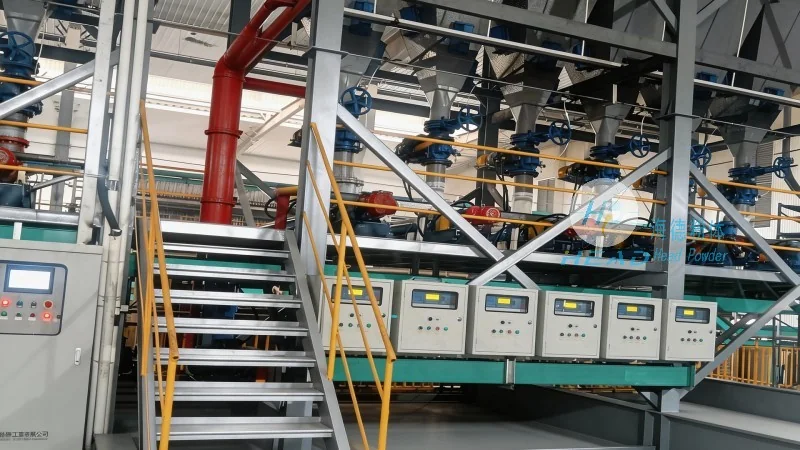
Key Components of Wool Material Conveying Lines
The core components of a wool material conveying line typically include feed hoppers, conveyor belts or rollers, control systems, and material handling equipment. Feed hoppers are used to store and feed the raw wool into the system, ensuring a consistent flow. Conveyor belts or rollers are the primary means of transporting the wool through the line, with designs tailored to minimize material damage and maintain cleanliness. Control systems, often integrated with sensors and automation, regulate the speed and direction of the conveyor, ensuring precise material handling. Additionally, material handling equipment such as elevators or sorters may be included to manage different types of wool or to direct the material to specific processing stations.
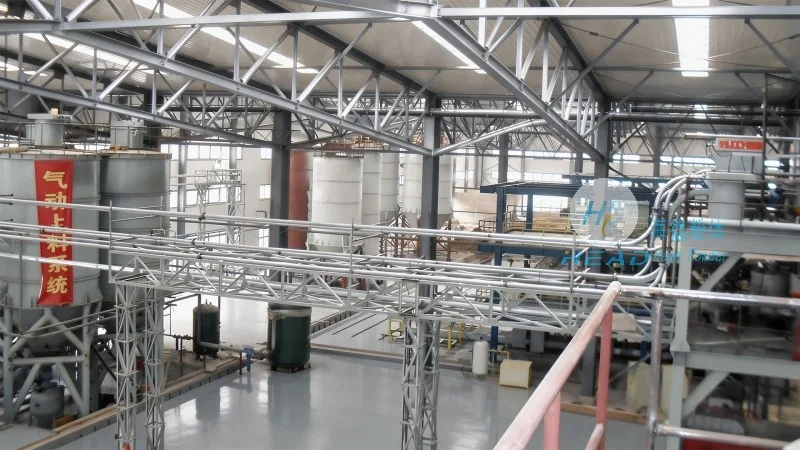
Design Principles for Efficient Wool Material Conveying
The design of a wool material conveying line is guided by several key principles aimed at maximizing efficiency, minimizing material loss, and ensuring operational safety. One primary principle is the minimization of material degradation during transport. This is achieved through the use of gentle handling mechanisms, such as low-speed rollers or soft conveyor surfaces, which prevent the wool fibers from breaking or becoming tangled. Another critical principle is the maintenance of material cleanliness. Conveying lines are often equipped with filtration systems or cleaning mechanisms to remove debris, dust, or foreign materials from the wool, ensuring that only pure fibers are processed further. Additionally, the design emphasizes energy efficiency, with adjustable speed controls and energy-saving components that reduce operational costs over time.
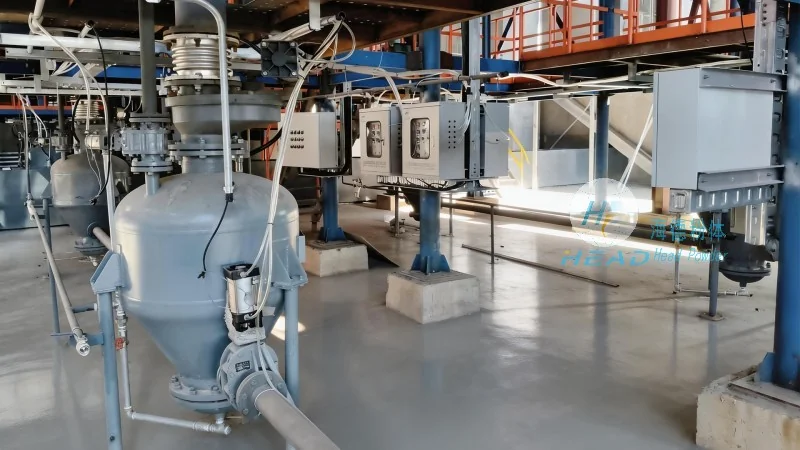
Integration with Textile Processing Workflows
Wool material conveying lines are designed to seamlessly integrate with broader textile processing workflows. They typically connect to upstream processes like wool bale opening or cleaning, and downstream processes such as carding or spinning. The line's design ensures that the wool is transported in a continuous, controlled manner, reducing bottlenecks and improving overall production throughput. For example, in a typical textile plant, the conveying line may transport wool from a storage area to a cleaning machine, where it is then processed before moving to the next stage. This integration allows for a smooth transition between processes, enhancing the efficiency of the entire production line.
Customization and Scalability
Wool material conveying lines are often customized to meet the specific needs of individual textile facilities. Factors such as the volume of wool to be processed, the type of wool (e.g., fine or coarse), and the existing infrastructure of the plant are considered during the design phase. This customization ensures that the line is optimized for the particular production requirements, whether it's for a small-scale operation or a large industrial facility. Additionally, many conveying lines are designed with scalability in mind, allowing for future expansion or integration with additional processing equipment as the business grows.
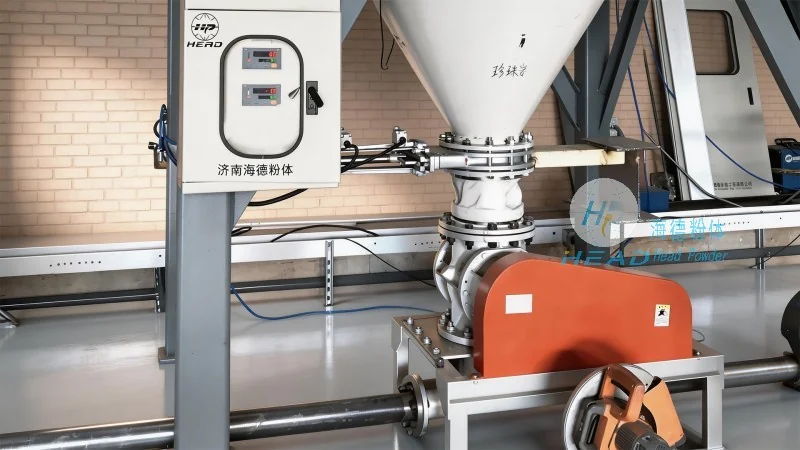
Operational Considerations and Maintenance
Effective operation of a wool material conveying line requires careful attention to maintenance and operational practices. Regular maintenance, including cleaning of conveyor components, inspection of rollers and belts, and calibration of control systems, is essential to prevent downtime and ensure consistent performance. Additionally, operators must be trained to handle the equipment properly, ensuring that the wool is transported without damage and that the system operates efficiently. Proper maintenance not only extends the lifespan of the equipment but also contributes to the quality of the final textile products by maintaining the integrity of the wool fibers.