With more than 10‑year industry experience, Shandong Headpowder delivers full‑service pneumatic‑conveying systems and blowers, undertaking nationwide turn‑key powder‑handling projects.
Understanding the paper sheet material conveying line and its design principles is crucial for industries that handle paper products efficiently. This article provides an in-depth look at the components, functionality, and engineering considerations behind such systems, presented by Shandong HeadPowder Engineering Co., Ltd., a leading provider based in Shandong, China.
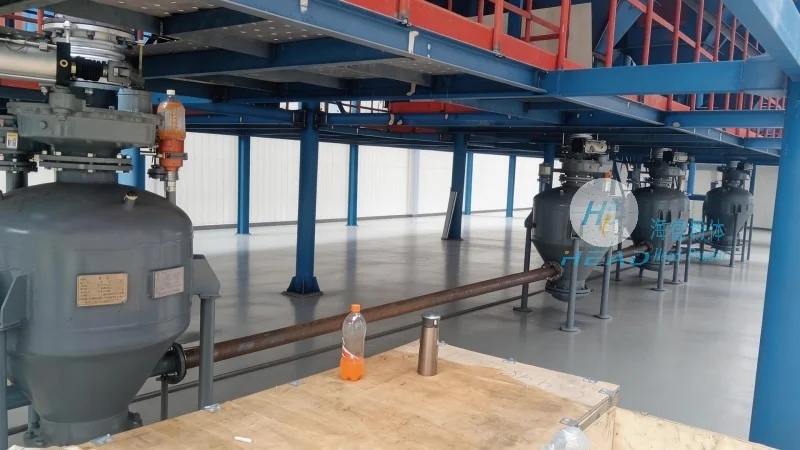
A paper sheet material conveying line is a specialized system designed to transport flat, sheet-like materials, such as paper, cardboard, or similar substrates, from one location to another within a manufacturing or processing facility. These lines are integral to various industries, including printing, packaging, and paper production, where the smooth and efficient movement of paper sheets is essential for maintaining production flow and reducing manual handling.
The core components of a paper sheet material conveying line typically include feed mechanisms, conveyors, guiding systems, and control units. The feed mechanism, often a hopper or a roll feed system, ensures that paper sheets are introduced into the line uniformly. Conveyors, which may be belt-driven, roller-based, or chain-driven, provide the primary motion to move the sheets along the path. Guiding systems, such as rollers, idlers, or adjustable guides, maintain the alignment and prevent jamming or misalignment of the sheets. Control units, equipped with sensors and programmable logic controllers (PLCs), monitor the system's operation, adjust speeds, and ensure safety protocols are followed.
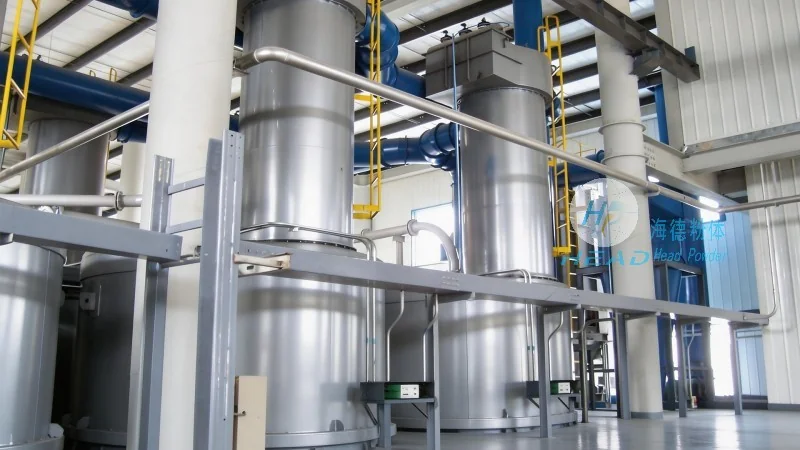
The design of a paper sheet material conveying line is guided by several key principles aimed at maximizing efficiency, reliability, and adaptability. First, the system must accommodate the specific dimensions and weight of the paper sheets being handled, ensuring that the components can support and move the load without excessive wear or damage. Second, the conveyor's speed and acceleration must be optimized to match the production rate, minimizing downtime and ensuring that the line can handle varying throughput demands. Third, the design incorporates features to prevent paper jams, such as anti-jam rollers, tension controls, and automatic shut-off mechanisms, which are critical for maintaining continuous operation.
Engineering considerations play a vital role in the design of a paper sheet material conveying line. Material selection for components, such as the conveyor belts or rollers, is crucial to withstand the abrasive nature of paper and maintain durability. The system's layout and integration with other machinery, like cutting or printing equipment, must be carefully planned to ensure seamless workflow. Additionally, the inclusion of safety features, such as emergency stop buttons and protective guards, is essential to protect operators and comply with industrial safety standards.
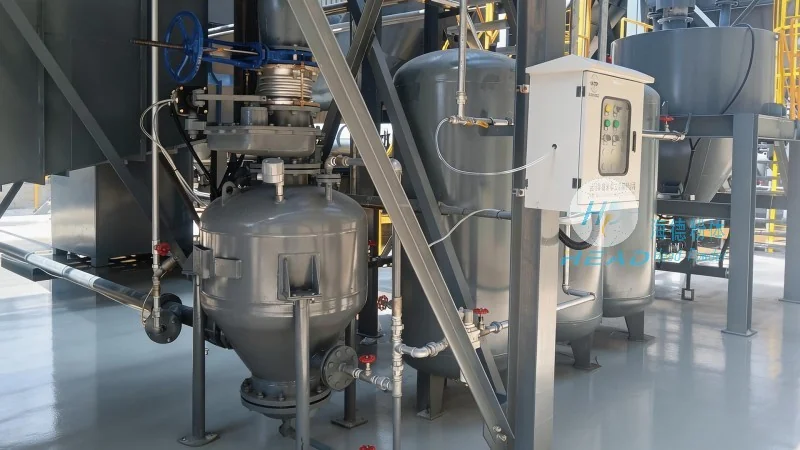
Paper sheet material conveying lines are widely used in industries where the handling of paper products is central to operations. In the printing industry, these lines transport paper sheets to printing presses, ensuring consistent and high-quality output. In packaging, they move cardboard sheets to cutting and folding machines, facilitating the production of boxes and other packaging materials. The efficiency of these systems directly impacts production speed, cost-effectiveness, and overall operational performance, making them indispensable in modern manufacturing environments.
Shandong HeadPowder Engineering Co., Ltd. specializes in the design and manufacturing of paper sheet material conveying lines, leveraging advanced engineering principles to deliver reliable and efficient solutions for various industrial applications. By understanding the key components and design principles discussed, businesses can optimize their material handling processes, enhance productivity, and maintain a competitive edge in their respective markets.

 Shandong Headpowder Engineering Co., Ltd.
 156-6277-7102(Manager Zhang)
  0531-83386006
  Zhangqiu District, Jinan City, Shandong Province, China
telephone
WeChatconsult
top