With more than 10‑year industry experience, Shandong Headpowder delivers full‑service pneumatic‑conveying systems and blowers, undertaking nationwide turn‑key powder‑handling projects.
In the food processing and seasoning manufacturing industries, efficient material handling is crucial for maintaining production efficiency and product quality. A spice material conveying system is a specialized piece of equipment designed to transport bulk spice powders and granules from one location to another within a production facility. These systems are essential for processes such as ingredient mixing, packaging, and storage, ensuring that spices are moved safely, hygienically, and with minimal loss or contamination.
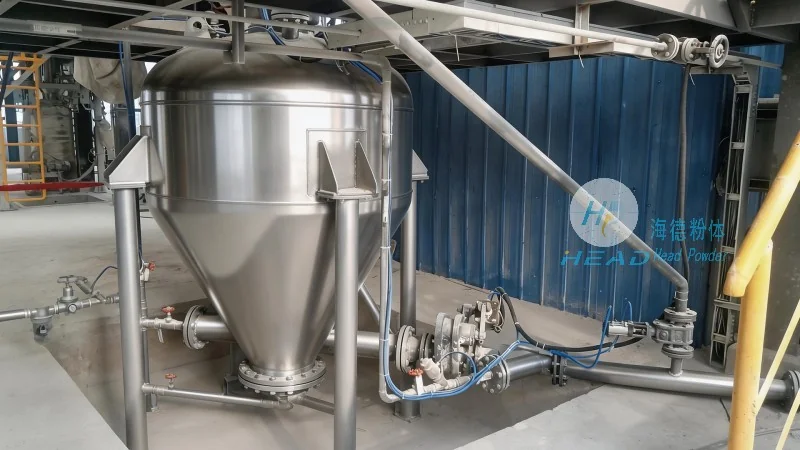
HeadPowder, a leading engineering company based in Shandong, China, specializes in the design, manufacturing, and integration of such conveying systems. With years of experience in the industry, HeadPowder understands the unique challenges of handling delicate and often hygroscopic spice materials, and their solutions are tailored to meet the specific needs of clients in the food and seasoning sector.
A spice material conveying system is a mechanical or pneumatic system engineered to transport bulk quantities of spice powders or granules. Unlike general-purpose conveying equipment, these systems are specifically designed to handle the unique properties of spices, including their fine particle size, potential for dust generation, and sensitivity to moisture and temperature. The primary goal of such a system is to move materials from raw ingredient storage to processing lines, packaging stations, or storage silos with precision and reliability.
The core components of a typical spice material conveying system include a drive unit, a conveying element (such as a screw, belt, or air duct), a control panel, and supporting structures. The drive unit provides the necessary power to move the material, while the conveying element is the heart of the system, responsible for actual material transport. For example, a screw conveyor uses a rotating helical screw to push material forward, while a pneumatic conveyor uses compressed air to carry particles through a pipeline.
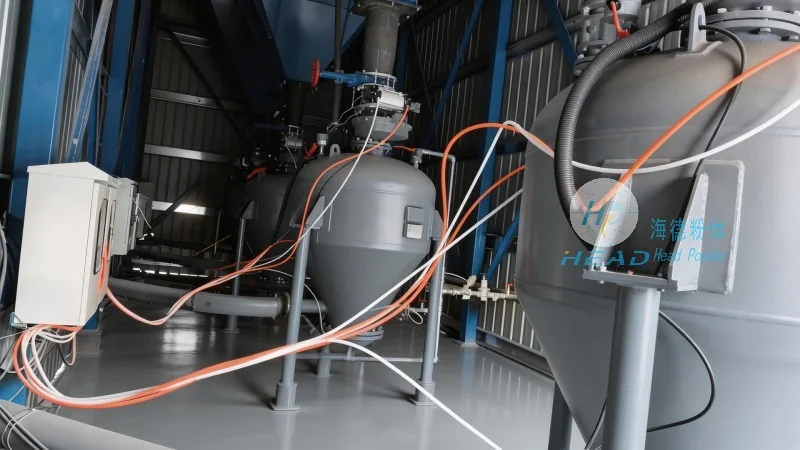
HeadPowder’s systems often incorporate advanced features such as variable speed drives, which allow for precise control over material flow rates, and dust collection systems to maintain a clean and safe working environment. The design also considers factors like material compatibility, ensuring that components are made from materials that do not react with the spices or compromise their quality.
The design of a spice material conveying system is guided by several key principles to ensure optimal performance. First, the system must be hygienic and easy to clean, as spices are often used in food products where contamination is unacceptable. HeadPowder’s systems typically feature smooth, non-porous surfaces and removable parts that can be sanitized regularly, adhering to food safety standards like GMP (Good Manufacturing Practice).
Second, the system must be efficient in terms of energy consumption and material throughput. This involves selecting the appropriate conveying method based on the material’s characteristics. For example, for fine powders that are prone to clogging, a pneumatic conveyor with a positive pressure system may be more effective than a screw conveyor. The design also considers the system’s capacity, ensuring it can handle the required volume of material without bottlenecks.
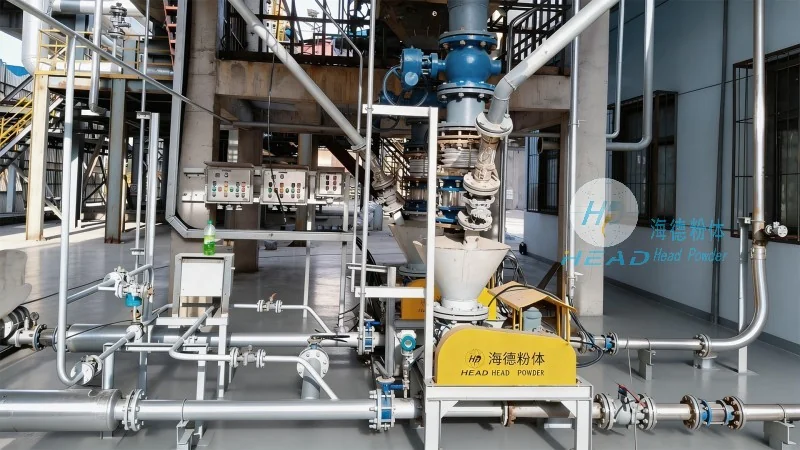
Third, the system must be reliable and durable. Since spice processing operations run continuously, the conveying equipment must withstand heavy use and potential wear from abrasive particles. HeadPowder uses high-quality materials, such as stainless steel for contact parts, to ensure long service life and minimal maintenance.
Spice material conveying systems are widely used in various stages of the seasoning production process. In the raw material handling stage, they transport bulk spices from storage silos to processing lines. During the mixing stage, they help blend different spices into uniform flavor profiles. In the packaging stage, they deliver spices to filling machines or packaging lines, ensuring consistent and accurate dosing.
For example, in a pepper processing plant, a screw conveyor might be used to move ground black pepper from a storage bin to a mixing tank, while a pneumatic conveyor could transport whole peppercorns to a grinding machine. In a spice blend manufacturing facility, a combination of both screw and pneumatic conveyors might be used to handle different types of ingredients, from coarse herbs to fine powders.
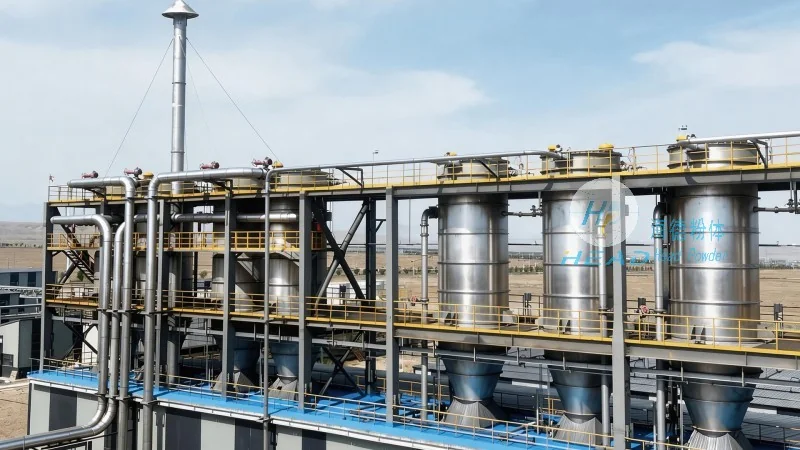
Choosing a specialized engineering company like HeadPowder for your spice material conveying system offers several advantages. First, their expertise in the industry allows them to design systems that are tailored to the specific properties of your spices, ensuring optimal performance and minimal material loss. Second, their systems are built to meet international food safety standards, providing peace of mind for clients in the food industry.
Third, HeadPowder provides comprehensive support, from initial system design and installation to ongoing maintenance and troubleshooting. Their team of engineers works closely with clients to understand their production needs and develop customized solutions that improve efficiency and reduce operational costs.
With a base in Shandong, China, HeadPowder leverages local manufacturing capabilities to deliver high-quality, cost-effective solutions. Their commitment to quality and customer satisfaction has made them a trusted partner for many companies in the global food and seasoning industry.

 Shandong Headpowder Engineering Co., Ltd.
 156-6277-7102(Manager Zhang)
  0531-83386006
  Zhangqiu District, Jinan City, Shandong Province, China
telephone
WeChatconsult
top