

What is Corn Material Handling? Understanding Its Design Principles
Corn material handling refers to the processes and systems used to move, store, and manage corn and related agricultural products from the field to processing facilities or storage areas. This essential operation is integral to the agricultural supply chain, ensuring that corn can be efficiently transported while maintaining its quality and integrity. Understanding the principles behind corn material handling is crucial for optimizing agricultural operations and enhancing overall productivity.
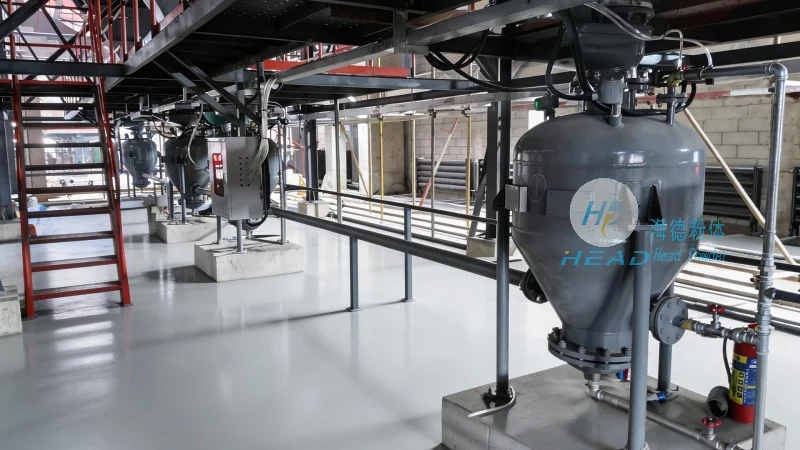
What is Corn Material Handling? An Overview
Corn material handling encompasses a range of activities, from harvesting and drying to transporting and storing. It involves various equipment and methods designed to handle the unique characteristics of corn, such as its size, moisture content, and bulk density. The goal is to minimize losses, reduce labor costs, and streamline the flow of corn from the farm to the market. Effective corn material handling systems are critical for both small-scale and large-scale agricultural operations, as they directly impact the profitability and sustainability of corn production.
The Core Design Principles Behind Corn Material Handling Systems
The design of corn material handling systems is guided by several key principles aimed at maximizing efficiency and minimizing operational challenges. These principles include: ensuring proper flow and movement of corn through the system, maintaining consistent moisture levels to prevent spoilage, and utilizing equipment that can handle the bulk nature of corn without causing damage. Additionally, the design must consider factors like space constraints, energy efficiency, and the need for easy maintenance. By adhering to these principles, engineers and agricultural professionals can develop systems that are both effective and cost-effective.
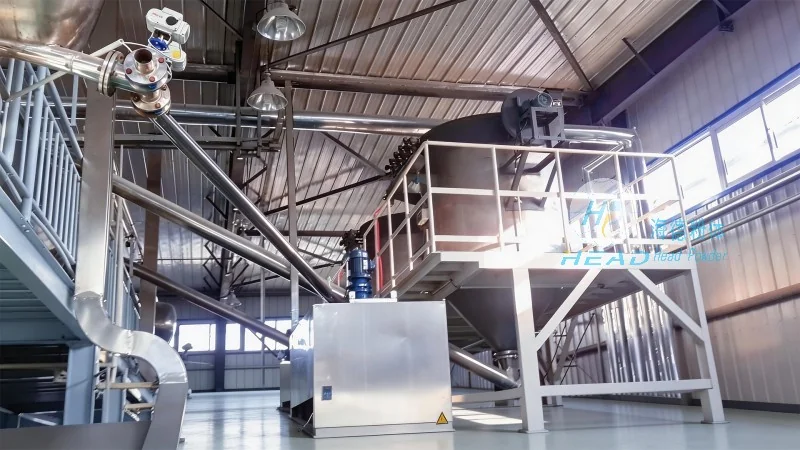
Key Components and Their Roles in Efficient Corn Material Transport
Efficient corn material handling relies on a combination of components that work in harmony to achieve optimal performance. These components typically include conveyors, elevators, storage silos, and loading/unloading equipment. Conveyors, such as belt or chain conveyors, are commonly used to transport corn over short to medium distances. Elevators, including bucket elevators and screw conveyors, are essential for vertical movement, allowing corn to be lifted to higher levels for storage or processing. Storage silos, often made of metal or concrete, provide a secure and controlled environment for storing corn, protecting it from weather and pests. Loading and unloading equipment, like bucket trucks or mobile loaders, facilitate the transfer of corn between different stages of the handling process. Each component plays a vital role in ensuring that corn moves smoothly and safely through the system.
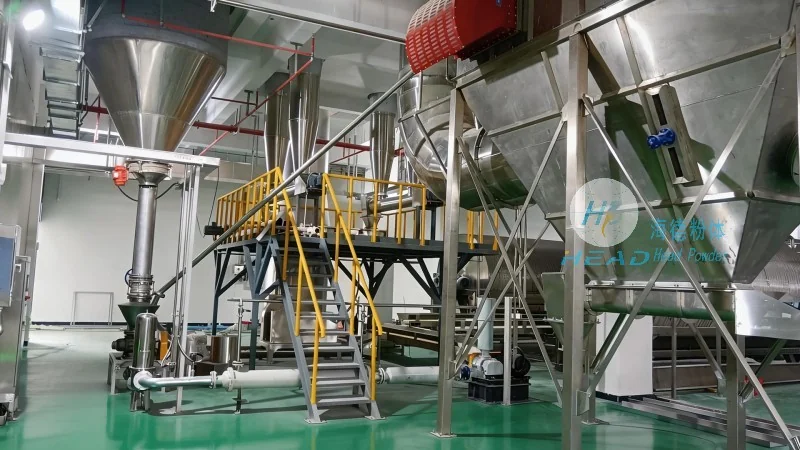
How Shandong HeadPowder Engineering Co., Ltd. Specializes in Corn Material Handling Solutions
Shandong HeadPowder Engineering Co., Ltd., a leading provider of agricultural engineering solutions, specializes in designing and manufacturing corn material handling systems tailored to the specific needs of agricultural operations. With years of experience in the industry, the company has developed a deep understanding of the challenges faced by farmers and processors when it comes to handling corn. HeadPowder engineers work closely with clients to assess their unique requirements, such as the volume of corn to be handled, the available space, and the desired level of automation. By leveraging advanced technology and innovative design, HeadPowder creates customized solutions that enhance efficiency, reduce downtime, and improve overall operational performance. The company’s commitment to quality and customer satisfaction has made it a trusted partner for agricultural businesses across China and beyond.
Practical Applications and Benefits of Corn Material Handling Systems
Corn material handling systems find wide applications in various stages of corn production and processing. For instance, during harvesting, combines and other machinery use conveyor systems to transport freshly harvested corn from the field to storage bins. In processing facilities, elevators and conveyors move corn through cleaning, drying, and milling stages, ensuring that the final product meets quality standards. The benefits of effective corn material handling are significant, including reduced labor costs, minimized crop loss, and improved product quality. By streamlining the handling process, agricultural operations can achieve higher throughput, better inventory management, and increased profitability. Additionally, modern corn material handling systems often incorporate automation and monitoring technologies, allowing for real-time tracking and control, further enhancing operational efficiency.