With more than 10‑year industry experience, Shandong Headpowder delivers full‑service pneumatic‑conveying systems and blowers, undertaking nationwide turn‑key powder‑handling projects.
Alumina, also known as aluminum oxide, is a widely used industrial material with excellent thermal stability and chemical resistance. In many industrial processes, the efficient and reliable transportation of alumina particles is crucial for maintaining production efficiency and ensuring product quality. The alumina particle pneumatic conveying machine, also referred to as an alumina powder pneumatic conveyor, is a specialized equipment designed to handle the transportation of alumina particles through the use of air or gas as the conveying medium. This article aims to provide a comprehensive understanding of what an alumina particle pneumatic conveying machine is and to explore its fundamental design principles.
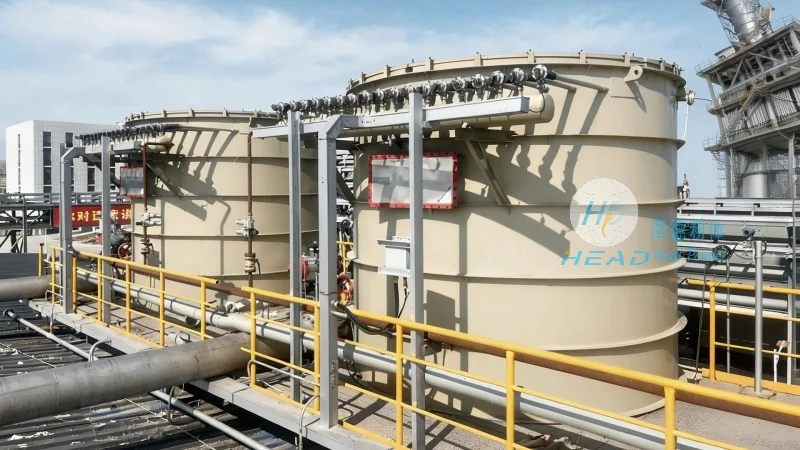
Alumina particle pneumatic conveying machines are industrial devices engineered to transport alumina particles from one location to another using a pressurized air or gas stream. Unlike traditional mechanical conveyors, which rely on mechanical components like belts or screws, pneumatic conveyors utilize the force of air to move the material. This method offers several advantages, including the ability to transport materials over long distances, through vertical or horizontal paths, and even through complex layouts without the need for multiple transfer points. The alumina particle pneumatic conveying machine is particularly suitable for handling fine or powdery alumina materials, which can be challenging to transport using conventional methods due to their tendency to clump or degrade under mechanical stress.
At the core of an alumina particle pneumatic conveying machine is a series of interconnected components that work together to ensure efficient material transport. The primary components include the hopper, the feeder, the conveying line, the receiver, and the air compressor or blower. The hopper serves as the storage container for the alumina particles, providing a controlled environment to prevent material degradation and ensure a steady flow. The feeder, typically a rotary valve or a screw feeder, regulates the flow of alumina particles from the hopper into the conveying line, preventing overfeeding or underfeeding that could disrupt the conveying process. The conveying line, usually made of stainless steel or other corrosion-resistant materials, is designed to withstand the pressure and temperature of the conveying medium and the abrasive nature of alumina particles. The receiver is the destination container where the alumina particles are deposited, and it is often equipped with a dust collection system to prevent environmental contamination. The air compressor or blower generates the necessary pressure to move the air and, consequently, the alumina particles through the conveying line. Each component plays a critical role in the overall performance and reliability of the system.
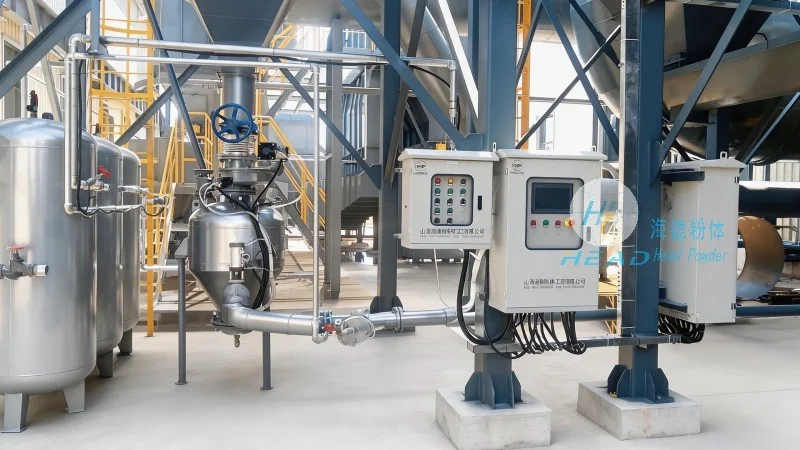
The design of an alumina particle pneumatic conveying machine is guided by several key principles aimed at optimizing performance, efficiency, and durability. The first principle is the selection of appropriate air velocity and pressure. The air velocity must be sufficient to overcome the gravitational and frictional forces acting on the alumina particles, ensuring that they remain suspended in the air stream. Typically, the air velocity is maintained at a level that is higher than the terminal velocity of the alumina particles to prevent settling. The pressure is adjusted based on the distance and complexity of the conveying path, with higher pressures required for longer or more tortuous routes. The second principle is the consideration of material properties. Alumina particles are often fine and abrasive, which means that the conveying system must be constructed from materials that can withstand wear and corrosion. Stainless steel is commonly used for the conveying line and other components due to its resistance to chemical attack and its ability to handle abrasive particles without significant degradation. The third principle is the design of the hopper and feeder. The hopper is designed to minimize the formation of static electricity, which can cause alumina particles to cling to the walls and disrupt the flow. The feeder is designed to provide a consistent and controlled flow of particles, preventing blockages and ensuring smooth operation. The fourth principle is the incorporation of safety and maintenance features. The system includes pressure relief valves to prevent overpressure and safety interlocks to stop the conveyor in case of malfunctions. Regular maintenance, such as cleaning the conveying line and replacing worn parts, is essential to maintain the system's performance and longevity.
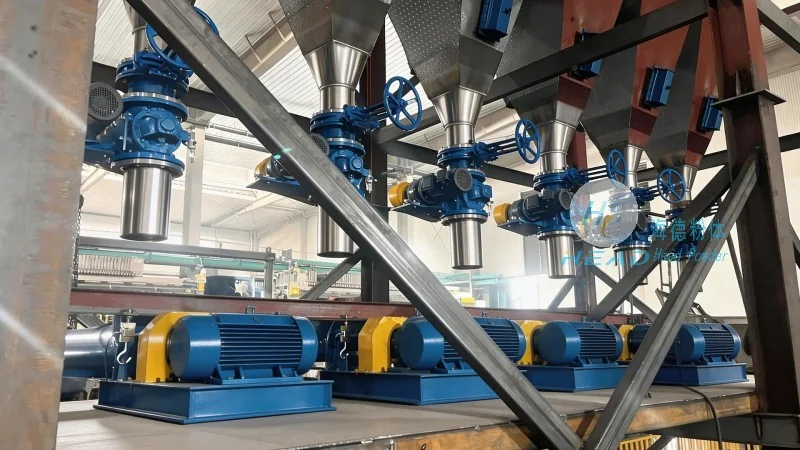
Alumina particle pneumatic conveying machines are widely used in various industrial applications where the transportation of alumina particles is required. In the ceramics industry, these machines are used to transport alumina powders to the production lines for the manufacturing of ceramic products. In the chemical industry, they are used to convey alumina as a catalyst or a filler in chemical reactions. In the pharmaceutical industry, they are used to transport alumina as an excipient in the production of tablets and capsules. In the metal processing industry, they are used to transport alumina as a refractory material in furnace linings. The versatility of the alumina particle pneumatic conveying machine makes it a valuable tool in many sectors, enabling the efficient and reliable handling of alumina particles in various production processes.

Compared to traditional mechanical conveyors, alumina particle pneumatic conveying machines offer several advantages that make them a preferred choice in many industrial applications. One of the primary advantages is the ability to transport materials over long distances without the need for multiple transfer points. This reduces the overall system complexity and cost, as well as minimizing the risk of material loss or contamination. Another advantage is the ability to handle fine or powdery materials that are difficult to transport using mechanical methods. The pneumatic conveying process prevents the material from being exposed to mechanical stress, which can cause degradation or clumping. This ensures that the alumina particles remain in their original state, maintaining the quality of the final product. Additionally, pneumatic conveyors are more hygienic and easier to clean compared to mechanical conveyors, which is particularly important in industries such as pharmaceuticals and food processing. The system can be easily disassembled and cleaned to prevent the buildup of contaminants, ensuring compliance with regulatory standards. Finally, the alumina particle pneumatic conveying machine is more energy-efficient compared to other conveying methods, as it uses less power to transport the material over long distances. The air compressor or blower can be sized to match the specific requirements of the system, ensuring optimal energy usage.
In conclusion, the alumina particle pneumatic conveying machine is a specialized industrial equipment designed to efficiently and reliably transport alumina particles using air or gas as the conveying medium. The design of the machine is based on several key principles, including the selection of appropriate air velocity and pressure, the use of corrosion-resistant materials, and the incorporation of safety and maintenance features. The machine offers several advantages over traditional mechanical conveyors, including the ability to transport materials over long distances, handle fine or powdery materials, and maintain product quality. The alumina particle pneumatic conveying machine is a valuable tool in various industrial applications, enabling the efficient handling of alumina particles in production processes. As a leading manufacturer in this field, Shandong HeadPowder Engineering Co., Ltd. specializes in the design and production of high-quality alumina particle pneumatic conveying machines, providing customized solutions to meet the specific needs of different industries. With their expertise and commitment to quality, HeadPowder ensures that their products are reliable, efficient, and durable, contributing to the smooth operation of industrial processes worldwide.

 Shandong Headpowder Engineering Co., Ltd.
 156-6277-7102(Manager Zhang)
  0531-83386006
  Zhangqiu District, Jinan City, Shandong Province, China
telephone
WeChatconsult
top