With more than 10‑year industry experience, Shandong Headpowder delivers full‑service pneumatic‑conveying systems and blowers, undertaking nationwide turn‑key powder‑handling projects.
Activated carbon pneumatic conveying is a specialized industrial process used to transport activated carbon, a highly porous carbon material, from one location to another using a gas stream. This technology is vital in applications such as air purification, water treatment, and chemical processing, where the efficient and reliable movement of activated carbon is essential. The design principles behind this system are meticulously engineered to ensure optimal performance, safety, and efficiency, addressing the unique characteristics of activated carbon like its fine particle size and high reactivity.
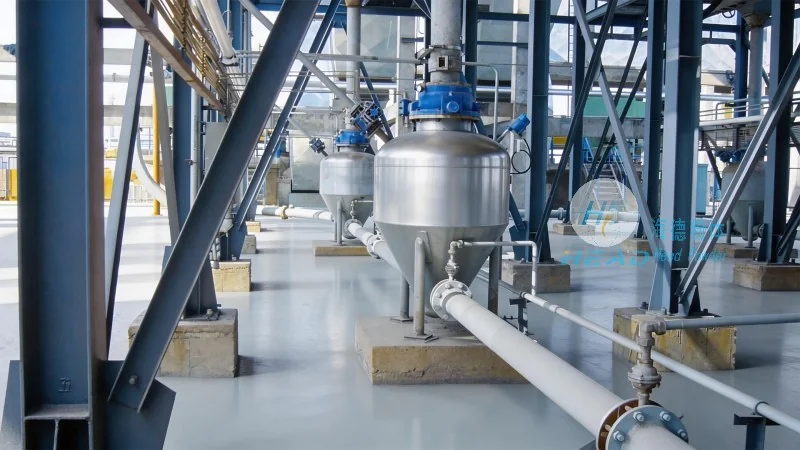
At its core, activated carbon pneumatic conveying operates by utilizing a gas, typically air or a mixture of air and inert gases, to move solid particles through a pipeline. The system creates a pressure differential that propels the particles forward. The design of these systems must account for several critical factors, including the particle size distribution of the activated carbon, which is crucial for preventing blockages and ensuring consistent flow. The system integrates components like feeders, conveyors, and receivers to manage the material's movement and protect it from degradation.
The design principles for activated carbon pneumatic conveying systems are centered on maintaining a stable, continuous flow while minimizing risks like clogging or material wear. A primary principle is the selection of appropriate gas velocities. The gas velocity must be high enough to overcome gravitational forces but low enough to avoid excessive wear on components and prevent particle attrition. This balance is achieved through careful calculation of pressure drop and flow rates. Another critical principle involves the use of controlled feed mechanisms, such as rotary valves or screw feeders, to regulate the activated carbon feed rate. These devices prevent surges that could destabilize the system and ensure consistent material delivery.
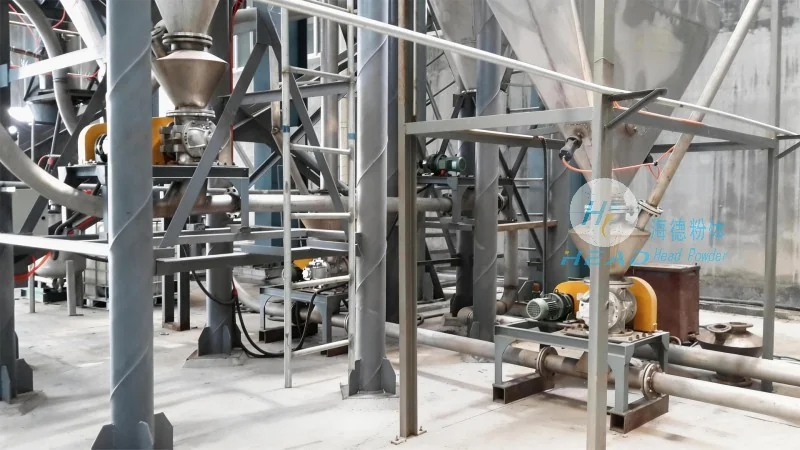
The activated carbon pneumatic conveying system comprises several key components, each with a vital function. The feeder introduces activated carbon into the system at a controlled rate, with options like rotary valves or screw feeders chosen based on particle size and flow characteristics. The conveyor pipeline, constructed from durable materials, transports the gas-particle mixture. The receiver then deposits the material, designed to handle fine particles and prevent dust accumulation. Each component is engineered to withstand the material's properties and operational demands.
Activated carbon pneumatic conveying offers significant advantages over traditional transport methods. It enables long-distance transport without intermediate storage, reducing contamination risks and ensuring a continuous supply. The system is compact and can integrate with existing facilities, providing a cost-effective solution. Additionally, the conveying rate can be precisely controlled, which is essential for maintaining performance in downstream processes like air or water purification. This control helps optimize the amount of activated carbon used, improving efficiency.
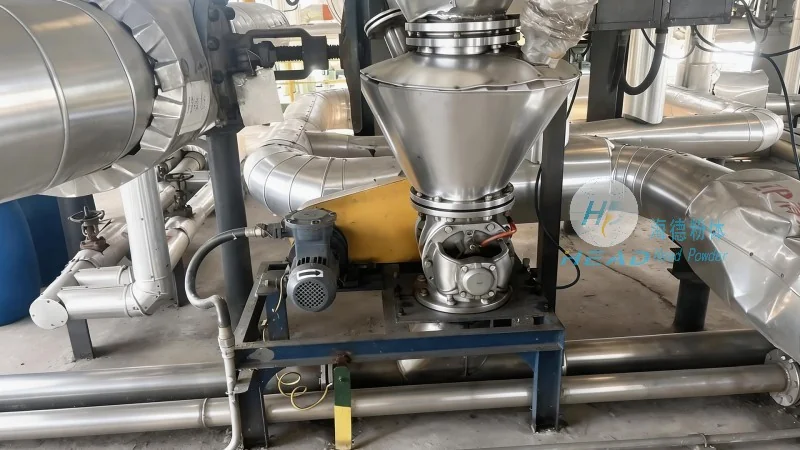
When designing an activated carbon pneumatic conveying system, several factors must be considered. The first is the selection of the appropriate gas type and pressure, ensuring compatibility with the material and components. The system's capacity must match production requirements, including feed rate and conveying distance. Maintenance and operational costs are also key considerations, with designs prioritizing easy access for upkeep to minimize downtime. Safety measures, such as preventing dust explosions and proper gas handling, are integral to the system's design. These considerations ensure the system operates reliably and safely.
Activated carbon pneumatic conveying is a sophisticated and efficient method for transporting activated carbon in industrial settings. The design principles are tailored to the material's unique properties, ensuring optimal performance and reliability. By understanding these principles and components, industries can implement effective systems that meet their specific needs. Shandong HeadPowder Engineering Co., Ltd., a leading provider in this field, specializes in designing and implementing such systems. With years of experience, HeadPowder delivers high-quality solutions that prioritize innovation and customer satisfaction. The company's focus on advancing activated carbon pneumatic conveying technology ensures reliable and efficient solutions for a wide range of industrial applications, supporting the needs of clients across various sectors.

 Shandong Headpowder Engineering Co., Ltd.
 156-6277-7102(Manager Zhang)
  0531-83386006
  Zhangqiu District, Jinan City, Shandong Province, China
telephone
WeChatconsult
top