With more than 10‑year industry experience, Shandong Headpowder delivers full‑service pneumatic‑conveying systems and blowers, undertaking nationwide turn‑key powder‑handling projects.
Understanding polyolefin pneumatic conveying systems is crucial for industries dealing with polyolefin materials, as these systems offer efficient and reliable methods for material handling. This article explores the fundamental aspects of polyolefin pneumatic conveying, including its definition, operational principles, and key design considerations. The information is presented by Shandong HeadPowder Engineering Co., Ltd., a leading provider in the field, based in China.
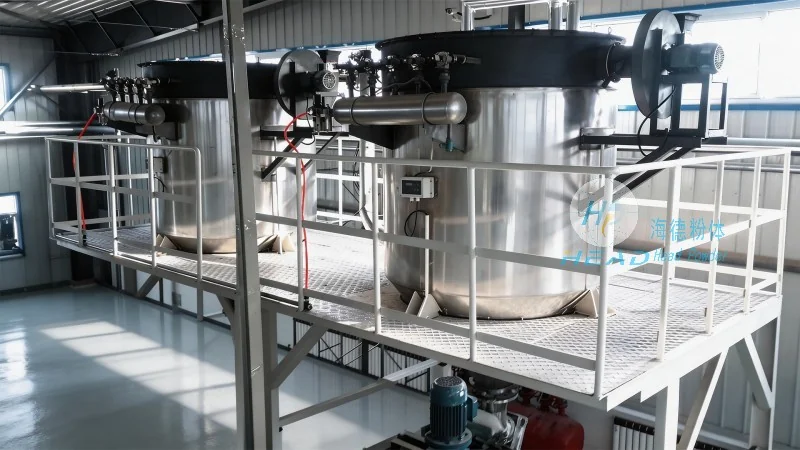
Polyolefin pneumatic conveying refers to the process of transporting polyolefin powders or granules through a pipeline using air or other gases as the conveying medium. This method is widely used in various industrial applications due to its ability to handle fine or abrasive materials with minimal product degradation. The system typically involves a source of material, a conveying line, and a receiver, all powered by a blower or compressor that generates the necessary air flow.
A typical polyolefin pneumatic conveying system consists of several critical components that work in tandem to ensure efficient material transport. These components include a hopper or feeder for material storage and feeding, a blower or compressor to generate the air pressure, a pipeline network for conveying the material, and a receiver or silo for material collection. Each component plays a vital role in maintaining the system's performance and reliability.
The operation of a polyolefin pneumatic conveying system is based on the principle of creating a pressure differential within the pipeline. The blower or compressor draws air from the environment and forces it through the pipeline, while the material is introduced into the system at the feeding point. As the air flows, it lifts and transports the polyolefin particles along the pipeline to the receiver. The velocity of the air and the size of the particles determine the conveying velocity and the overall efficiency of the system.
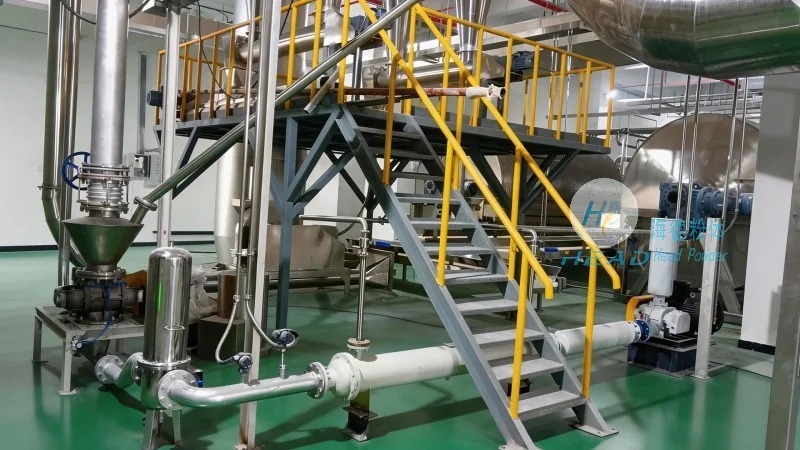
Designing an effective polyolefin pneumatic conveying system requires careful consideration of several factors to ensure optimal performance and minimal maintenance. Key design principles include selecting the appropriate air velocity and pressure to match the material's properties, such as particle size, density, and moisture content. The pipeline diameter and length also need to be optimized to prevent pressure losses and material deposition. Additionally, the system should incorporate features like cyclones or filters to separate the conveyed material from the air and prevent contamination.
Polyolefin pneumatic conveying offers several advantages over traditional mechanical conveying methods. These include reduced product contamination, as the material is not in direct contact with metal surfaces, and lower risk of product degradation due to minimal exposure to air and moisture. The system also allows for flexible layout designs, as pipelines can be installed in various configurations to suit the plant layout. Furthermore, polyolefin pneumatic conveying can handle a wide range of material types and flow rates, making it suitable for diverse industrial applications.
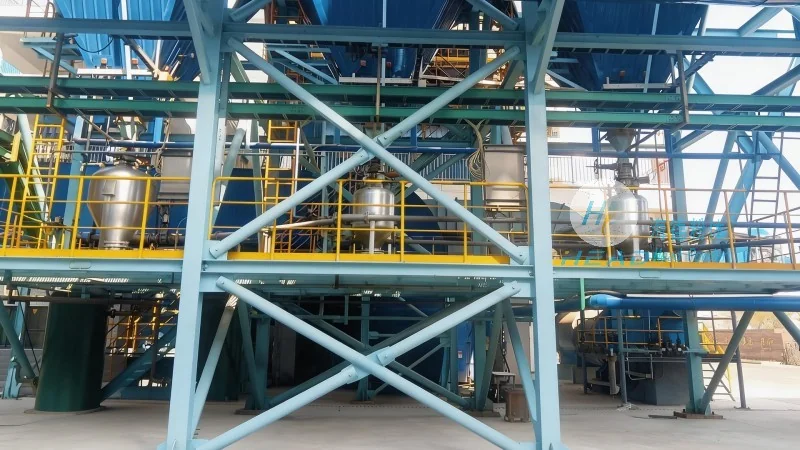
Polyolefin pneumatic conveying systems are widely used in the polyolefin manufacturing industry for various processes, including material transport from storage silos to processing equipment, and from processing units to packaging or storage facilities. The systems are particularly useful in applications where the material needs to be transported over long distances or through complex layouts, such as in polymer production plants or plastic processing facilities.
Proper maintenance is essential to ensure the long-term performance and reliability of polyolefin pneumatic conveying systems. Regular cleaning of the pipeline and components, such as cyclones and filters, is necessary to prevent material buildup and maintain air flow efficiency. Additionally, monitoring the system's pressure and air flow rates can help identify potential issues before they lead to system failures. Proper training of operators on the system's operation and maintenance procedures is also crucial for optimal performance.
Polyolefin pneumatic conveying is a highly effective method for transporting polyolefin materials, offering numerous advantages over traditional conveying methods. By understanding the core components, operational principles, and design considerations, industries can select and implement the most suitable system for their specific needs. Shandong HeadPowder Engineering Co., Ltd. specializes in providing customized polyolefin pneumatic conveying solutions tailored to the unique requirements of each client, ensuring efficient and reliable material handling in the polyolefin industry.

 Shandong Headpowder Engineering Co., Ltd.
 156-6277-7102(Manager Zhang)
  0531-83386006
  Zhangqiu District, Jinan City, Shandong Province, China
telephone
WeChatconsult
top