With more than 10‑year industry experience, Shandong Headpowder delivers full‑service pneumatic‑conveying systems and blowers, undertaking nationwide turn‑key powder‑handling projects.
Intermittent pneumatic conveying is a specialized method used in material handling and transportation, particularly for powders and granules. This technique involves the use of compressed air to move bulk materials through a pipeline system. Unlike continuous systems, intermittent conveying operates by periodically injecting air and material into the pipeline, creating a pulsating flow that ensures efficient and controlled transport. The design principles behind this technology are crucial for optimizing performance, ensuring reliability, and minimizing operational costs. This article explores the fundamental concepts of intermittent pneumatic conveying, detailing its design considerations and practical applications.
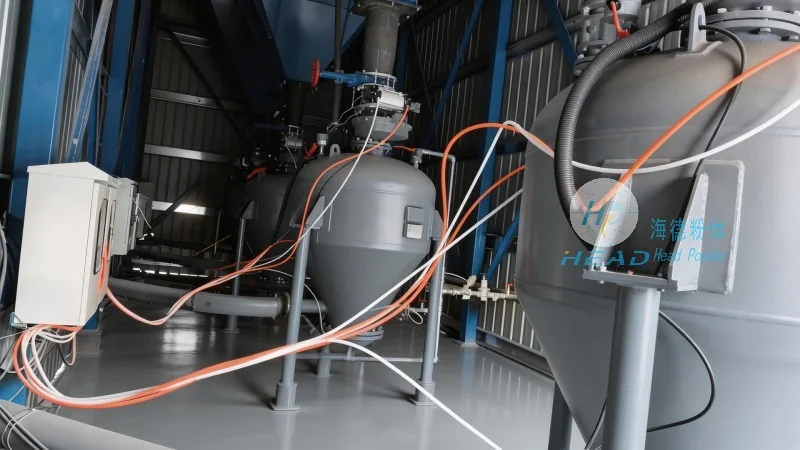
At its core, intermittent pneumatic conveying utilizes compressed air to create a "pulsating" flow of material through a pipeline. This method is distinct from continuous systems, which maintain a steady flow of air and material. The intermittent approach involves the periodic injection of material and air, often using a hopper or feeder that releases material into the pipeline as air is introduced. This pulsating action helps to overcome the challenges of conveying materials with varying properties, such as low density or high moisture content. The key advantage of this system lies in its ability to handle a wide range of materials, including fine powders, coarse granules, and even sticky or abrasive substances, without the need for mechanical components like belts or screws that can cause wear and maintenance issues.
The successful implementation of an intermittent pneumatic conveying system relies on several critical design principles. First, the selection of the appropriate pipeline diameter is essential. The diameter must be large enough to accommodate the material being conveyed while minimizing pressure drop and ensuring efficient air flow. Typically, the pipeline diameter is determined based on the material's bulk density, flow rate, and the desired conveying velocity. For example, a larger diameter is required for materials with lower bulk density to maintain a consistent flow, whereas smaller diameters may be suitable for higher-density materials.
Second, the air pressure and flow rate are critical parameters that must be carefully calibrated. The air pressure is typically maintained between 5 to 15 bar, depending on the material's properties and the pipeline length. The flow rate is adjusted to ensure that the material is fully suspended in the air stream, preventing blockages and ensuring smooth transport. The design also considers the use of appropriate fittings and elbows, as sharp turns or sudden changes in direction can cause material to settle and lead to system inefficiencies. To mitigate this, smooth bends and gradual transitions are incorporated into the pipeline design.
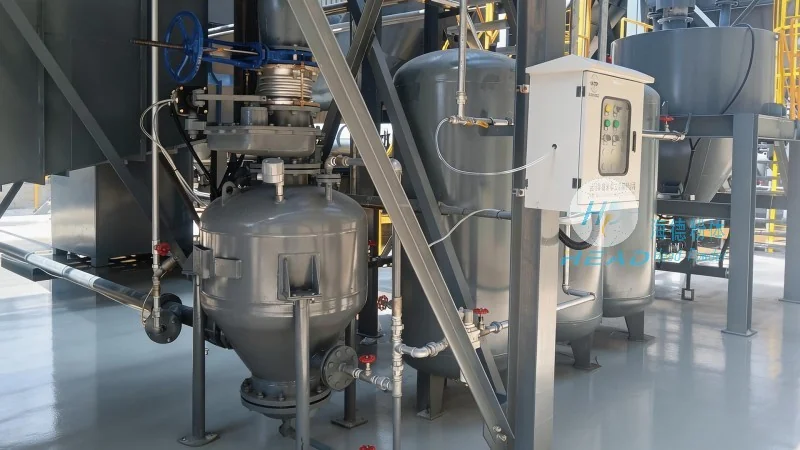
An intermittent pneumatic conveying system consists of several key components, each playing a vital role in the overall operation. The primary components include a hopper or feeder, a compressor, a pipeline system, and a receiver or discharge point. The hopper is responsible for storing and feeding the material into the system, while the feeder controls the material flow rate. The compressor generates the compressed air needed to move the material through the pipeline. The pipeline itself is made of materials such as stainless steel or plastic, chosen based on the material's compatibility and the system's pressure requirements. The receiver is where the material is discharged, often equipped with a filter to prevent dust or particles from escaping into the environment.
The operational mechanism involves the periodic release of material from the hopper into the pipeline as air is introduced. This creates a "slug" of material that is carried by the air stream. The air pressure and flow rate are adjusted to ensure that the material is fully suspended and transported to the receiver. The system operates in cycles, with each cycle consisting of the material injection, transport, and discharge. The frequency of these cycles is determined by the material's properties and the system's design, with higher material flow rates requiring more frequent cycles.
Intermittent pneumatic conveying offers several advantages over other material handling methods. One of the most significant benefits is its ability to handle a wide range of materials, including those that are difficult to transport using mechanical systems. This includes fine powders, which can be prone to caking or agglomeration, and abrasive materials that can cause wear on mechanical components. The system is also highly flexible, allowing for changes in material flow rate or pipeline length without significant modifications. Additionally, intermittent conveying systems are relatively simple in design, with fewer moving parts compared to other systems, reducing maintenance requirements and operational costs.
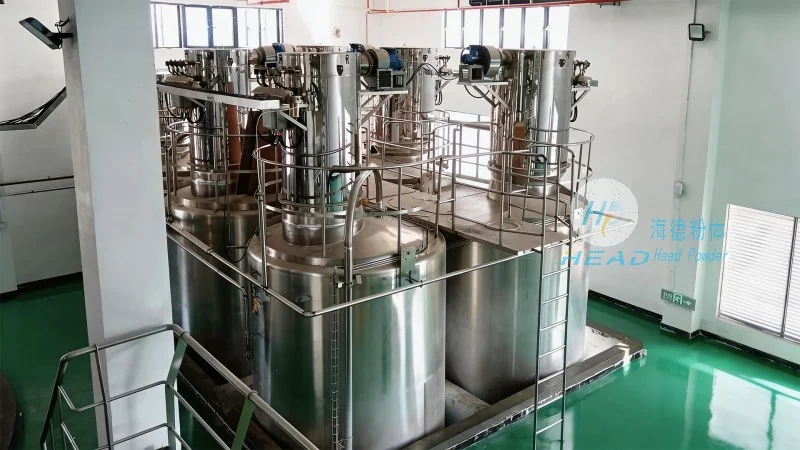
These systems are widely used in various industries, including pharmaceuticals, food processing, chemical manufacturing, and mining. In the pharmaceutical industry, intermittent pneumatic conveying is used to transport powders and granules, ensuring that the materials remain sterile and free from contamination. In food processing, the system is used to handle ingredients such as flour, sugar, and spices, maintaining their quality and preventing cross-contamination. In chemical manufacturing, the system is used to transport raw materials and finished products, ensuring safety and efficiency. In mining, intermittent conveying is used to transport ore and other materials from the mine to processing facilities, reducing the need for heavy machinery and improving operational efficiency.
Designing an intermittent pneumatic conveying system requires careful consideration of several factors to ensure optimal performance. One of the most critical factors is the material's properties, including its bulk density, flowability, and moisture content. These properties determine the required air pressure and flow rate, as well as the pipeline diameter and length. For example, materials with low bulk density may require higher air pressure to achieve the desired conveying velocity, while materials with high moisture content may need additional drying steps to prevent caking or blockages.
Another important consideration is the pipeline length and layout. The system's design must account for the total pipeline length, including any vertical or horizontal segments, as well as the number and type of fittings and elbows. The length of the pipeline affects the pressure drop, which in turn influences the required air pressure and flow rate. The layout must also consider the elevation changes, as vertical lifts require additional air pressure to overcome gravity.
Furthermore, the system's capacity and flow rate must be matched to the production requirements. The design must ensure that the system can handle the required material flow rate without causing excessive pressure drop or material settling. This involves calculating the material's flow rate based on the hopper size and feeder capacity, and adjusting the system parameters accordingly. The system's capacity is also influenced by the material's flowability, which can be affected by factors such as moisture content, temperature, and particle size.
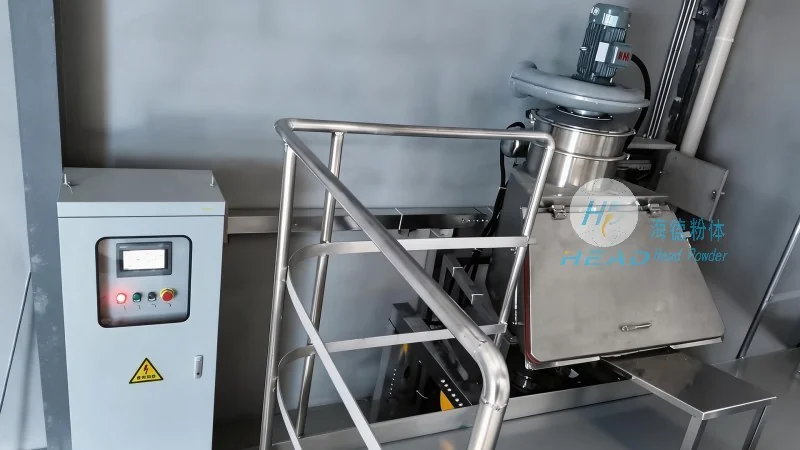
Like any industrial system, intermittent pneumatic conveying systems require regular maintenance to ensure reliable operation. Regular inspections of the pipeline and fittings are necessary to check for signs of wear or damage, such as corrosion or cracks. The compressor and air filters must also be checked regularly to ensure that they are functioning properly and to prevent dust or debris from entering the system. The hopper and feeder should be cleaned periodically to prevent material buildup and clogging.
Troubleshooting is also an important aspect of maintaining the system. Common issues include material blockages, pressure drop, and air leaks. Material blockages can occur due to caking or agglomeration, which can be caused by high moisture content or low temperature. To resolve this, the system may need to be flushed with air or the material may need to be dried or heated. Pressure drop can be caused by a buildup of material in the pipeline or a clogged filter, which can be resolved by cleaning the pipeline or replacing the filter. Air leaks can be caused by loose fittings or damaged seals, which can be fixed by tightening connections or replacing seals.
Intermittent pneumatic conveying is a versatile and efficient method for transporting bulk materials, particularly powders and granules. The design principles behind this technology are crucial for optimizing performance and ensuring reliability. By carefully selecting the appropriate components and parameters, such as pipeline diameter, air pressure, and flow rate, an intermittent pneumatic conveying system can effectively handle a wide range of materials and meet the production requirements of various industries. As a leading provider of engineering solutions, Shandong HeadPowder Engineering Co., Ltd. specializes in designing and manufacturing high-quality intermittent pneumatic conveying systems tailored to the specific needs of its clients. With its expertise in material handling and industrial engineering, HeadPowder provides reliable and efficient solutions for a variety of applications, ensuring that clients can achieve optimal performance and operational efficiency.

 Shandong Headpowder Engineering Co., Ltd.
 156-6277-7102(Manager Zhang)
  0531-83386006
  Zhangqiu District, Jinan City, Shandong Province, China
telephone
WeChatconsult
top