With more than 10‑year industry experience, Shandong Headpowder delivers full‑service pneumatic‑conveying systems and blowers, undertaking nationwide turn‑key powder‑handling projects.
For those in the field of material handling, understanding the technology behind pneumatic conveying systems is crucial, especially when dealing with bulk materials like sawdust and husks. This article delves into the specifics of sawdust and husk pneumatic conveying equipment, providing a comprehensive overview of its structure and operational principles, brought to you by Shandong HeadPowder Engineering Co., Ltd., a leading manufacturer in the industry.
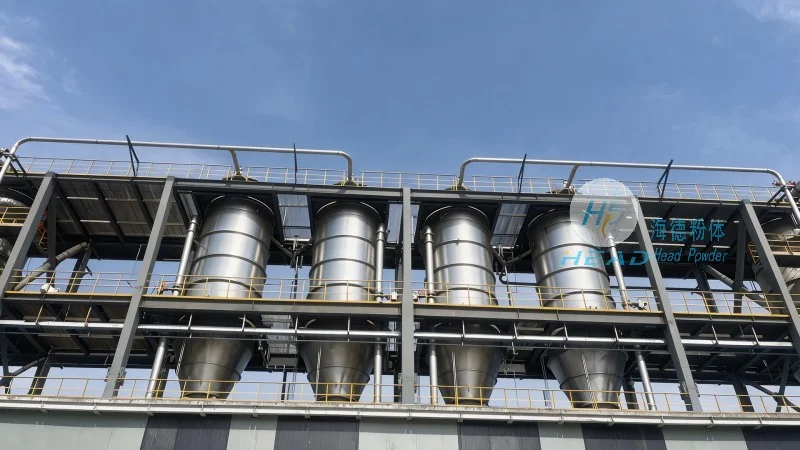
Pneumatic conveying, also known as air conveying, is a method of transporting bulk materials through a pipeline using a stream of pressurized or vacuum air. This technology is widely used in industries such as agriculture, woodworking, and food processing due to its efficiency and ability to handle materials that are difficult to transport by other means. The core of this system lies in the equipment designed to move materials like sawdust and husks, which are often light, dusty, and prone to segregation.
The sawdust and husk pneumatic conveying system typically consists of several key components that work in tandem to ensure smooth material transport. These components include the material hopper, the air compressor or vacuum pump, the conveying pipeline, the control valve, and the discharge outlet. Each part plays a critical role in the overall operation, designed with precision by Shandong HeadPowder Engineering Co., Ltd. to handle the unique challenges of transporting sawdust and husk efficiently and safely.
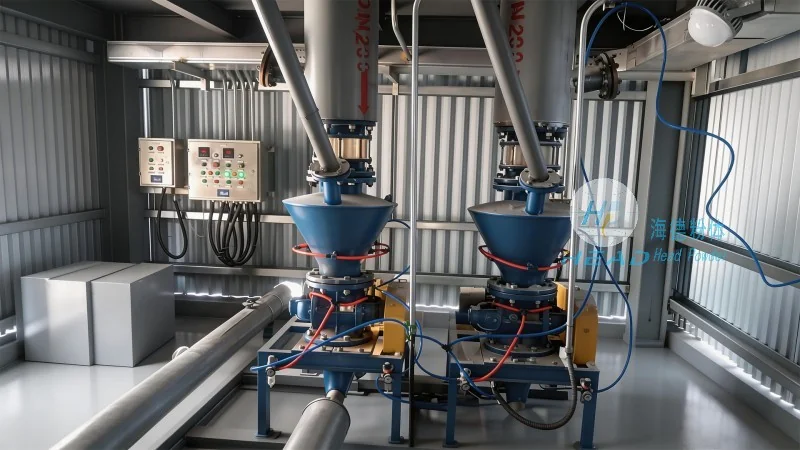
First, the material hopper is where the sawdust or husk is stored before being fed into the system. It is designed to hold a sufficient quantity of material and often includes a feeding mechanism, such as a rotary valve or a screw feeder, to regulate the flow of material into the pipeline. The feeding mechanism ensures that the material is introduced at a consistent rate, preventing blockages and maintaining system efficiency. The hopper is typically constructed from durable materials like stainless steel or high-density plastic to withstand the abrasive nature of sawdust and husk particles.
Next, the air compressor or vacuum pump generates the necessary air pressure or vacuum to move the material through the pipeline. The choice between a positive pressure system and a negative pressure system depends on the specific application and the distance the material needs to be conveyed. Positive pressure systems are commonly used for short to medium distances, while negative pressure systems are preferred for longer distances or when dealing with fine powders that may be susceptible to dust explosions. The air compressor or vacuum pump is a critical component, as it provides the energy needed to move the material and is often sized based on the required flow rate and pressure.
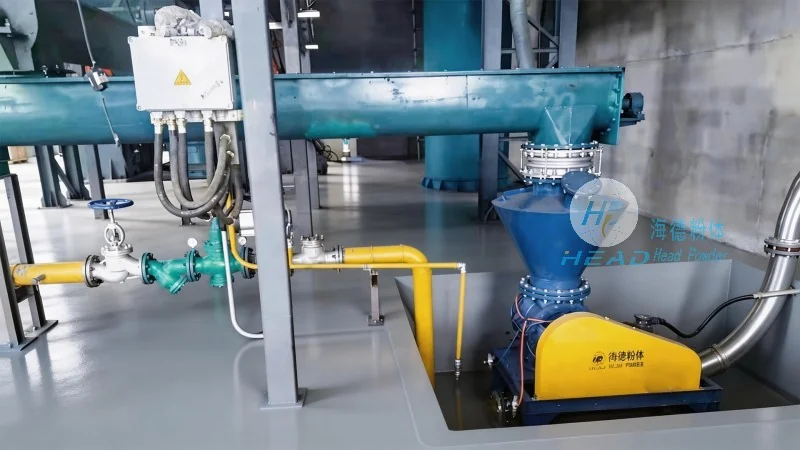
The conveying pipeline is a crucial component, as it is the path through which the material and air travel together. The pipeline is typically made of materials like stainless steel or plastic, which are resistant to corrosion and wear from the abrasive sawdust or husk particles. The design of the pipeline, including the diameter and the number of bends, is carefully considered to minimize pressure drop and ensure efficient material transport. The pipeline may also include features like expansion joints or flexible connectors to accommodate thermal expansion and reduce stress on the system.
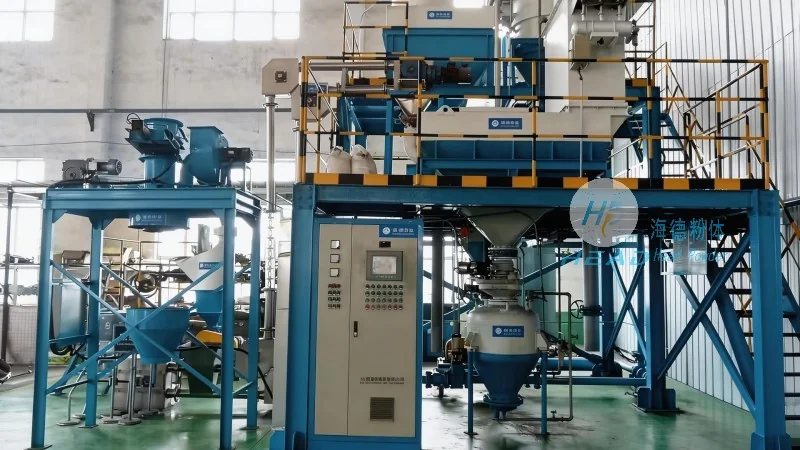
The control valve is another essential part of the system, as it regulates the flow of air and material. It can be adjusted to control the speed of the material transport, allowing for precise control over the delivery rate. The control valve may also include safety features, such as pressure relief valves, to prevent over-pressurization and ensure the safety of the system. The control valve is often equipped with sensors that monitor the pressure and flow rate, providing real-time data to the operator and enabling them to make adjustments as needed.
Finally, the discharge outlet is where the material is released from the pipeline. It is designed to handle the material without causing blockages or spillage. The outlet may include a filter or a cyclone separator to remove any excess air or dust before the material is discharged into the receiving container. The discharge outlet is typically constructed from materials that are compatible with the material being conveyed, ensuring that it does not react with or degrade the material.

 Shandong Headpowder Engineering Co., Ltd.
 156-6277-7102(Manager Zhang)
  0531-83386006
  Zhangqiu District, Jinan City, Shandong Province, China
telephone
WeChatconsult
top