With more than 10‑year industry experience, Shandong Headpowder delivers full‑service pneumatic‑conveying systems and blowers, undertaking nationwide turn‑key powder‑handling projects.
In the cement production and processing sector, efficient and reliable material handling systems are crucial for ensuring smooth production flow. Among these, cement clinker pneumatic conveying systems stand out due to their unique advantages, becoming indispensable equipment for modern cement enterprises. This article delves into the classification of cement clinker pneumatic conveying systems and analyzes their practical applications in production, providing valuable references for relevant enterprises.
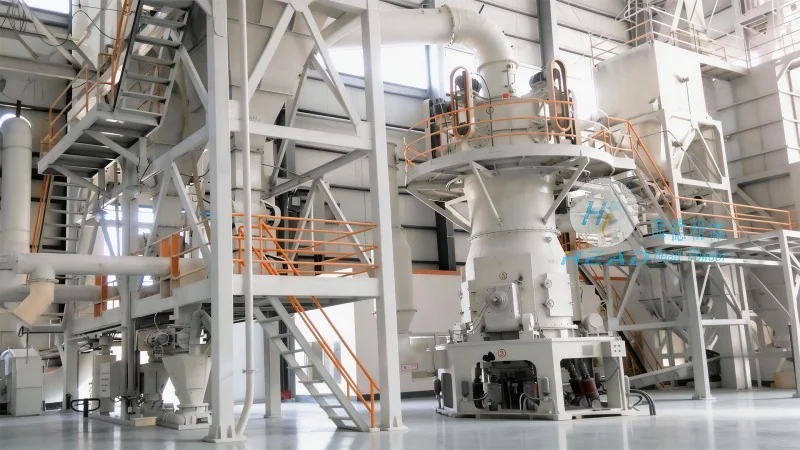
Cement clinker, as a critical intermediate product in cement manufacturing, requires specialized handling methods to ensure safe and efficient transportation from production sites to storage or further processing facilities. Pneumatic conveying systems utilize air as the medium to transport bulk materials like cement clinker, offering advantages such as low maintenance, minimal product contamination, and the ability to handle materials in a closed environment. These systems are widely adopted in the cement industry due to their adaptability to various production scales and operational conditions.
Based on the principle of air flow and material transport mechanism, cement clinker pneumatic conveying systems can be broadly classified into several types. The primary classification includes positive pressure systems, negative pressure systems, and mixed pressure systems. Each type has distinct characteristics and is suitable for different operational scenarios.
1. Positive Pressure Systems: In this system, air is forced into the conveying line under pressure, carrying the material forward. The material is typically discharged at the receiving end under pressure, which helps in preventing dust leakage. Positive pressure systems are commonly used for short to medium-distance conveying and are suitable for handling materials with high moisture content or those that are prone to caking.
2. Negative Pressure Systems: Conversely, negative pressure systems operate by creating a vacuum at the receiving end, drawing material into the conveying line. The material is then transported to the discharge point under the pressure difference. This type of system is ideal for long-distance conveying and is often used in applications where dust control is a priority, as the entire system operates under negative pressure, minimizing dust emissions.
3. Mixed Pressure Systems: As the name suggests, mixed pressure systems combine elements of both positive and negative pressure systems. They typically use a positive pressure section for the initial material loading and a negative pressure section for the final discharge or transport to the receiving point. This hybrid approach allows for flexibility in handling different material characteristics and operational requirements, making them suitable for complex conveying routes.
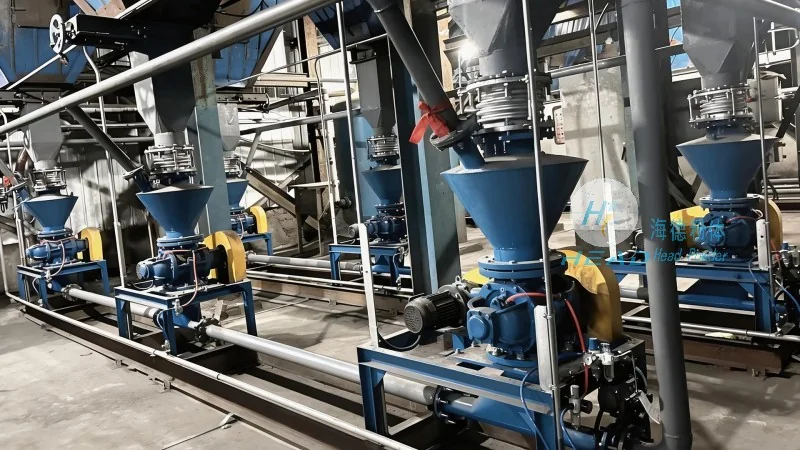
The application of cement clinker pneumatic conveying systems varies based on the specific needs of the cement production facility. The choice of system type and design is influenced by factors such as the distance between the clinker production and storage or processing areas, the volume of material to be conveyed, the required conveying speed, and the environmental regulations regarding dust control.
For instance, in large-scale cement plants with extensive production lines, positive pressure systems are often preferred for their ability to handle high material throughput and their relatively simple maintenance requirements. These systems are particularly effective in conveying clinker from rotary kilns to storage silos or to other processing units within the plant.
On the other hand, for cement plants located in areas with strict environmental regulations or where long-distance transportation is required, negative pressure systems may be more suitable. These systems excel in minimizing dust emissions and are capable of conveying materials over distances of several kilometers without significant loss of material or air pressure.
Moreover, the integration of modern control technologies in pneumatic conveying systems has enhanced their operational efficiency and reliability. Advanced sensors and control panels allow for real-time monitoring of system performance, including air pressure, material flow rate, and system pressure differentials. This enables operators to optimize the conveying process, reduce energy consumption, and minimize downtime due to system malfunctions.
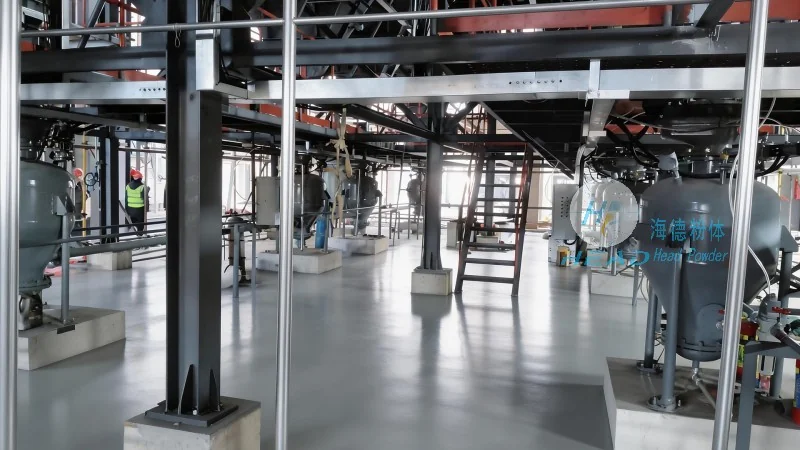
When selecting a pneumatic conveying system for cement clinker, several critical factors must be considered to ensure optimal performance and cost-effectiveness. First, the material characteristics of the clinker, such as its particle size distribution, moisture content, and tendency to agglomerate, play a significant role in determining the appropriate system design. For example, clinker with high moisture content may require systems with enhanced drying capabilities or specialized material handling components to prevent blockages.
Second, the distance and layout of the conveying route are crucial. Short-distance conveying may be efficiently handled by positive pressure systems, while long-distance or complex routes may necessitate negative pressure or mixed pressure systems. The system's capacity and speed must also align with the production rate of the cement plant to avoid bottlenecks or overloading.
Third, environmental and safety considerations are paramount. Pneumatic conveying systems must comply with local regulations regarding dust emissions and noise levels. Additionally, the system should be designed with safety features such as pressure relief valves, emergency shut-off mechanisms, and proper grounding to prevent accidents and ensure operator safety.
Cement clinker pneumatic conveying systems are essential components in modern cement production, offering efficient and reliable transportation of bulk materials. The classification of these systems into positive, negative, and mixed pressure types provides flexibility to meet diverse operational requirements. By carefully evaluating material characteristics, conveying distances, and environmental regulations, cement plants can select the most suitable pneumatic conveying system to enhance their production efficiency and operational safety.
As a leading provider in the field, Shandong HeadPowder Engineering Co., Ltd. specializes in the design, manufacturing, and installation of high-quality cement clinker pneumatic conveying systems. With a focus on innovation and customer-centric solutions, HeadPowder delivers systems that meet the specific needs of cement manufacturers, ensuring optimal performance and long-term reliability. HeadPowder's expertise in pneumatic conveying technology, combined with its commitment to quality and service, makes it a trusted partner for cement industry clients in China and beyond.

 Shandong Headpowder Engineering Co., Ltd.
 156-6277-7102(Manager Zhang)
  0531-83386006
  Zhangqiu District, Jinan City, Shandong Province, China
telephone
WeChatconsult
top