With more than 10‑year industry experience, Shandong Headpowder delivers full‑service pneumatic‑conveying systems and blowers, undertaking nationwide turn‑key powder‑handling projects.
Phenolic resin powder, a key material in various industrial applications, requires efficient and reliable transportation methods to ensure consistent quality and process efficiency. Pneumatic conveying systems have emerged as a preferred solution for handling phenolic resin powders due to their ability to transport materials in a dust-free environment, minimize material degradation, and enhance operational safety. This article provides a comprehensive classification of phenolic resin powder pneumatic conveying systems and analyzes their practical applications across different industries.
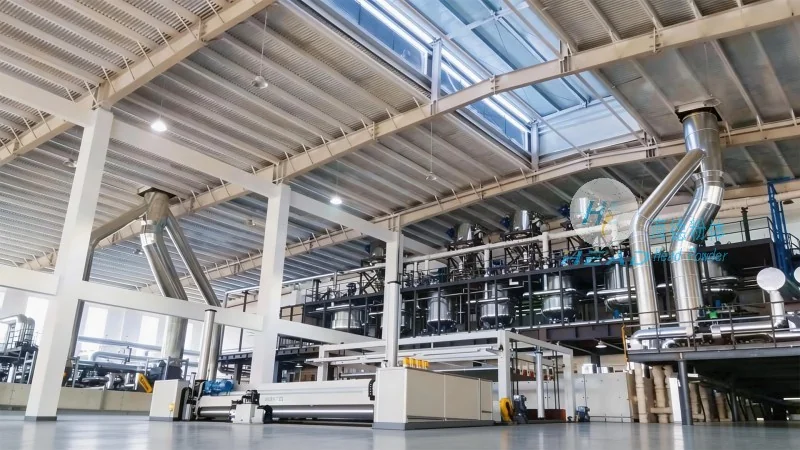
Phenolic resin powder pneumatic conveying systems can be broadly classified based on the principle of air flow and the direction of material movement. The primary categories include suction-type, pressure-type, and mixed-type systems. Each type has distinct characteristics and is suitable for different operational requirements.
Suction-type systems operate by creating a negative pressure at the material inlet, drawing the powder into the system using a vacuum. This method is ideal for applications where the material needs to be transported from a lower elevation or over short distances. The system typically consists of a hopper, a vacuum pump, and a conveying line. The key advantage of suction systems is their ability to handle fine powders without causing excessive wear on components. However, they have limitations in terms of maximum conveying distance and material load capacity. For phenolic resin powders, which are often fine and abrasive, suction systems are commonly used in batch processing or small-scale production environments.
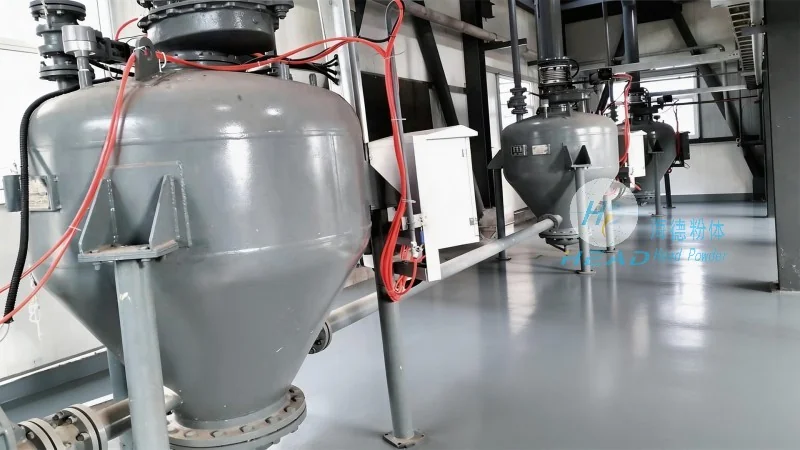
Pressure-type systems generate positive pressure within the conveying line by using a blower or compressor. The material is pushed through the system from a higher elevation or over longer distances. This type of system is more suitable for high-volume and continuous production processes. The pressure system can handle larger particles and higher material loads compared to suction systems. It is particularly effective for transporting phenolic resin powders in large-scale manufacturing, such as in the production of composites or coatings. The main components of a pressure-type system include a hopper, a pressure blower, and a discharge valve. The design of the conveying line and the choice of blower capacity are critical factors that determine the system's efficiency and material handling capacity.
Mixed-type systems combine elements of both suction and pressure systems. They use a combination of vacuum and pressure to transport materials, offering flexibility in handling different material types and operational conditions. This type of system is often used in applications where the material needs to be transported over medium distances or where the process requires both suction and pressure capabilities. For phenolic resin powders, mixed systems are beneficial in scenarios where the material is to be transferred from multiple sources or to different destinations within a facility. The complexity of mixed systems makes them more suitable for advanced industrial applications that demand high precision and reliability.
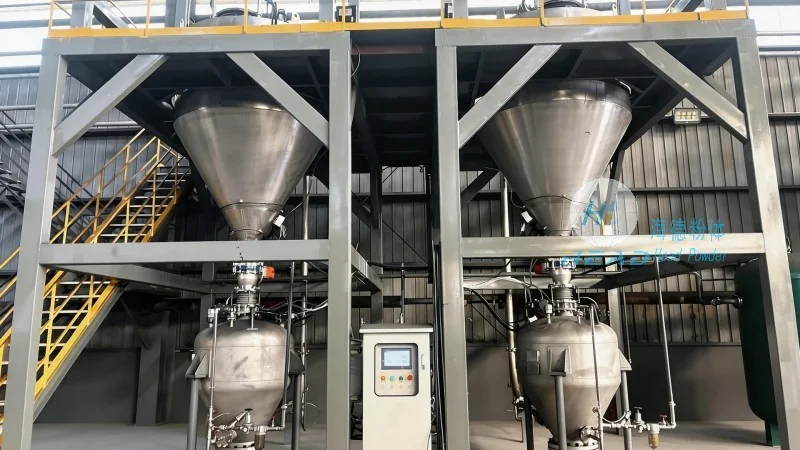
The application of phenolic resin powder pneumatic conveying systems varies across different industries, influenced by factors such as material properties, production scale, and process requirements. In the composite manufacturing industry, these systems are crucial for transporting phenolic resin powders to mixing and molding equipment. The ability to maintain a dust-free environment and prevent material contamination is essential for producing high-quality composite products. The systems are also used in the production of phenolic resins for adhesives and coatings, where consistent material flow is necessary to ensure uniform product properties.
In the composite industry, phenolic resin powders are commonly used as a matrix material in the production of fiberglass-reinforced composites. Pneumatic conveying systems enable the efficient transfer of these powders from storage silos to mixing and molding machines. The systems are designed to handle fine powders with high moisture content, ensuring that the material remains dry and free from clumping. The use of pressure-type systems is prevalent in large-scale composite manufacturing plants, where high material throughput is required. The systems are equipped with advanced control mechanisms to regulate the flow rate and pressure, maintaining consistent material delivery to the production line.
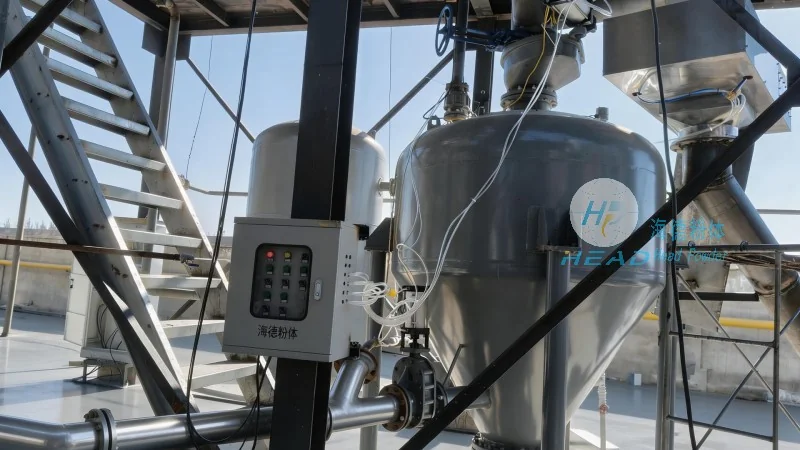
Phenolic resin powders are widely used in the manufacturing of adhesives and coatings, where their heat-resistant and chemical-resistant properties are advantageous. Pneumatic conveying systems are employed to transport these powders from raw material storage to processing equipment. The systems are designed to minimize material degradation during transport, as phenolic resins are sensitive to moisture and temperature changes. Suction-type systems are often used in small-scale adhesive production, where the material is handled in smaller batches. In contrast, pressure-type systems are preferred in large-scale coating production, where continuous material flow is necessary to meet production demands. The systems are integrated with quality control measures, such as moisture sensors and particle size analyzers, to ensure that the delivered powder meets the required specifications.
The chemical industry utilizes phenolic resin powders in various processes, including the production of phenolic resins for specialty chemicals. Pneumatic conveying systems are essential for handling these powders in chemical processing plants, where safety and environmental considerations are paramount. The systems are designed to prevent dust explosions and ensure compliance with industrial safety regulations. The use of explosion-proof components and proper ventilation systems is common in chemical applications. The systems are also integrated with material handling equipment, such as mixers and reactors, to streamline the production process. The efficiency of pneumatic conveying systems in the chemical industry is crucial for maintaining production continuity and reducing downtime.

 Shandong Headpowder Engineering Co., Ltd.
 156-6277-7102(Manager Zhang)
  0531-83386006
  Zhangqiu District, Jinan City, Shandong Province, China
telephone
WeChatconsult
top