With more than 10‑year industry experience, Shandong Headpowder delivers full‑service pneumatic‑conveying systems and blowers, undertaking nationwide turn‑key powder‑handling projects.
HeadPowder, a leading company in the field of material handling and processing, specializes in advanced pneumatic conveying systems. This article explores the concept of inorganic salt crystal pneumatic conveying, its classification, and practical applications. By understanding the fundamentals of this technology, industries can optimize material transport processes, enhance efficiency, and ensure safe handling of delicate or bulk materials.
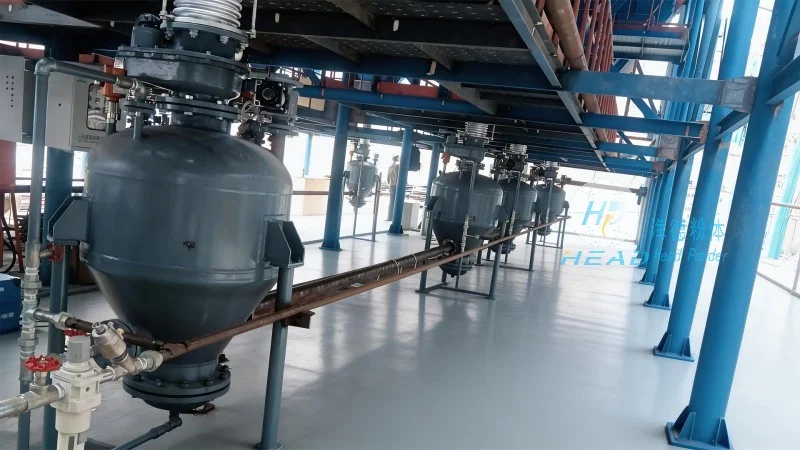
Inorganic salt crystals, such as sodium chloride, potassium chloride, or various industrial salts, are often transported in bulk quantities across industrial facilities. Pneumatic conveying offers a non-contact, efficient method for moving these materials from one location to another. Unlike traditional methods like belt conveyors or bucket elevators, pneumatic systems use air pressure to move particles through a pipeline, reducing wear and tear on equipment and minimizing material degradation. The process involves generating a flow of air that carries the salt crystals through a system of pipes, often incorporating components like feeders, cyclones, and filters to control the flow and ensure proper separation.
Pneumatic conveying systems are typically classified based on the pressure used to move materials. The two main categories are: positive pressure (or pressure) systems and negative pressure (or vacuum) systems. Positive pressure systems operate by blowing air into the pipeline, creating a pressure higher than the ambient air, which propels the material forward. These systems are suitable for long-distance transport and can handle a wide range of particle sizes and densities. Negative pressure systems, on the other hand, use a vacuum to draw material into the pipeline, creating a lower pressure than the surrounding environment. This method is ideal for applications requiring dust control and material recovery from the conveying line. Additionally, there are hybrid systems that combine both positive and negative pressure to achieve optimal performance for specific material handling needs.
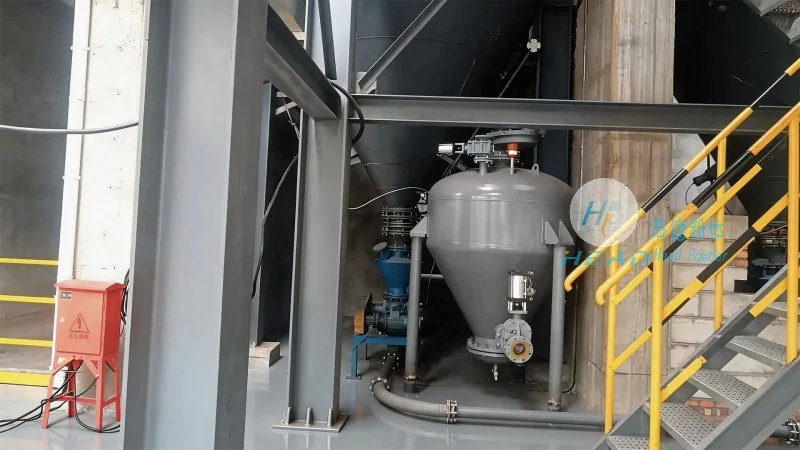
The application of pneumatic conveying in the processing of inorganic salt crystals is widespread across various industries. In the chemical industry, these systems are used to transport raw salts to reactors, ensuring a consistent feed rate for production processes. In food processing, where hygiene and product purity are critical, pneumatic conveying helps maintain a clean environment by avoiding direct contact with equipment. The pharmaceutical industry also benefits from this technology, as it allows for the safe and sterile transport of salt-based ingredients for drug formulation. Furthermore, in the mining and mineral processing sectors, pneumatic systems are employed to move bulk salt from storage facilities to processing plants, improving operational efficiency and reducing labor costs.
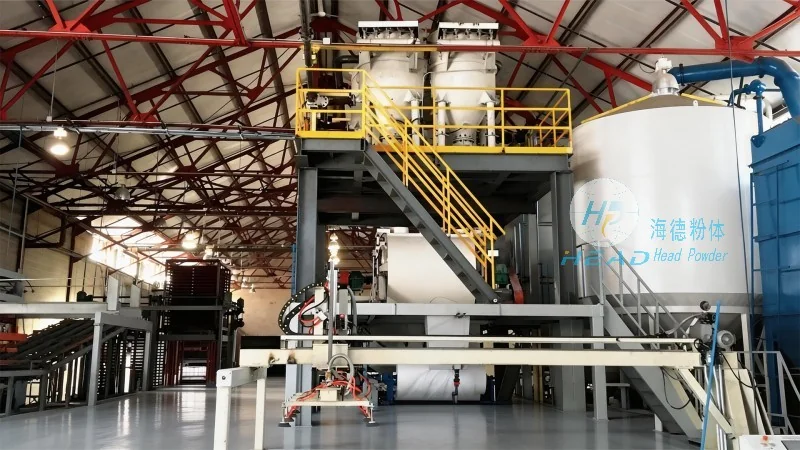
Effective inorganic salt crystal pneumatic conveying relies on several critical components. The feed system, which includes hoppers and feeders, ensures a controlled and consistent flow of material into the pipeline. The conveyor itself, made of durable materials like stainless steel or plastic, is designed to withstand the abrasive nature of salt crystals. Cyclones and filters are essential for separating the material from the air stream, preventing clogging and maintaining system efficiency. Additionally, control systems, such as pressure regulators and flow meters, monitor and adjust the conveying process to optimize performance and prevent system failures.
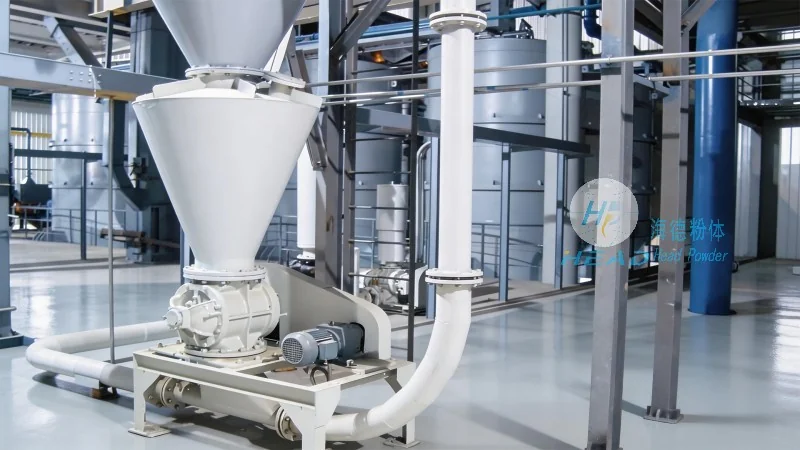
Implementing pneumatic conveying for inorganic salt crystals offers numerous advantages over traditional material handling methods. One of the primary benefits is the reduction in labor costs, as automated systems handle the transport process with minimal human intervention. The technology also minimizes material loss and degradation, as the non-contact method prevents abrasion and contamination. Furthermore, pneumatic systems are highly flexible, allowing for easy reconfiguration of the conveying line to accommodate changes in production needs. The ability to transport materials over long distances without the need for intermediate storage or handling points also enhances overall operational efficiency. Finally, the systems are relatively low maintenance, with fewer moving parts compared to mechanical conveyors, reducing downtime and maintenance expenses.
HeadPowder Engineering Co., Ltd., based in Shandong, China, is a trusted provider of pneumatic conveying solutions tailored to the specific needs of inorganic salt crystal processing. With years of experience in the industry, the company offers customized systems that enhance material handling efficiency, improve safety, and reduce operational costs. By leveraging advanced technology and expert engineering, HeadPowder helps industries streamline their production processes and achieve optimal performance in the transport of inorganic salt crystals. Whether for short or long-distance transport, positive or negative pressure systems, HeadPowder's solutions are designed to meet the unique requirements of each application, ensuring reliable and efficient material handling.

 Shandong Headpowder Engineering Co., Ltd.
 156-6277-7102(Manager Zhang)
  0531-83386006
  Zhangqiu District, Jinan City, Shandong Province, China
telephone
WeChatconsult
top