

Technical Parameters and Conveying System Process for Cement Fly Ash
Shandong HeadPowder Engineering Co., Ltd., commonly known as headpowder, specializes in the design and implementation of advanced systems for handling cement fly ash. This article provides a detailed overview of the key technical parameters and the efficient processes involved in the conveyance of cement fly ash, ensuring optimal performance and reliability in industrial applications.
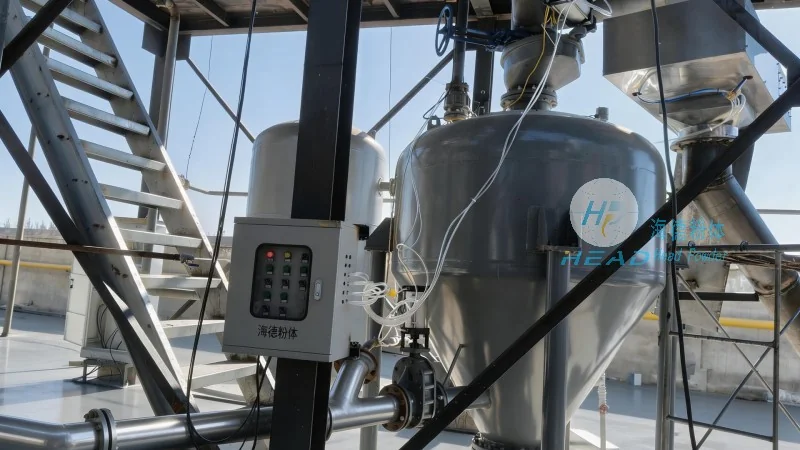
Key Technical Parameters of Cement Fly Ash
The technical parameters of cement fly ash are crucial for understanding its behavior and suitability in various applications. These parameters include but are not limited to particle size distribution, specific gravity, moisture content, and chemical composition. For instance, the particle size distribution typically ranges from fine to medium, with most particles falling within the 1-100 micrometer range. This characteristic influences the flowability and handling properties of the material. Specific gravity, usually around 2.0-2.3, affects the density and weight of the ash, which in turn impacts the design of storage and conveying equipment. Moisture content is another critical factor, often controlled to below 1% to prevent caking and blockages in the system. Chemical composition, including the presence of calcium oxide, silicon dioxide, and other minerals, determines the reactivity and usability of the fly ash in cement production and other industrial processes.
Conveying System Process Overview
The conveying system for cement fly ash is engineered to transport the material from storage silos or processing units to the final destination, such as mixing plants or disposal sites. The process involves several stages, starting with material feeding from the storage silo. A rotary valve or feeder is used to control the flow rate, ensuring a consistent and controlled discharge of the fly ash. The material then moves through a pipeline system, which may include vertical or horizontal sections, depending on the layout of the facility. The pipeline is typically made of corrosion-resistant materials like stainless steel or special alloys to withstand the chemical and physical properties of the fly ash. For long-distance or high-rise conveyance, positive displacement blowers or air slides are employed to generate the necessary air pressure for pneumatic conveying. This method is efficient for handling fine powders and minimizes the risk of material degradation or contamination.
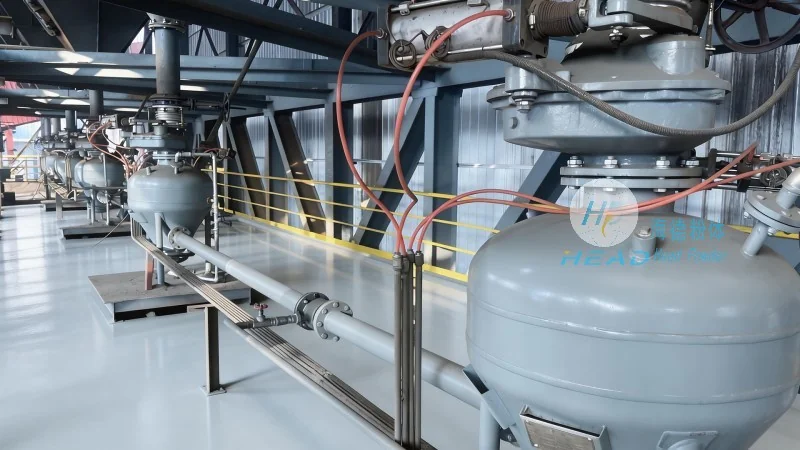
System Components and Their Functions
The conveying system consists of several key components, each playing a vital role in the overall operation. The storage silo is the primary container for the cement fly ash, designed with a conical bottom to facilitate uniform discharge. The silo is equipped with a level indicator to monitor the material inventory and a pressure relief valve to prevent over-pressurization. The feeder unit, often a screw or rotary type, regulates the flow of the ash from the silo to the pipeline. The pipeline itself is laid out with appropriate slopes to maintain the material's flow, and elbows or bends are used to change direction while minimizing pressure losses. The air compressor or blower provides the motive force for pneumatic conveying, generating the air flow that carries the fly ash particles. The receiver or destination silo collects the conveyed material, and a discharge valve allows for controlled release. Additionally, dust collection systems are integrated to capture any airborne particles, ensuring environmental compliance and worker safety.
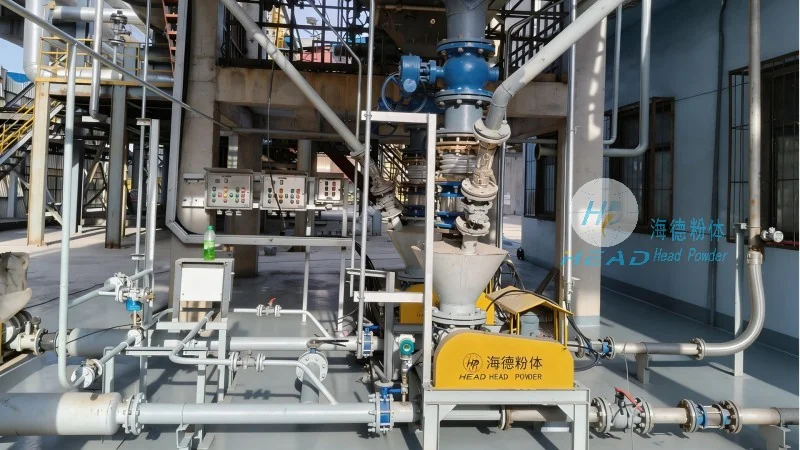
Process Optimization and Maintenance
Optimizing the conveying system process is essential for maximizing efficiency and minimizing downtime. Regular maintenance of the system components is crucial to prevent issues such as blockages, leaks, or wear. The feeder and rotary valve should be inspected and lubricated as per the manufacturer's recommendations to ensure smooth operation. The pipeline should be checked for any signs of corrosion or damage, and the air compressor should be maintained to ensure consistent air pressure. Process parameters, such as flow rate and air pressure, should be monitored and adjusted as needed to maintain optimal performance. For example, if the flow rate is too high, it may lead to increased pressure drop and potential blockages, while too low a flow rate may result in inefficient material transport. By carefully monitoring and adjusting these parameters, the system can operate at its peak efficiency, reducing energy consumption and maintenance costs.
Conclusion
Shandong HeadPowder Engineering Co., Ltd. offers comprehensive solutions for the technical parameters and conveying system processes of cement fly ash. By understanding and implementing the key parameters and efficient processes outlined in this article, industrial facilities can ensure reliable and cost-effective handling of cement fly ash. The company's expertise in engineering and design enables the development of customized systems that meet the specific needs of each application, ensuring optimal performance and compliance with industry standards.