With more than 10‑year industry experience, Shandong Headpowder delivers full‑service pneumatic‑conveying systems and blowers, undertaking nationwide turn‑key powder‑handling projects.
HeadPowder, a leading provider in the field of material handling solutions, specializes in the design, manufacturing, and implementation of advanced pneumatic conveying systems tailored for the transportation of cobalt hydroxide. As a key component in the production of lithium-ion batteries, cobalt hydroxide requires efficient and reliable transport methods to ensure smooth industrial processes. This article explores the various types of pneumatic conveying systems utilized in cobalt hydroxide transport and their practical applications, highlighting the expertise of Shandong HeadPowder Engineering Co., Ltd., headquartered in China, Shandong.
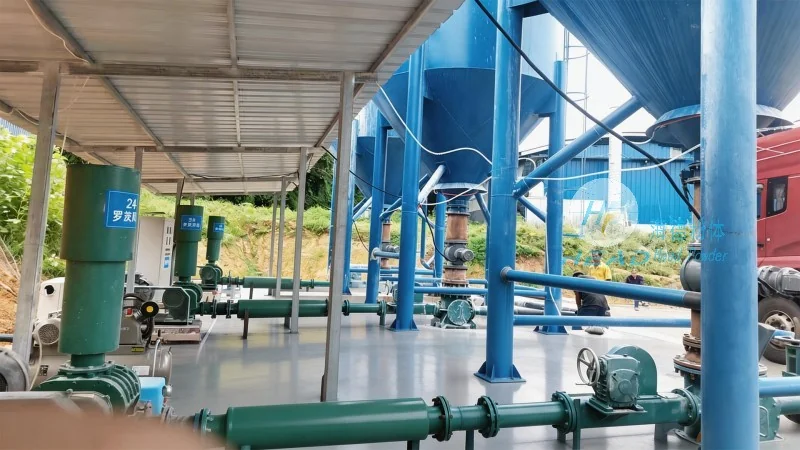
Pneumatic conveying systems are essential for moving bulk materials like cobalt hydroxide, which are often sensitive to handling conditions and require minimal contamination. These systems use air or other gases to transport materials through a pipeline network, offering advantages such as dust control, reduced material degradation, and the ability to handle materials in a closed system. The primary types of pneumatic conveying systems include positive pressure, negative pressure, and mixed pressure systems, each with distinct characteristics suited to different operational needs.
Positive pressure systems operate by blowing air or gas into the conveying line, creating a pressure higher than the ambient air pressure. This method is commonly used for short to medium-distance transport and is ideal for applications where the material is non-abrasive and requires gentle handling. In the context of cobalt hydroxide, positive pressure systems can effectively transport the material from storage silos to processing equipment without the need for complex vacuum setups. The system typically consists of a blower, a hopper, and a pipeline network, with the material being drawn into the line by the pressure differential. HeadPowder’s expertise lies in customizing positive pressure systems to handle the specific properties of cobalt hydroxide, ensuring optimal flow rates and minimal material degradation.
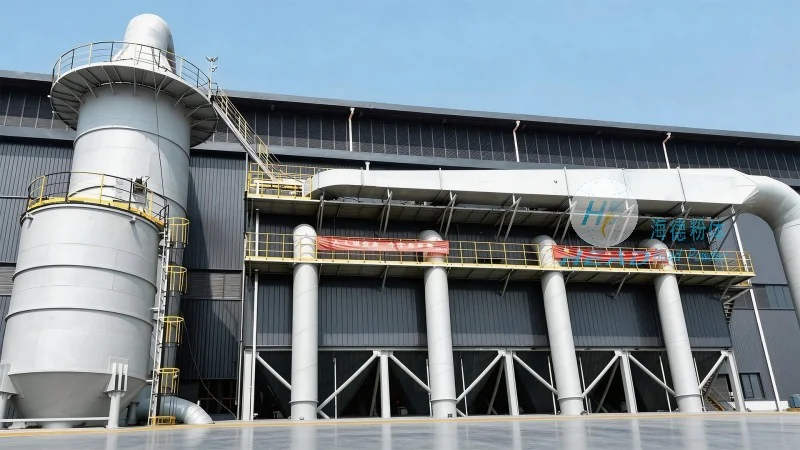
Negative pressure systems, also known as vacuum conveying systems, operate by creating a vacuum in the conveying line, which draws material from the source into the pipeline. This method is particularly suitable for long-distance transport and for materials that are light or have low bulk density, such as cobalt hydroxide. Negative pressure systems are often preferred in applications where the material needs to be transported from multiple points or where the source is elevated. The system includes a vacuum pump, a hopper, and a collection bin, with the material being pulled into the line by the pressure difference. Shandong HeadPowder Engineering Co., Ltd. has developed advanced negative pressure systems that can handle the fine particles of cobalt hydroxide, maintaining high efficiency and low maintenance costs.
Mixed pressure systems combine elements of both positive and negative pressure systems, offering flexibility in handling different material characteristics and operational requirements. These systems use a combination of pressure and vacuum to transport materials, making them suitable for a wide range of applications, including the transport of cobalt hydroxide over varying distances and through complex pipeline networks. The mixed pressure approach allows for better control over material flow and can reduce energy consumption compared to single-pressure systems. HeadPowder engineers have implemented mixed pressure systems in various industrial settings, demonstrating their effectiveness in maintaining consistent material quality and operational efficiency.
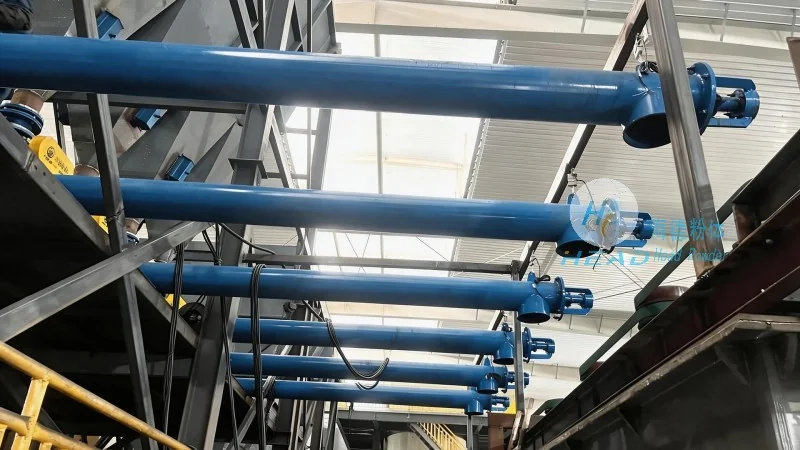
The practical application of pneumatic conveying systems in cobalt hydroxide transport is critical for the overall efficiency of battery production facilities. These systems are used in several stages of the cobalt hydroxide processing, from raw material handling to final product packaging. For instance, in the initial stages, positive pressure systems may be used to transport cobalt hydroxide from bulk storage to mixing and grinding equipment. As the material moves through the production line, negative pressure systems can be employed to transfer it to drying and filtration units, ensuring that the material remains in a controlled environment. The closed-loop nature of pneumatic conveying systems also helps in maintaining product purity and reducing environmental contamination, which is vital for compliance with industrial regulations.
Implementing pneumatic conveying systems for cobalt hydroxide transport offers several advantages over traditional methods like belt conveyors or bucket elevators. One of the key benefits is the ability to handle fine and abrasive materials without causing excessive wear on equipment. Cobalt hydroxide particles are often small and can be abrasive, which can lead to increased maintenance costs and reduced system lifespan with other transport methods. Pneumatic systems, however, use flexible hoses or rigid pipelines with specialized liners to minimize wear and extend the operational life of the equipment. Additionally, these systems provide better dust control, as the material is contained within the pipeline, reducing the risk of airborne particles and improving workplace safety. HeadPowder’s systems are designed with these advantages in mind, ensuring that clients receive reliable and efficient solutions tailored to their specific cobalt hydroxide handling needs.

 Shandong Headpowder Engineering Co., Ltd.
 156-6277-7102(Manager Zhang)
  0531-83386006
  Zhangqiu District, Jinan City, Shandong Province, China
telephone
WeChatconsult
top