

Types and Practical Applications of Pneumatic Conveying Systems for Sweet Potato Starch Transport
HeadPowder Engineering, a leading provider in the field, specializes in the design and implementation of efficient pneumatic conveying systems tailored for the transport of sweet potato starch. This article explores the various types of these systems and their practical applications in industrial settings.
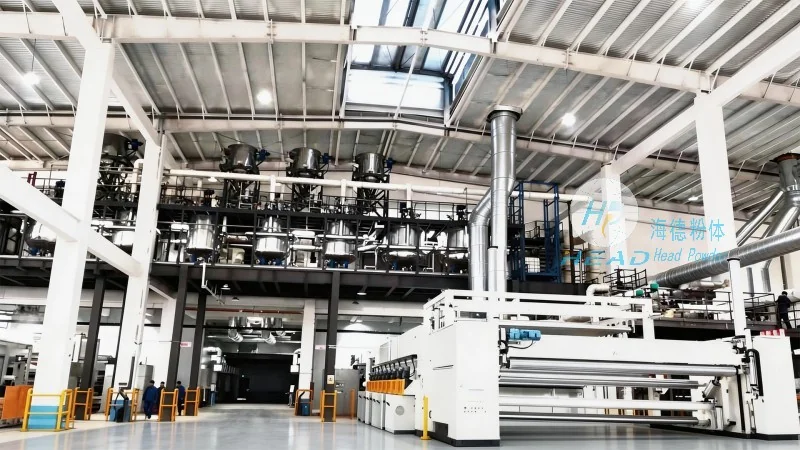
Introduction to Pneumatic Conveying Systems for Sweet Potato Starch
Pneumatic conveying systems are widely utilized in the food processing industry, particularly for handling fine powders like sweet potato starch. These systems use air or gas to transport materials through a pipeline, offering advantages such as minimal product contamination, reduced labor costs, and the ability to handle materials in a closed environment. For sweet potato starch, which is a key ingredient in various food products, the selection of an appropriate pneumatic conveying system is crucial to maintain product quality and ensure smooth operational processes.
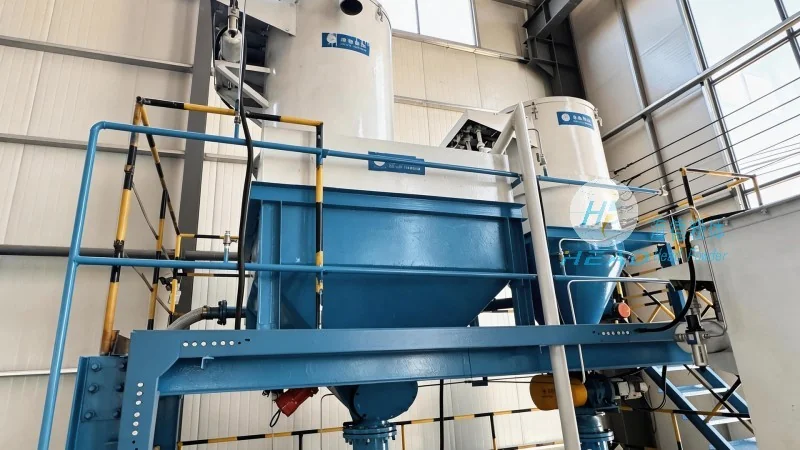
Types of Pneumatic Conveying Systems
There are several types of pneumatic conveying systems, each with distinct characteristics and applications. The primary categories include pressure systems, vacuum systems, and hybrid systems. Pressure systems, also known as positive pressure systems, use compressed air to push the material through the pipeline. They are suitable for long-distance transport and can handle a wide range of materials, including sweet potato starch. Vacuum systems, or negative pressure systems, use suction to draw the material into the pipeline. These systems are ideal for short-distance transport and are often used in applications where the material needs to be collected from multiple sources. Hybrid systems combine elements of both pressure and vacuum systems, offering flexibility in handling different material characteristics and operational requirements.
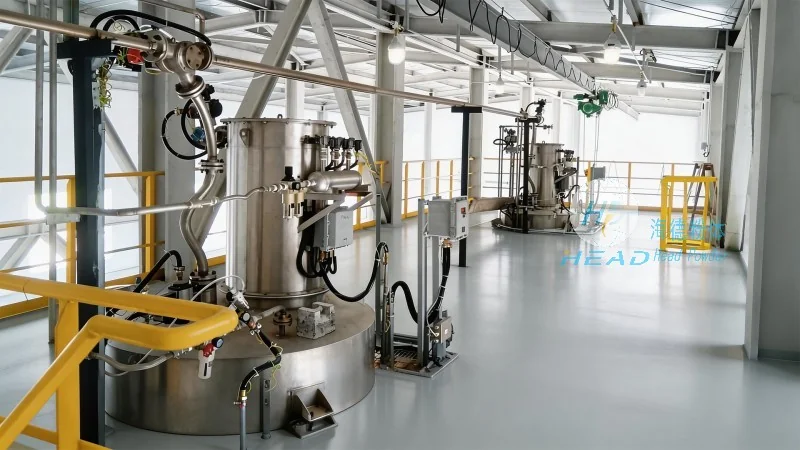
Practical Applications in Sweet Potato Starch Processing
The practical application of pneumatic conveying systems in sweet potato starch processing varies based on the specific needs of the facility. For instance, in large-scale starch production plants, pressure pneumatic conveying systems are commonly employed to transport starch from storage silos to processing units. This method ensures a continuous flow of material, minimizing downtime and enhancing production efficiency. Additionally, vacuum systems are used in smaller processing facilities or for handling starch from intermediate storage bins, allowing for precise control over the material flow. In both cases, the systems are designed to maintain the purity of the sweet potato starch, preventing contamination from external sources and preserving its quality for downstream applications.
Key Considerations for System Selection
When selecting a pneumatic conveying system for sweet potato starch transport, several factors must be considered. These include the material's properties, such as particle size, moisture content, and flowability, as well as the distance and volume of material to be transported. The system's capacity and pressure requirements are also critical. HeadPowder Engineering conducts thorough assessments of these factors to recommend the most suitable system for each client. Our expertise ensures that the chosen system not only meets the operational needs but also adheres to industry standards and safety regulations.
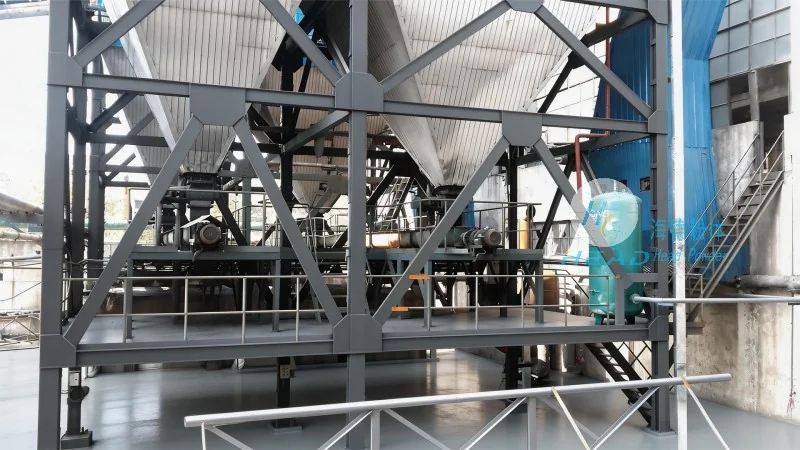
Conclusion
Pneumatic conveying systems play a vital role in the efficient and reliable transport of sweet potato starch. By understanding the different types and their practical applications, processing facilities can optimize their operations and maintain product quality. HeadPowder Engineering, with its comprehensive knowledge and experience, provides tailored solutions that address the unique challenges of sweet potato starch processing, ensuring that clients achieve maximum efficiency and cost-effectiveness in their material handling processes.