With more than 10‑year industry experience, Shandong Headpowder delivers full‑service pneumatic‑conveying systems and blowers, undertaking nationwide turn‑key powder‑handling projects.
Caustic soda, also known as sodium hydroxide, is a critical chemical widely used in various industrial processes, including chemical manufacturing, paper production, and water treatment. The efficient and safe transportation of caustic soda is essential to ensure smooth operations and maintain product quality. Pneumatic conveying systems have emerged as a reliable and effective method for handling caustic soda, offering advantages such as reduced material handling costs, improved safety, and enhanced process control. This article explores the different types of pneumatic conveying systems used in caustic soda transport and their practical applications.
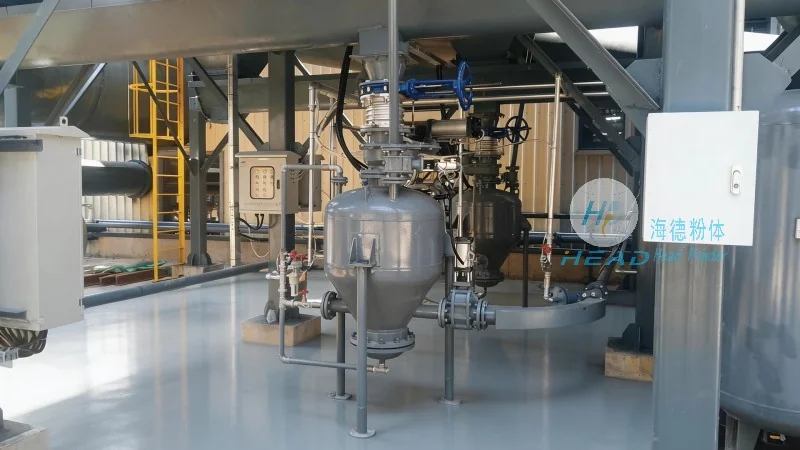
Pneumatic conveying systems utilize air or gas to transport bulk materials, including caustic soda, from one location to another. These systems are designed to handle the unique properties of caustic soda, such as its corrosive nature and potential to generate heat during handling. The primary goal of these systems is to provide a safe, efficient, and cost-effective solution for transporting caustic soda while minimizing the risk of accidents and contamination.
There are several types of pneumatic conveying systems commonly used for caustic soda transport, each with its own advantages and applications. The choice of system depends on factors such as the material's properties, the distance to be covered, and the required flow rate.
Positive pressure systems operate by blowing air or gas into the conveying line, creating a pressure higher than the ambient air pressure. This method is suitable for transporting caustic soda over longer distances and through complex piping networks. The positive pressure ensures that the material is continuously pushed forward, reducing the risk of clogging and ensuring consistent flow. These systems are often used in large-scale industrial applications where high throughput is required.
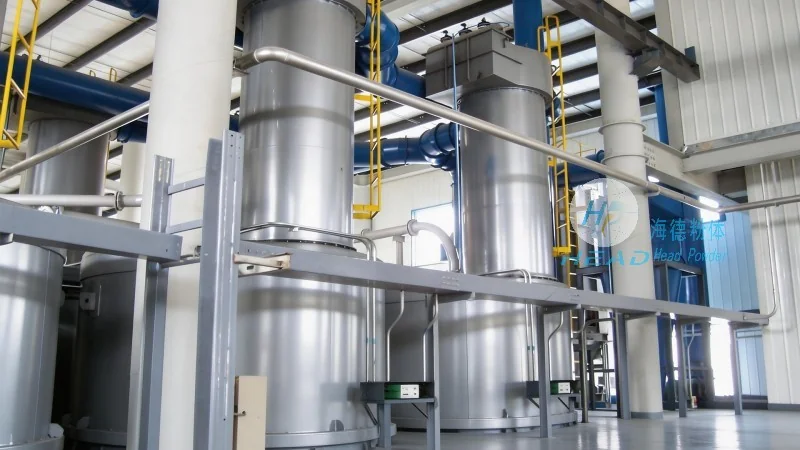
Negative pressure systems, also known as vacuum conveying systems, operate by creating a vacuum in the conveying line, drawing the caustic soda material into the system. This method is ideal for short-distance transport and for handling materials that are sensitive to pressure changes or for applications where the material needs to be collected from multiple points. Negative pressure systems are commonly used in smaller-scale operations or for handling caustic soda in a more controlled environment.
Mixing pressure systems combine elements of both positive and negative pressure systems. They operate by using a combination of air and vacuum to transport the material, allowing for flexibility in handling different material types and distances. These systems are particularly useful when transporting caustic soda in varying conditions or when the system needs to accommodate different flow rates. Mixing pressure systems offer a balanced approach to pneumatic conveying, providing both efficiency and adaptability.
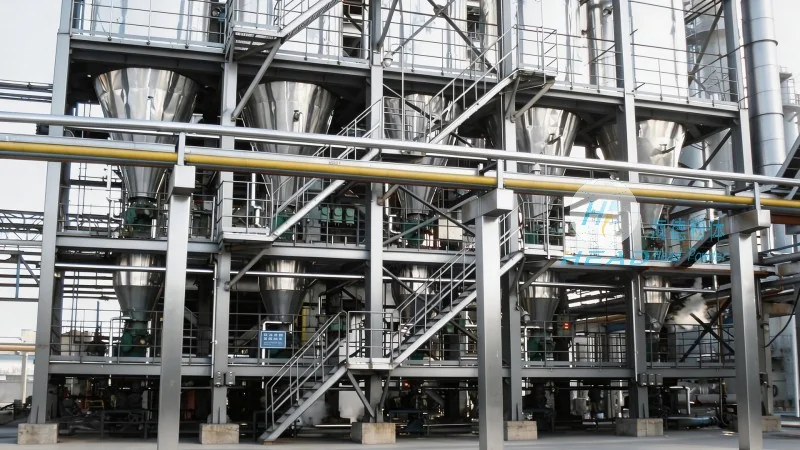
Pneumatic conveying systems for caustic soda find widespread application in various industries. In the chemical industry, these systems are used to transport caustic soda between reactors, storage tanks, and processing units, ensuring a continuous supply of the chemical. In the paper industry, caustic soda is used as a pulping agent, and pneumatic conveying systems help in transporting it from storage to the papermaking machines. Additionally, in water treatment facilities, caustic soda is used to adjust pH levels, and pneumatic conveying systems facilitate its transport to the treatment plants.
Implementing pneumatic conveying systems for caustic soda transport offers numerous benefits. Firstly, these systems reduce the need for manual handling, minimizing the risk of accidents and exposure to the corrosive nature of caustic soda. Secondly, they improve process efficiency by ensuring consistent and reliable material flow, which is crucial for maintaining product quality and reducing downtime. Thirdly, pneumatic conveying systems are cost-effective in the long run, as they reduce labor costs and equipment maintenance compared to traditional bulk handling methods. Finally, these systems provide better control over the material handling process, allowing for precise dosing and monitoring of the caustic soda transport.
Pneumatic conveying systems are a vital component in the efficient and safe transportation of caustic soda. The different types of systems, including positive pressure, negative pressure, and mixing pressure, offer flexible solutions tailored to various industrial needs. By understanding the characteristics of caustic soda and the capabilities of each pneumatic conveying system, industries can select the most appropriate solution to meet their specific requirements. As a leading provider of engineering solutions, Shandong HeadPowder Engineering Co., Ltd. specializes in designing and implementing pneumatic conveying systems for caustic soda transport, ensuring optimal performance and safety in industrial applications.

 Shandong Headpowder Engineering Co., Ltd.
 156-6277-7102(Manager Zhang)
  0531-83386006
  Zhangqiu District, Jinan City, Shandong Province, China
telephone
WeChatconsult
top