With more than 10‑year industry experience, Shandong Headpowder delivers full‑service pneumatic‑conveying systems and blowers, undertaking nationwide turn‑key powder‑handling projects.
Pneumatic conveying systems have become an essential solution for transporting small stones and similar bulk materials in various industrial applications. These systems utilize air or gas to move particles through a pipeline, offering advantages such as low maintenance, flexibility, and the ability to handle materials in a dust-free environment. For industries dealing with small stone transport, selecting the right type of pneumatic conveying system is crucial to ensure efficiency, reliability, and cost-effectiveness.
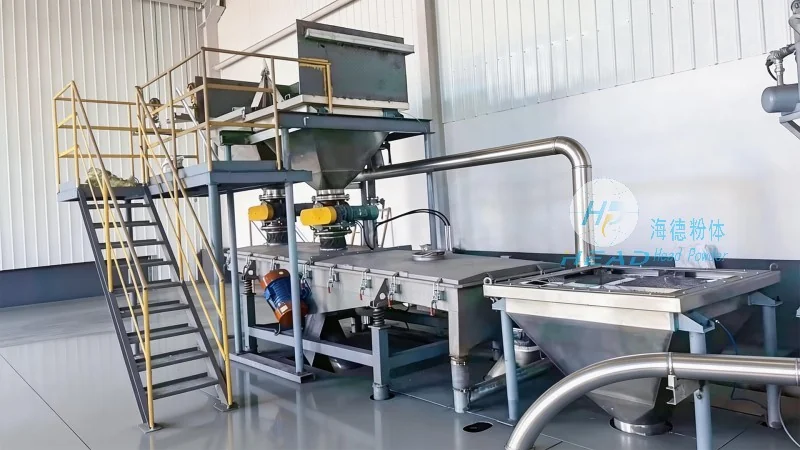
There are primarily three types of pneumatic conveying systems used for small stone transport: suction (or aspirating) systems, pressure (or blow) systems, and combined (or mixed) systems. Each type has distinct characteristics and is suitable for different operational conditions and material handling requirements.
1. **Suction Pneumatic Conveying Systems**: These systems operate by creating a negative pressure (vacuum) at the material inlet to draw the small stones into the pipeline. The air and material mixture is then transported to the discharge point. Suction systems are ideal for applications where the material source is at a higher elevation than the discharge point, as they can effectively pull materials up and over obstacles. They are commonly used in mining, construction, and quarry operations for transporting crushed stone or gravel from stockpiles to processing facilities.
2. **Pressure Pneumatic Conveying Systems**: In contrast to suction systems, pressure systems generate positive pressure at the discharge end to push the material through the pipeline. This type of system is typically used when the material source is at a lower elevation than the discharge point, as it can efficiently transport materials over long distances and through multiple bends. Pressure systems are often preferred for applications requiring high flow rates and consistent material delivery, such as in cement plants or large-scale construction projects where large volumes of small stones need to be moved.
3. **Combined Pneumatic Conveying Systems**: As the name suggests, combined systems integrate both suction and pressure principles. They may start with a suction phase to collect material from a source and then switch to a pressure phase to transport it to the destination. This hybrid approach allows for greater flexibility in handling materials from different elevations and over varying distances. Combined systems are suitable for complex material handling scenarios, such as in recycling facilities or industrial plants where materials need to be transferred between multiple locations with varying heights and distances.
Pneumatic conveying systems for small stone transport find widespread use in several industries, each leveraging the system's capabilities to enhance operational efficiency and productivity. Here are some key practical applications:
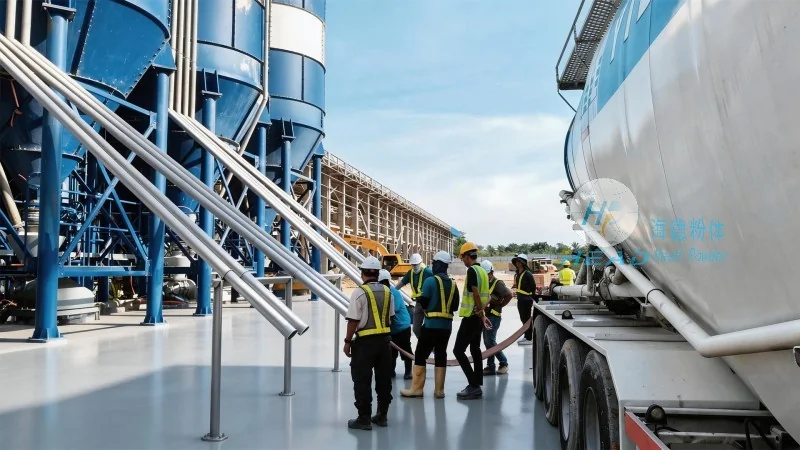
1. **Mining and Quarry Operations**: In mining and quarrying, pneumatic conveying systems are used to transport crushed stone, gravel, and other mineral products from extraction sites to processing plants or storage areas. The systems can handle abrasive materials without causing significant wear to the equipment, making them ideal for long-term use in harsh environments. For example, a quarry in Shandong, China, utilizes a suction pneumatic conveying system to move small stones from the stockpile to a crushing machine, reducing the need for manual handling and improving safety.
2. **Construction and Building Materials Industry**: The construction industry relies heavily on pneumatic conveying systems to transport small stones, sand, and other aggregates to building sites or storage facilities. These systems enable quick and efficient material delivery, which is crucial for meeting project deadlines. A construction company in China uses a pressure pneumatic conveying system to transport gravel from a local quarry to a construction site, ensuring a steady supply of materials without interruptions.
3. **Cement and Concrete Production**: In cement plants, pneumatic conveying systems are used to transport raw materials such as limestone, clay, and sand to the production line. The systems help maintain a consistent flow of materials, which is essential for producing high-quality cement. A cement manufacturer in Shandong uses a combined pneumatic conveying system to transport small stones from a nearby quarry to the raw material storage area, optimizing the production process and reducing downtime.
4. **Recycling and Waste Management**: Pneumatic conveying systems are also applied in recycling facilities to transport recycled materials, including small stones and aggregates, from sorting areas to processing or storage locations. The systems help maintain a clean and organized workflow, reducing the risk of material contamination. A recycling plant in China utilizes a suction pneumatic conveying system to move small stones from a sorting conveyor to a storage silo, improving the efficiency of the recycling process.
When selecting a pneumatic conveying system for small stone transport, several factors need to be considered to ensure optimal performance and cost-effectiveness. These factors include the material characteristics (such as particle size, density, and moisture content), the distance and elevation changes between the source and discharge points, the required flow rate, and the system's maintenance requirements.
Material characteristics play a critical role in determining the type of system to use. For example, if the small stones are fine and dry, a pressure system may be more suitable due to its higher flow capacity. Conversely, if the material is coarse and contains moisture, a suction system might be preferred to avoid clogging and ensure smooth operation. The distance and elevation changes also influence the system design, as longer distances or significant elevation changes may require more powerful blowers or additional components to maintain the material's flow.
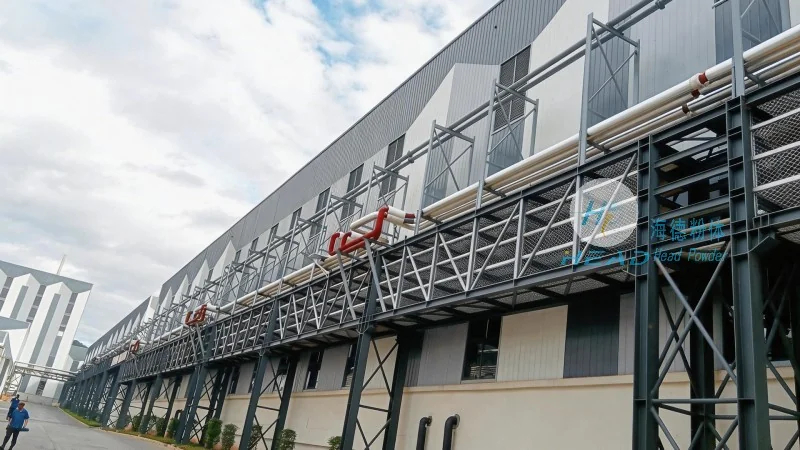
Flow rate is another important consideration, as it directly impacts the system's capacity and the overall production efficiency. The required flow rate depends on the application's needs, such as the production rate of a processing plant or the construction project's material demand. Proper sizing of the pipeline, blower, and other components is essential to achieve the desired flow rate without excessive energy consumption.
Maintenance requirements are also a key factor, as pneumatic conveying systems require regular maintenance to ensure long-term reliability. Components such as filters, blowers, and pipeline seals need to be inspected and replaced periodically to prevent breakdowns and reduce downtime. Companies like Shandong HeadPowder Engineering Co., Ltd. offer comprehensive maintenance services and spare parts to support their clients' pneumatic conveying systems, ensuring they operate efficiently and effectively.
Shandong HeadPowder Engineering Co., Ltd., commonly known as HeadPowder, is a leading provider of pneumatic conveying systems and related engineering solutions for small stone transport. With years of experience in the industry, HeadPowder specializes in designing, manufacturing, and installing customized pneumatic conveying systems tailored to the specific needs of its clients. The company's headquarters is located in Shandong, China, and it serves a wide range of industries, including mining, construction, cement production, and recycling.
HeadPowder's team of experienced engineers and technicians work closely with clients to understand their material handling challenges and develop optimal solutions. The company offers a range of pneumatic conveying systems, including suction, pressure, and combined systems, to meet different operational requirements. Whether a client needs a system for short-distance transport or a long-distance, high-capacity solution, HeadPowder provides tailored designs that enhance efficiency and reduce operational costs.
HeadPowder is committed to providing high-quality products and services, ensuring that its clients' pneumatic conveying systems operate reliably and efficiently. The company adheres to strict quality control standards and uses advanced manufacturing techniques to produce durable and long-lasting equipment. With a focus on customer satisfaction and technical excellence, HeadPowder has established itself as a trusted partner in the pneumatic conveying industry.

 Shandong Headpowder Engineering Co., Ltd.
 156-6277-7102(Manager Zhang)
  0531-83386006
  Zhangqiu District, Jinan City, Shandong Province, China
telephone
WeChatconsult
top