With more than 10‑year industry experience, Shandong Headpowder delivers full‑service pneumatic‑conveying systems and blowers, undertaking nationwide turn‑key powder‑handling projects.
HeadPowder Engineering Co., Ltd. is a professional manufacturer and supplier of pneumatic conveying systems, specializing in solutions for frac sand transport. Based in Shandong, China, the company provides high-quality equipment tailored to the needs of the oil and gas industry. This article explores the different types of pneumatic conveying systems used in frac sand handling and their practical applications.
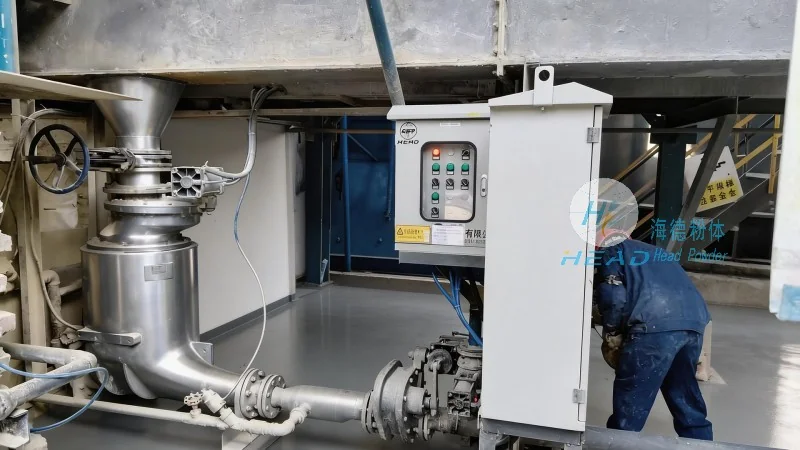
Pneumatic conveying systems are essential for efficiently transporting frac sand, a critical component in hydraulic fracturing operations. These systems use air or gas to move abrasive materials like sand through pipelines, offering advantages such as reduced maintenance, lower labor costs, and the ability to handle materials in hazardous environments. The choice of system depends on factors including material properties, distance, and throughput requirements.
There are several types of pneumatic conveying systems, each with distinct characteristics suitable for different applications. The primary categories include:
Dilute phase systems operate at high velocities, typically 20-30 meters per second, with a low solids concentration (usually less than 10% by volume). This method is ideal for long-distance transport, as it minimizes pressure drop and requires less energy compared to dense phase systems. The system uses a positive pressure or vacuum to move the material, with the air acting as a carrier. Dilute phase systems are commonly used for transporting frac sand over distances of several kilometers, making them suitable for large-scale operations.
Dense phase systems operate at lower velocities (5-15 meters per second) and higher solids concentrations (up to 50% by volume). This method is preferred for short-distance transport or when the material is sensitive to high velocities, as it reduces wear on equipment and minimizes material degradation. Dense phase systems use a positive pressure or vacuum to move the material, with the air acting as a cushion. This approach is particularly useful for transporting frac sand to well sites where the material needs to be delivered gently and without damage.
Hybrid systems combine elements of both dilute and dense phase operations, offering flexibility in handling different material characteristics and transport distances. These systems can switch between high and low velocities as needed, optimizing energy consumption and material handling efficiency. Hybrid systems are suitable for complex applications where the transport distance or material properties vary, such as in multi-well sites or when integrating with existing infrastructure.
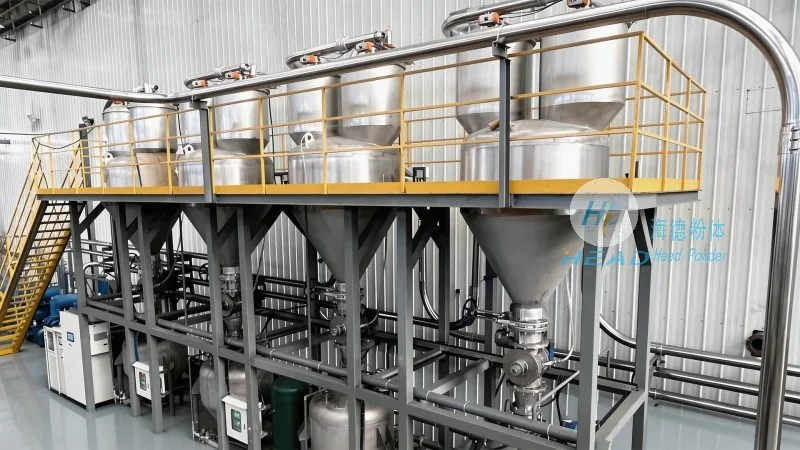
HeadPowder Engineering Co., Ltd. has successfully implemented pneumatic conveying systems in various real-world scenarios, demonstrating their effectiveness in frac sand transport. The following are some practical applications:
At oil and gas well sites, pneumatic conveying systems are used to transport frac sand from storage facilities to the fracturing equipment. The systems ensure that the sand is delivered in a controlled manner, maintaining consistent particle size and preventing clogging or blockages in pipelines. This is crucial for maintaining the efficiency of hydraulic fracturing operations, as the quality and delivery of frac sand directly impact the success of the treatment.
In frac sand processing plants, pneumatic conveying systems are employed to move sand from crushing and screening units to storage silos or to other processing stages. The systems help streamline the production process by reducing manual handling and improving material flow. This enhances overall plant efficiency and reduces the risk of material loss or contamination.
For operations requiring the transport of frac sand over long distances, dilute phase pneumatic conveying systems are preferred. These systems can handle large volumes of material and maintain consistent pressure and flow rates, ensuring reliable delivery to remote well sites. The use of high-velocity air minimizes the risk of material settling or clogging in the pipelines, making it a reliable solution for long-distance transport.
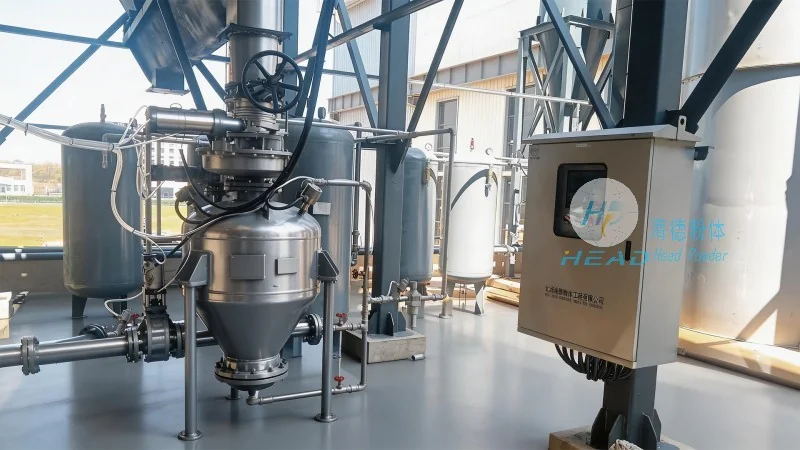
Implementing pneumatic conveying systems for frac sand transport offers several advantages over traditional methods. These include:
Pneumatic systems have fewer moving parts compared to mechanical conveyors, leading to lower maintenance requirements and costs. The absence of belts, chains, or other mechanical components reduces the risk of wear and tear, extending the lifespan of the equipment.
By eliminating the need for manual handling of heavy or abrasive materials, pneumatic systems enhance workplace safety. The enclosed pipeline system also reduces the risk of dust exposure and other environmental hazards, making it a safer option for workers and the surrounding environment.
Modern pneumatic conveying systems are designed to be energy-efficient, using optimized air flow and pressure control to minimize energy consumption. This not only reduces operational costs but also aligns with sustainability goals in the oil and gas industry.
HeadPowder Engineering Co., Ltd. provides comprehensive pneumatic conveying solutions tailored to the specific needs of frac sand transport. By understanding the different types of systems and their practical applications, operators can select the most suitable equipment for their operations. The company's expertise in designing and manufacturing high-quality pneumatic systems ensures reliable and efficient transport of frac sand, contributing to the success of hydraulic fracturing projects. With a focus on innovation and customer satisfaction, HeadPowder continues to serve the oil and gas industry with advanced material handling solutions.

 Shandong Headpowder Engineering Co., Ltd.
 156-6277-7102(Manager Zhang)
  0531-83386006
  Zhangqiu District, Jinan City, Shandong Province, China
telephone
WeChatconsult
top