With more than 10‑year industry experience, Shandong Headpowder delivers full‑service pneumatic‑conveying systems and blowers, undertaking nationwide turn‑key powder‑handling projects.
Pneumatic conveying systems have become a critical technology in the efficient and safe transport of dust and particulate materials across various industrial sectors. These systems utilize air or gas to move bulk materials through a pipeline, offering advantages such as reduced labor costs, minimized material contamination, and improved process control. The selection of an appropriate pneumatic conveying system depends on several factors, including the type of material, the distance of transport, and the required flow rate. This article explores the different types of pneumatic conveying systems commonly used for dust transport and their practical applications in real-world industrial settings.
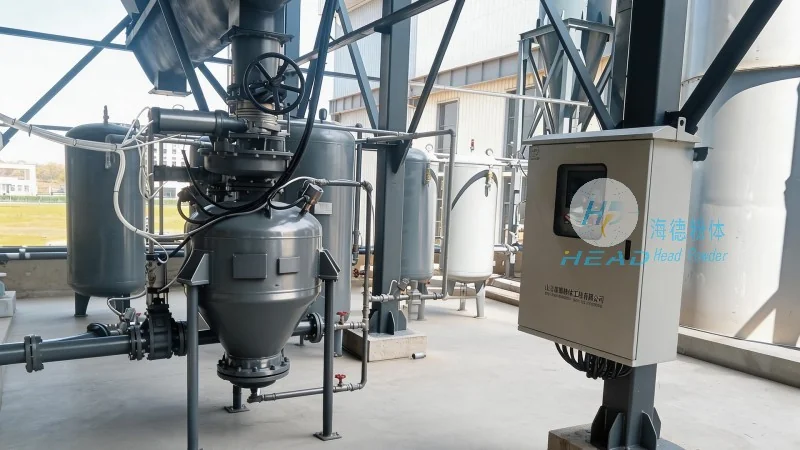
There are primarily two main categories of pneumatic conveying systems: positive pressure and negative pressure systems. Each type has distinct characteristics and is suitable for different operational conditions.
Positive Pressure Systems operate by blowing air or gas into the material to be conveyed, creating a pressure higher than the ambient air. This method is ideal for transporting materials over longer distances and handling abrasive or corrosive powders. The positive pressure system typically uses a blower or a positive displacement compressor at the inlet, ensuring a consistent flow of material. The system is often enclosed, which helps in controlling dust emissions and maintaining a clean environment. Positive pressure systems are commonly used in applications where the material is sensitive to moisture or where high pressure is required to overcome significant resistance.
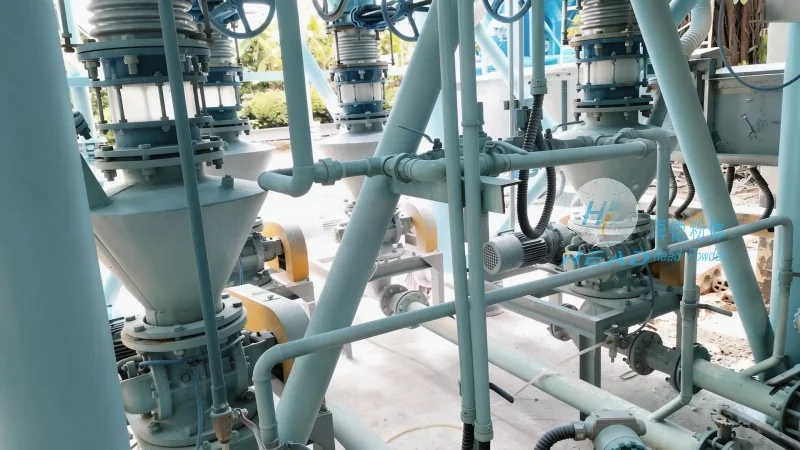
Negative Pressure Systems, also known as vacuum systems, operate by creating a vacuum at the inlet, drawing material into the system. This approach is suitable for shorter transport distances and handling materials that are not highly abrasive. The vacuum system uses a fan or a vacuum pump to create the negative pressure, and the material is drawn into the pipeline through a hopper or a feeder. Negative pressure systems are generally less expensive to install and maintain compared to positive pressure systems, making them a cost-effective option for many applications. However, they may not be suitable for transporting large quantities of material over long distances due to the limitations in airflow and pressure.
Mixed-Pressure Systems combine elements of both positive and negative pressure systems. These systems use a combination of positive and negative pressure zones to optimize the transport process. For instance, a mixed-pressure system might use a positive pressure blower at the material source to push the material into the pipeline, and then a vacuum system to draw the material through the rest of the pipeline. This approach allows for more flexibility in handling different materials and distances, making it suitable for complex transport scenarios. Mixed-pressure systems are often used in applications where the material needs to be transported over varying distances or where the material properties change along the transport path.
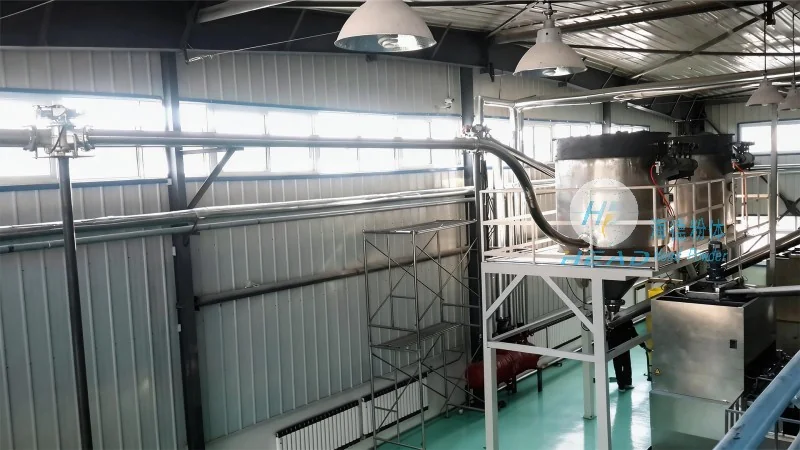
Pneumatic conveying systems are widely used in various industries for the transport of dust and particulate materials. The following are some of the key practical applications where these systems have proven to be effective.
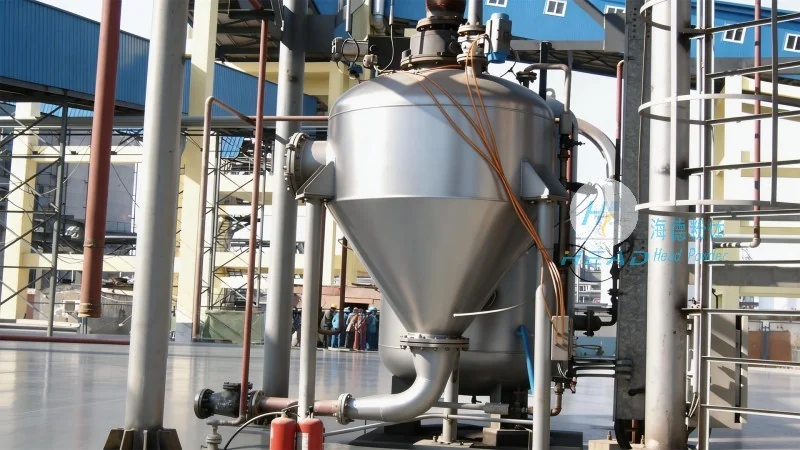
Industrial Dust Handling is one of the most common applications of pneumatic conveying systems. In industries such as mining, cement, and chemical manufacturing, large quantities of dust and powders need to be transported from one location to another. Pneumatic conveying systems provide an efficient and reliable method to handle these materials, reducing the risk of dust explosions and improving workplace safety. For example, in a cement plant, raw materials like limestone and clay are transported from storage silos to the grinding mills using pneumatic conveying systems. The positive pressure system is often used here to ensure that the material is transported over long distances without clogging the pipeline.
Food and Pharmaceutical Industries require strict hygiene and contamination control measures. Pneumatic conveying systems are used to transport food powders, such as flour, sugar, and spices, as well as pharmaceutical powders. The systems are designed to be clean and easy to maintain, with materials that are resistant to corrosion and easy to clean. The negative pressure system is often preferred in these industries to minimize the risk of cross-contamination and to maintain a sterile environment. The use of pneumatic conveying systems in these industries helps to ensure that the final products meet the highest quality standards.

 Shandong Headpowder Engineering Co., Ltd.
 156-6277-7102(Manager Zhang)
  0531-83386006
  Zhangqiu District, Jinan City, Shandong Province, China
telephone
WeChatconsult
top