With more than 10‑year industry experience, Shandong Headpowder delivers full‑service pneumatic‑conveying systems and blowers, undertaking nationwide turn‑key powder‑handling projects.
Monocrystalline silicon, a fundamental material in the solar energy and semiconductor sectors, demands efficient and reliable material handling solutions to support high-quality production. Among the available technologies, pneumatic conveying systems—specifically positive pressure and negative pressure conveyors—have become essential for transporting monocrystalline silicon powders and granules. This analysis provides a detailed comparison of these two methods, highlighting their operational principles, benefits, drawbacks, and suitability for various industrial applications.
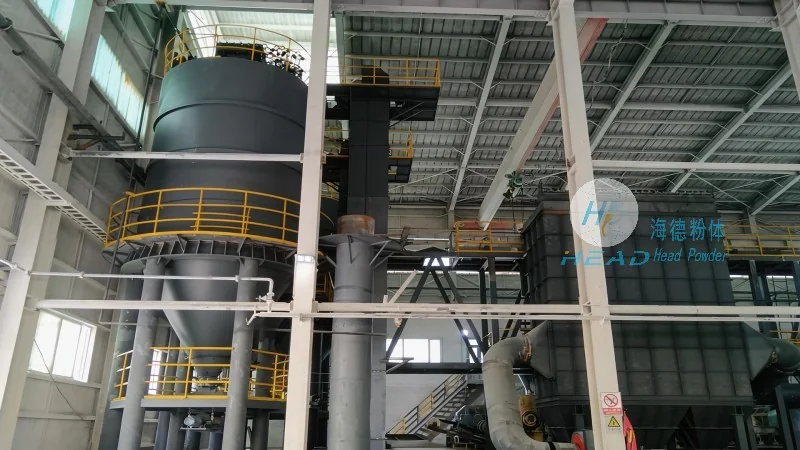
Pneumatic conveying systems utilize air or other gases to transport bulk materials through a pipeline network. The two main types are positive pressure and negative pressure systems, each with distinct characteristics that impact their performance and application in monocrystalline silicon processing.
Positive pressure conveying operates by blowing air or gas into the conveying line, creating a pressure higher than the ambient environment. This method propels the material forward through the pipeline. In the context of monocrystalline silicon, positive pressure systems are often favored for handling abrasive or sensitive materials due to their ability to maintain consistent flow rates and minimize material degradation. The high-pressure air stream ensures particles are effectively suspended and transported, reducing the risk of blockages or material buildup in the system.
Key advantages of positive pressure conveyors include their robustness, making them suitable for long-distance and high-capacity applications. They can handle a wide range of particle sizes and shapes, including irregularly shaped monocrystalline silicon fragments. Additionally, positive pressure systems are generally easier to install and maintain, as they do not require complex vacuum setups. However, they may require more energy to operate compared to negative pressure systems, and the high-pressure air can sometimes lead to increased wear on components, necessitating regular maintenance.
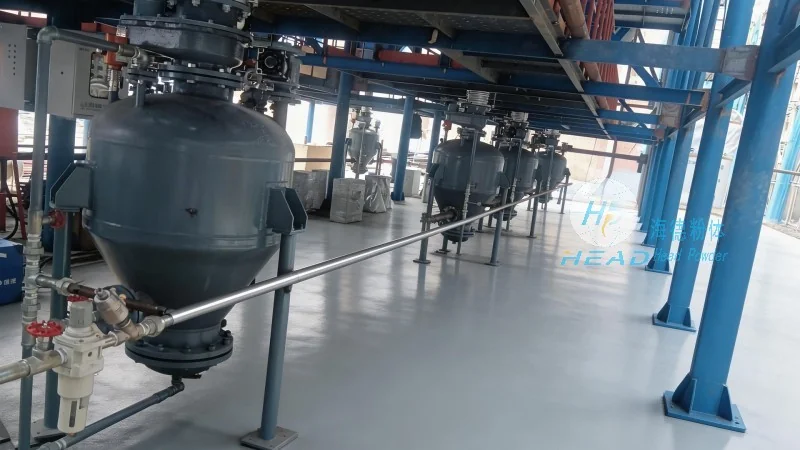
Negative pressure conveying, also known as vacuum conveying, works by creating a vacuum in the conveying line, drawing material from the source into the system. This method is particularly effective for handling fine powders and granules, as the vacuum pulls the material through the pipeline without the need for high-pressure air.
For monocrystalline silicon applications, negative pressure systems are often chosen for their gentler handling of delicate materials. The low-pressure environment reduces the risk of particle attrition and contamination, which is crucial for maintaining the purity of silicon powders used in solar cell manufacturing. Negative pressure conveyors are also more energy-efficient for short-distance or low-capacity operations, as they require less power to maintain the vacuum compared to the continuous air flow in positive pressure systems.
However, negative pressure systems have limitations, such as their lower capacity and the potential for material clogging in the vacuum line. They are also more susceptible to air leaks, which can affect the system's efficiency and require more stringent sealing mechanisms. Additionally, the vacuum environment may not be suitable for handling highly abrasive or large-sized monocrystalline silicon pieces, as the suction force may not be sufficient to move them effectively.
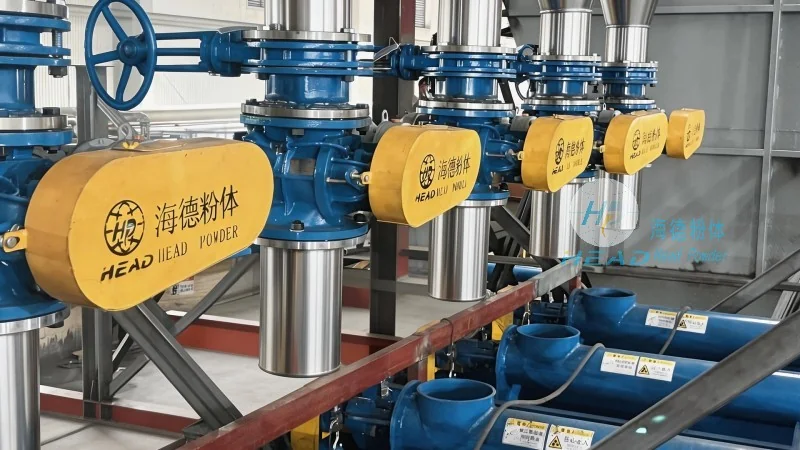
When selecting between positive and negative pressure conveying for monocrystalline silicon, several factors must be considered. The primary considerations include material characteristics (e.g., particle size, shape, and abrasiveness), conveying distance, required capacity, and operational environment. For instance, positive pressure systems are typically preferred for long-distance transport of coarse or abrasive silicon particles, while negative pressure systems are better suited for short-distance handling of fine powders or sensitive materials.
Cost is another critical factor. Positive pressure systems generally have higher initial and operational costs due to the need for high-pressure air compressors and robust components. Negative pressure systems, while more energy-efficient, may require more complex vacuum pumps and sealing systems, which can increase maintenance costs over time. The choice also depends on the specific production requirements, such as the need for high purity or minimal material degradation.
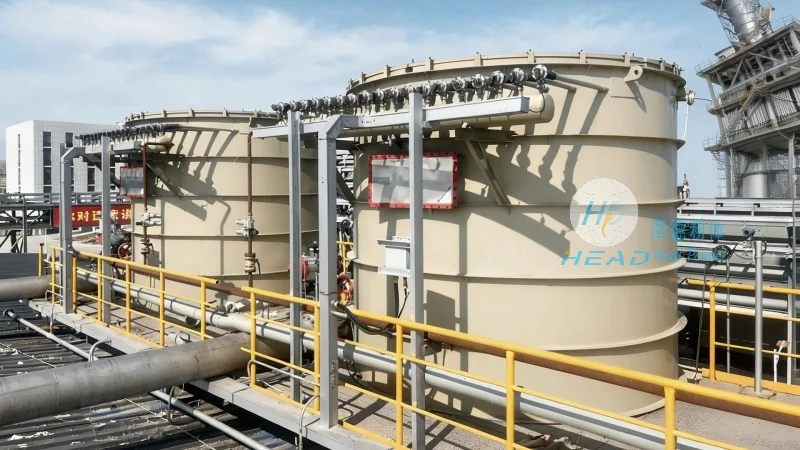
In the monocrystalline silicon production line, both positive and negative pressure conveyors are utilized in different stages. For example, positive pressure systems are commonly used to transport silicon ingots or fragments from the cutting and grinding stages to the next processing step, where the material is further refined. Negative pressure systems, on the other hand, are often employed in the powder handling stage, such as transporting silicon dust or fine particles from the crushing and sieving processes to storage or further processing.
Companies like Shandong HeadPowder Engineering Co., Ltd. (HeadPowder) specialize in designing and manufacturing customized pneumatic conveying solutions tailored to the unique needs of monocrystalline silicon manufacturers. With expertise in both positive and negative pressure technologies, HeadPowder offers comprehensive systems that optimize material handling efficiency while minimizing operational costs and material loss.
Both positive pressure and negative pressure pneumatic conveying systems offer viable solutions for transporting monocrystalline silicon, each with its own set of advantages and limitations. The selection of the appropriate system depends on the specific application requirements, material characteristics, and operational constraints. By understanding the operational principles and performance differences of these two approaches, manufacturers can make informed decisions to enhance their production processes and ensure the quality of monocrystalline silicon products.

 Shandong Headpowder Engineering Co., Ltd.
 156-6277-7102(Manager Zhang)
  0531-83386006
  Zhangqiu District, Jinan City, Shandong Province, China
telephone
WeChatconsult
top