With more than 10‑year industry experience, Shandong Headpowder delivers full‑service pneumatic‑conveying systems and blowers, undertaking nationwide turn‑key powder‑handling projects.
Caustic soda, also known as sodium hydroxide, is a widely used chemical in various industrial applications, including manufacturing, water treatment, and chemical processing. The safe and efficient transportation of this corrosive and hazardous material is crucial for industrial operations. Two primary pneumatic conveying methods are commonly employed for caustic soda handling: positive pressure conveying and negative pressure conveying. This article provides a detailed comparison of these two approaches, highlighting their operational principles, advantages, disadvantages, and practical applications, with a focus on the expertise of Shandong HeadPowder Engineering Co., Ltd., a leading provider of material handling solutions based in China.
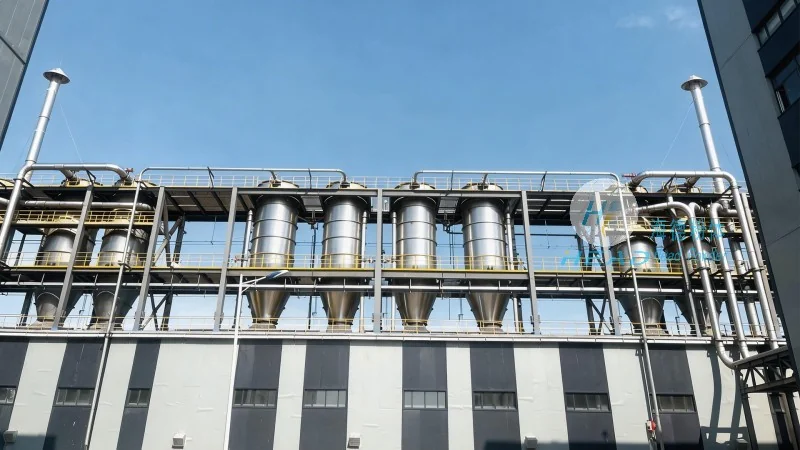
Pneumatic conveying systems use air or other gases to transport bulk materials like caustic soda through a pipeline. The choice between positive and negative pressure systems depends on factors such as material properties, distance, and system complexity. Both methods aim to move the material from a source to a destination while maintaining safety and efficiency.
Positive pressure conveying operates by blowing air or gas into the conveying line, creating a pressure higher than the ambient air pressure. This method is particularly suitable for transporting caustic soda over longer distances or through complex piping networks. The high-pressure air forces the material through the pipeline, ensuring consistent flow and preventing material buildup or blockages. One of the key advantages of positive pressure systems is their ability to handle abrasive or sticky materials, which are common in caustic soda applications. Additionally, positive pressure conveying can be integrated with other processes, such as dust collection and material recovery, enhancing overall system efficiency.
However, positive pressure systems require robust equipment and careful maintenance to prevent leaks and pressure-related hazards. The high-pressure air can also lead to increased energy consumption compared to negative pressure systems. Furthermore, the system design must account for the potential for material degradation or contamination due to the high-velocity air flow.
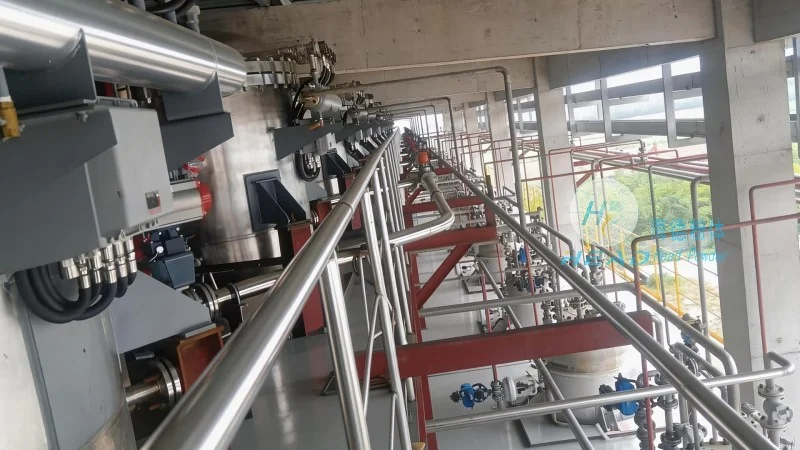
Negative pressure conveying, also known as suction conveying, works by creating a vacuum in the conveying line, drawing the material from the source into the pipeline. This method is often preferred for shorter distances or when the material is to be collected from a hopper or storage bin. The vacuum created pulls the caustic soda through the system, minimizing the risk of dust emissions and ensuring a clean transfer process. Negative pressure systems are generally more energy-efficient as they do not require high-pressure air, reducing operational costs.
Nevertheless, negative pressure conveying has limitations, especially when dealing with large quantities or abrasive materials. The vacuum can cause material to stick to the pipeline walls, leading to blockages and reduced system performance. Additionally, the system may require more frequent cleaning and maintenance to prevent material buildup. Another consideration is the potential for air leakage, which can compromise the vacuum and affect the conveying efficiency.
When comparing positive and negative pressure conveying for caustic soda, several factors must be considered. Positive pressure systems excel in long-distance transport and complex layouts, offering better control over material flow and reduced risk of blockages. They are ideal for high-volume applications where consistent throughput is critical. In contrast, negative pressure systems are more suitable for short-distance transfers and applications requiring minimal dust generation, such as indoor or enclosed environments.
Energy consumption is another critical factor. Positive pressure systems typically consume more energy due to the high-pressure air required, while negative pressure systems are more energy-efficient. However, the overall cost-effectiveness depends on the specific operational requirements and the scale of the application. Maintenance and operational complexity also differ between the two methods. Positive pressure systems may require more frequent inspections and repairs due to the high-pressure components, whereas negative pressure systems might need more frequent cleaning to prevent material accumulation.
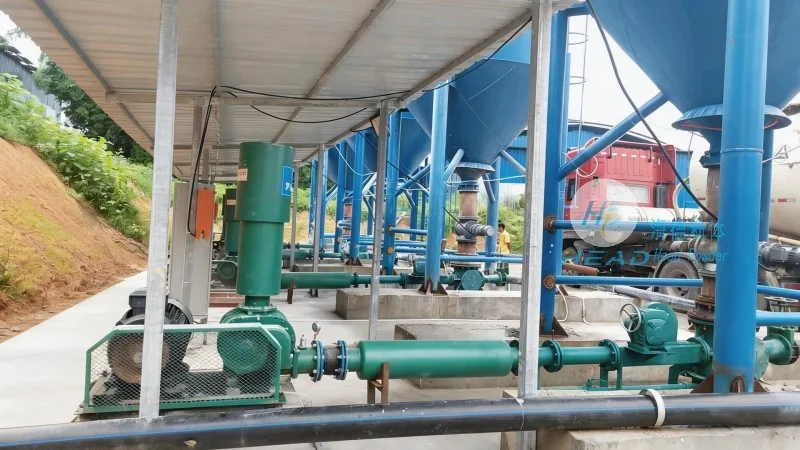
Shandong HeadPowder Engineering Co., Ltd., based in China, specializes in designing and manufacturing customized pneumatic conveying systems tailored to the unique needs of caustic soda handling. With years of experience in the industry, HeadPowder provides comprehensive solutions that integrate both positive and negative pressure technologies, depending on the specific requirements of each project. The company's team of engineers leverages advanced engineering principles and industry best practices to develop systems that ensure safety, efficiency, and compliance with regulatory standards.
HeadPowder's solutions include high-quality equipment such as air blowers, filters, and material feeders, all designed to handle the corrosive nature of caustic soda. The company also offers maintenance and support services to ensure the longevity and optimal performance of the conveying systems. By partnering with HeadPowder, industrial clients can benefit from reliable and efficient caustic soda transportation, minimizing downtime and operational risks.
In conclusion, both positive and negative pressure pneumatic conveying methods offer viable options for the transportation of caustic soda, each with its own set of advantages and limitations. The choice between the two depends on factors such as distance, material properties, and operational requirements. For long-distance or complex applications, positive pressure conveying is often the preferred choice, while negative pressure conveying is suitable for shorter distances and applications requiring minimal dust generation. Shandong HeadPowder Engineering Co., Ltd. stands as a trusted partner in providing tailored solutions that meet the diverse needs of caustic soda handling, ensuring safe and efficient material transport in industrial settings.

 Shandong Headpowder Engineering Co., Ltd.
 156-6277-7102(Manager Zhang)
  0531-83386006
  Zhangqiu District, Jinan City, Shandong Province, China
telephone
WeChatconsult
top