With more than 10‑year industry experience, Shandong Headpowder delivers full‑service pneumatic‑conveying systems and blowers, undertaking nationwide turn‑key powder‑handling projects.
HeadPowder, a leading engineering company based in Shandong, China, specializes in advanced material handling solutions, including pneumatic conveying systems for various industrial applications. This article provides a detailed comparison of positive pressure and negative pressure conveying methods, focusing on their applications in transporting zinc oxide—a critical material in industries such as pharmaceuticals, ceramics, and chemicals.
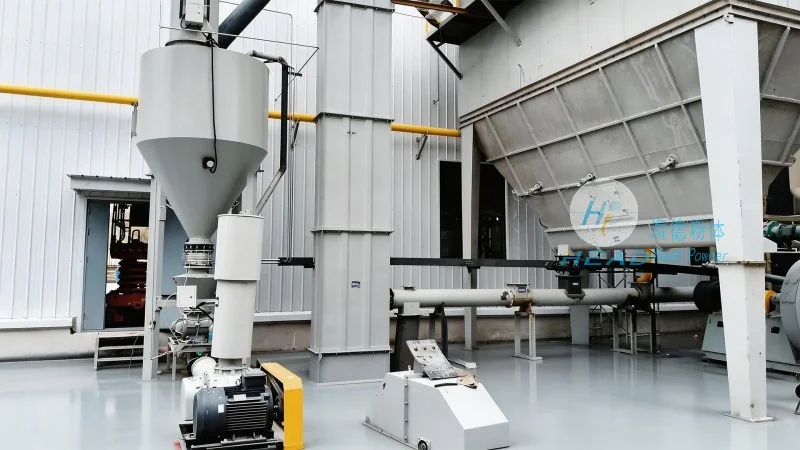
Zinc oxide is a versatile inorganic compound widely used as a raw material in the production of rubber, plastics, paints, and pharmaceuticals. Efficient and reliable material transport is essential to maintain production efficiency and product quality. Pneumatic conveying, which uses air or gas to move bulk materials, offers a flexible and effective solution for zinc oxide handling. Two primary methods—positive pressure and negative pressure conveying—differ in their operational principles, advantages, and suitability for specific applications.
Positive pressure conveying, also known as pressure pneumatic conveying, operates by blowing air or gas into a system to move material from a source to a destination. This method is particularly effective for transporting zinc oxide over long distances or through complex piping networks. One of the key advantages of positive pressure systems is their ability to handle abrasive or sticky materials like zinc oxide without causing excessive wear on equipment. The pressurized environment also helps maintain material integrity, reducing the risk of degradation or contamination.
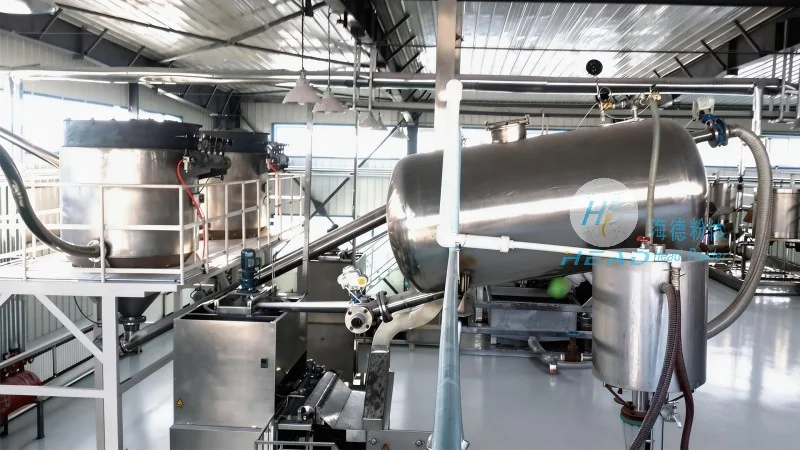
For zinc oxide applications, positive pressure conveying is often preferred when the material needs to be transported from a silo or storage tank to a processing unit, such as a mixer or reactor. The system can handle high material flow rates, making it suitable for large-scale production environments. Additionally, positive pressure systems are relatively easy to install and maintain, as they do not require complex vacuum equipment. However, they may require more energy compared to negative pressure systems due to the need to generate and maintain pressure.
Negative pressure conveying, or vacuum pneumatic conveying, works by creating a vacuum in a system to draw material from a source into a collection point. This method is ideal for applications where the material is to be transported from a process area to a collection or storage unit, such as from a production line to a hopper. One of the main benefits of negative pressure systems is their lower energy consumption, as they rely on the vacuum created by a fan or pump rather than pressurized air. This makes them more cost-effective for short-distance or low-flow applications.

For zinc oxide handling, negative pressure conveying is often used in scenarios where the material is generated at the point of use, such as in a pharmaceutical manufacturing facility where zinc oxide is mixed with other ingredients. The system can effectively collect and transport the material without generating excessive dust or air emissions. However, negative pressure systems may have limitations when dealing with highly abrasive or sticky materials, as the vacuum can cause material buildup on the system components. Additionally, they may not be suitable for long-distance transport due to the potential for material deposition or clogging in the piping.
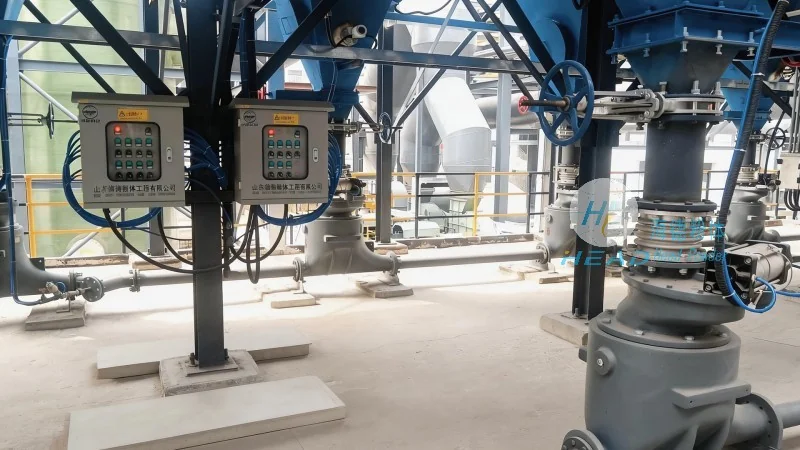
When selecting a pneumatic conveying system for zinc oxide, several factors must be considered to ensure optimal performance and efficiency. The first consideration is the distance and layout of the material transport path. Positive pressure systems are generally more suitable for long-distance or complex piping networks, while negative pressure systems are better for short-distance or simple layouts. The second factor is the material characteristics, including particle size, density, and flowability. Abrasive or sticky zinc oxide may require the robust design of positive pressure systems, while less abrasive materials might work well with negative pressure systems.
The third consideration is energy consumption and operational costs. Positive pressure systems typically consume more energy due to the need to generate pressure, while negative pressure systems are more energy-efficient. However, the overall cost-effectiveness depends on the specific application and the scale of production. The fourth factor is safety and environmental considerations. Positive pressure systems may require additional safety measures to prevent pressure buildup or material leaks, while negative pressure systems can help reduce dust emissions by capturing material at the source.

 Shandong Headpowder Engineering Co., Ltd.
 156-6277-7102(Manager Zhang)
  0531-83386006
  Zhangqiu District, Jinan City, Shandong Province, China
telephone
WeChatconsult
top