With more than 10‑year industry experience, Shandong Headpowder delivers full‑service pneumatic‑conveying systems and blowers, undertaking nationwide turn‑key powder‑handling projects.
Pneumatic conveying is a critical method for transporting bulk materials like soda ash (sodium carbonate) in industrial settings. This technology involves moving materials through a pipeline using air or other gases, eliminating the need for mechanical components such as conveyors or elevators. For soda ash, which is often used in chemical manufacturing, glass production, and water treatment, the choice between positive pressure and negative pressure systems can significantly impact operational efficiency, cost, and material handling safety.
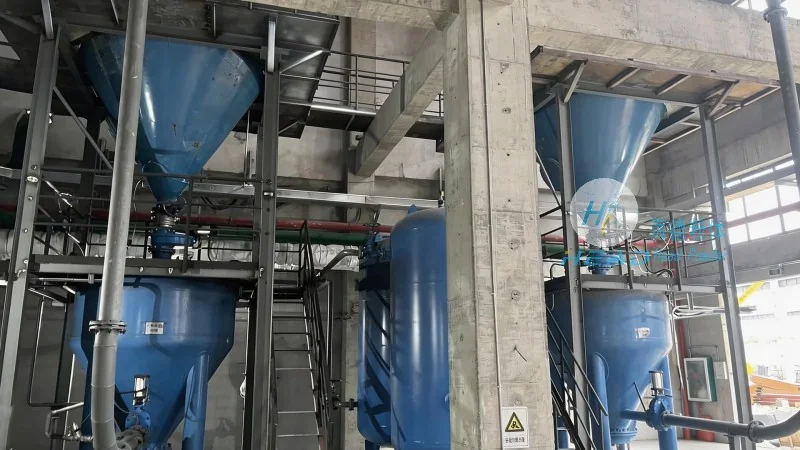
Positive pressure pneumatic conveying operates by blowing air or gas into the material stream, creating a pressure higher than the ambient air. This method pushes the material through the pipeline. In the context of soda ash, positive pressure systems are typically used for long-distance or high-capacity transport. They are particularly effective when the material is abrasive or has a high moisture content, as the higher pressure helps maintain material integrity and prevents clogging. The system often includes a blower or compressor at the inlet, which supplies the necessary pressure to move the material. A key advantage of positive pressure is its ability to handle a wide range of material properties, including fine powders and granules. However, it may require more robust equipment and higher energy consumption compared to negative pressure systems.
Negative pressure pneumatic conveying, also known as suction or vacuum conveying, works by creating a vacuum at the inlet, drawing material into the pipeline. This method is commonly used for shorter distances or when the material is relatively light and non-abrasive. For soda ash, negative pressure systems are suitable for applications where the material is to be collected from a hopper or silo and transported to a processing unit. The system typically includes a vacuum pump or fan at the outlet, which creates the suction force. A major benefit of negative pressure is its lower energy consumption and reduced equipment wear, as it relies on the natural flow of material under vacuum. However, it may struggle with handling highly abrasive or sticky materials, as the vacuum can cause material to adhere to the pipeline walls, leading to blockages. Additionally, the system's capacity is often limited by the vacuum level achievable, making it less suitable for long-distance transport.
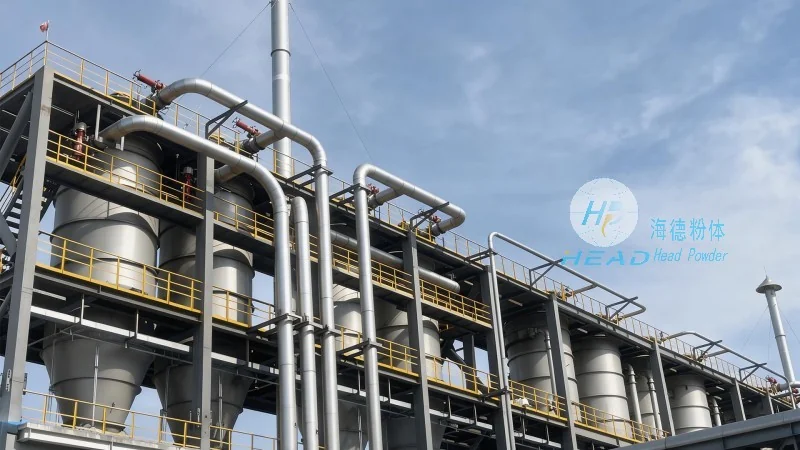
When evaluating the two pneumatic conveying methods for soda ash, several factors must be considered to determine the most suitable option. The primary difference lies in the direction of air flow and the pressure differential. Positive pressure systems use higher pressure to push material, while negative pressure uses lower pressure (vacuum) to pull material. In terms of efficiency, positive pressure generally offers higher throughput and is better suited for high-volume applications, whereas negative pressure is more energy-efficient and ideal for low-volume or short-distance transport. From a cost perspective, positive pressure may require more initial investment due to the need for high-pressure blowers, but it can be more cost-effective in the long run for large-scale operations. Negative pressure, on the other hand, has lower operational costs but may incur higher maintenance due to the vacuum system's components. Material properties are also a critical factor: positive pressure excels with abrasive or sticky materials, while negative pressure may be limited with such materials. Finally, operational safety is a key consideration. Positive pressure systems can pose explosion risks if the material is flammable, as the high-pressure air can ignite dust. Negative pressure systems, while safer in this regard, may require additional measures to prevent dust inhalation and environmental contamination.

The choice between positive and negative pressure pneumatic conveying for soda ash depends on specific application requirements. For example, in a glass manufacturing plant where large quantities of soda ash are transported over long distances to a furnace, a positive pressure system may be preferred due to its high capacity and ability to handle abrasive material. Conversely, in a water treatment facility where small amounts of soda ash are added to a treatment tank, a negative pressure system could be more appropriate due to its lower energy consumption and simplicity. Another practical consideration is the layout of the facility. Positive pressure systems are often used in linear or straight-line configurations, as the pressure can maintain material flow without significant bends or changes in direction. Negative pressure systems, however, can handle more complex layouts, including vertical lifts and multiple branches, as the vacuum can pull material through various paths. Maintenance and downtime are also important factors. Positive pressure systems may require more frequent maintenance of the blower and pipeline due to the high pressure, while negative pressure systems may need more attention to the vacuum pump and filter systems to prevent clogging.
Both positive pressure and negative pressure pneumatic conveying offer viable solutions for transporting soda ash, each with its own advantages and limitations. The optimal choice depends on factors such as material properties, transport distance, capacity requirements, and operational costs. For industrial applications requiring high efficiency and reliability, positive pressure systems are often the better option, especially when dealing with abrasive or high-volume materials. Negative pressure systems, while more energy-efficient, are better suited for low-volume or short-distance transport and applications where safety and simplicity are paramount. Ultimately, the decision should be based on a thorough analysis of the specific needs of the operation, considering both short-term and long-term operational goals. Shandong HeadPowder Engineering Co., Ltd. provides customized pneumatic conveying solutions tailored to the unique requirements of soda ash handling, helping clients achieve optimal performance and cost-effectiveness in their material transport processes.

 Shandong Headpowder Engineering Co., Ltd.
 156-6277-7102(Manager Zhang)
  0531-83386006
  Zhangqiu District, Jinan City, Shandong Province, China
telephone
WeChatconsult
top