

What is an Automatic Bulk Material Pneumatic Conveying System? What are its Design Principles?
An automatic bulk material pneumatic conveying system is a sophisticated industrial solution designed to transport bulk materials such as powders, granules, and other particulate substances from one location to another within a facility. This technology utilizes compressed air or other gases to create a flow that moves the material through a network of pipes and components. The system is engineered to handle various material types with precision, ensuring consistent and efficient material transfer while maintaining product integrity.
Key Design Principles of Pneumatic Conveying Systems
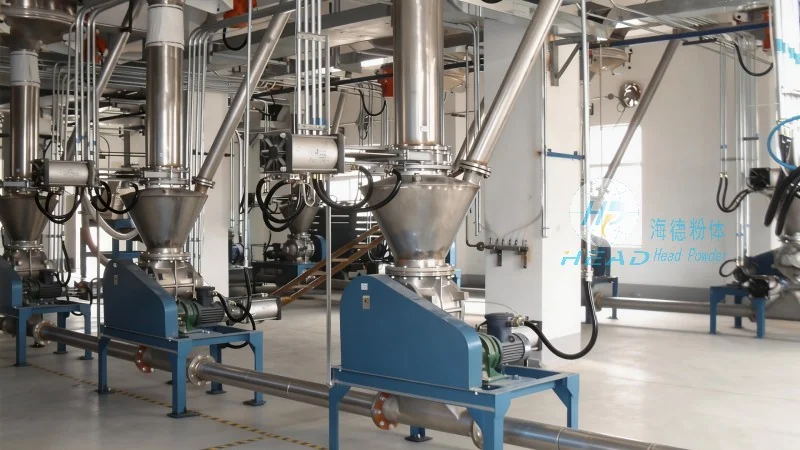
The design of an automatic bulk material pneumatic conveying system is based on several critical principles that ensure optimal performance and reliability. First, the system must be tailored to the specific characteristics of the material being conveyed, including particle size, density, moisture content, and flowability. This involves selecting appropriate components such as feeders, cyclones, and filters that are compatible with the material's properties. Second, the system must maintain a consistent air flow rate and pressure to achieve stable material transport. This is typically achieved through the use of positive displacement blowers or rotary lobe compressors, which provide a steady stream of air. Third, the system incorporates safety features to prevent material buildup and ensure smooth operation. These may include pressure relief valves, check valves, and automatic shut-off mechanisms that activate in case of blockages or other issues. Additionally, the design considers the overall layout of the facility, ensuring that the conveying lines are arranged to minimize distance and energy consumption while optimizing material handling efficiency.
Components and Functionality of the System
The automatic bulk material pneumatic conveying system consists of several key components that work together to achieve efficient material transport. The primary components include a material feeder, which is responsible for feeding the bulk material into the conveying line at a controlled rate. The feeder may be a screw feeder, vibratory feeder, or rotary valve, depending on the material's characteristics and the required flow rate. The conveying line itself is typically made of stainless steel or other corrosion-resistant materials to withstand the abrasive nature of the bulk material and the effects of compressed air. The line is equipped with elbows, bends, and straight sections to guide the material through the system. At the receiving end, a cyclone separator or filter is used to separate the material from the air stream, allowing the material to be deposited into a storage bin or processing equipment. The air, now free of material particles, is then discharged through a vent or returned to the system for reuse. The system may also include a dust collection system to capture any fine particles that escape during the conveying process, ensuring compliance with environmental regulations and maintaining a clean working environment.

Advantages of Using an Automatic Pneumatic Conveying System
Implementing an automatic bulk material pneumatic conveying system offers numerous advantages for industrial operations. One of the most significant benefits is the ability to handle a wide range of materials, from fine powders to coarse granules, without the need for manual handling or mechanical conveyors. This reduces labor costs and minimizes the risk of material contamination or damage. The system also provides high levels of flexibility, as it can be easily reconfigured to accommodate changes in production requirements or material types. Additionally, pneumatic conveying systems are compact and can be installed in tight spaces, making them ideal for facilities with limited floor space. The system operates with minimal maintenance, as the components are designed to withstand the rigors of continuous operation. This results in lower downtime and reduced maintenance costs over the system's lifespan. Furthermore, the system enhances safety by eliminating the need for manual handling of bulk materials, which can be hazardous due to dust exposure or material weight. The automated nature of the system also reduces the risk of human error, ensuring consistent and reliable material transfer.
Application Examples and Industries
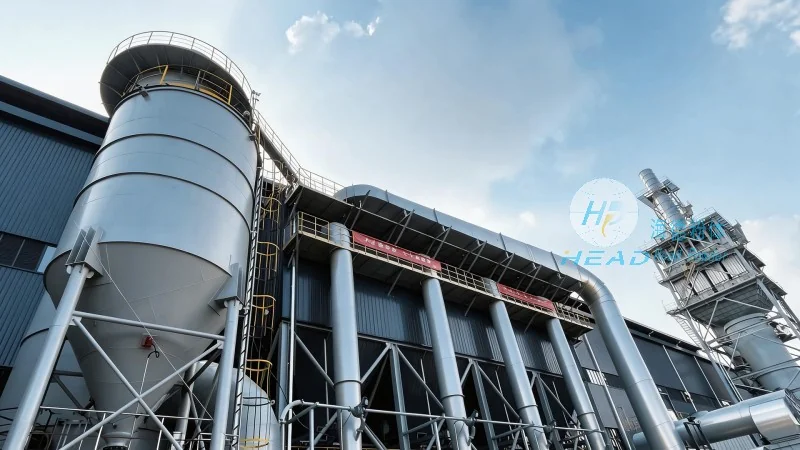
The automatic bulk material pneumatic conveying system is widely used in various industries that require efficient bulk material handling. In the pharmaceutical industry, the system is used to transport raw materials and finished products with strict hygiene and contamination control requirements. The stainless steel construction and enclosed design of the system ensure that the materials remain clean and free from contaminants. In the food industry, the system is used to convey ingredients such as flour, sugar, and spices, maintaining the quality and freshness of the products. The system's ability to handle fine powders without caking or agglomeration is particularly beneficial in food processing. In the chemical industry, the system is used to transport powders and granules that may be hazardous or reactive, ensuring safe and controlled handling. The system's design allows for the integration of safety features such as explosion-proof components and pressure relief valves, which are essential for handling potentially dangerous materials. In the mining and mineral processing industry, the system is used to transport ore and other minerals from processing plants to storage facilities or for further processing. The system's high capacity and ability to handle abrasive materials make it suitable for heavy-duty applications.
Conclusion and Company Overview
An automatic bulk material pneumatic conveying system is a vital component in modern industrial operations, providing efficient, reliable, and safe material handling solutions. The design principles and components of such a system are tailored to meet the specific needs of the material being conveyed and the operational requirements of the facility. By leveraging advanced technology and engineering, these systems ensure consistent performance and minimal downtime, contributing to increased productivity and cost savings. Shandong HeadPowder Engineering Co., Ltd., a leading provider of bulk material handling solutions, specializes in designing and manufacturing high-quality pneumatic conveying systems that meet the diverse needs of various industries. With a focus on innovation and customer satisfaction, HeadPowder delivers customized solutions that enhance operational efficiency and ensure the integrity of bulk materials throughout the conveying process. Based in Shandong, China, HeadPowder leverages its expertise and experience to provide reliable and durable systems that meet the highest standards of performance and safety.