With more than 10‑year industry experience, Shandong Headpowder delivers full‑service pneumatic‑conveying systems and blowers, undertaking nationwide turn‑key powder‑handling projects.
For industrial applications requiring the efficient and reliable transport of fine light sand materials, pneumatic conveying systems offer a versatile solution. The classification and composition of these systems are critical to understanding their functionality and suitability for various operational needs. This article provides an in-depth overview of the key categories and components that define fine light sand pneumatic conveying systems, presented by Shandong HeadPowder Engineering Co., Ltd., a leading provider in the field based in China.
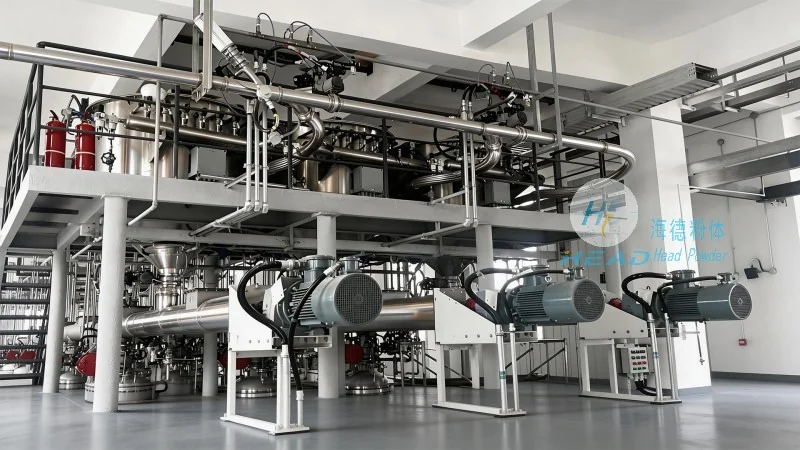
Fine light sand, often used in construction, foundry, and other industrial processes, presents unique challenges for material handling due to its light weight and fine particle size. Traditional methods like bucket elevators or belt conveyors may struggle with dust generation, material degradation, or inefficiencies in handling such materials. Pneumatic conveying systems, which use air pressure to transport materials through a closed pipeline system, address these challenges by providing a clean, dust-free, and energy-efficient solution. The effectiveness of a fine light sand pneumatic conveying system depends on its proper classification and the integration of essential components that work in harmony to achieve optimal performance.
Based on the pressure differential and operational principles, fine light sand pneumatic conveying systems can be classified into two primary types: positive pressure systems and negative pressure systems. Each type has distinct characteristics and is suited to different operational scenarios.
Positive pressure systems operate by blowing air into the conveying line, creating a pressure higher than the ambient air pressure. This method is particularly effective for transporting fine light sand over long distances or through complex pipeline networks. The system typically includes a blower or fan that generates the necessary pressure, a feed hopper to introduce the material, and a discharge point where the material is released. Positive pressure systems are known for their high conveying capacity and ability to handle abrasive or corrosive materials, making them a popular choice for industrial applications.
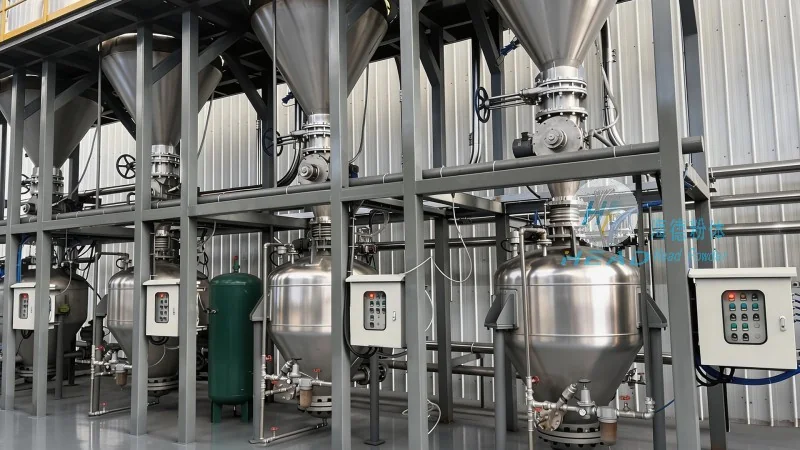
Negative pressure systems, also known as vacuum systems, operate by creating a vacuum in the conveying line, drawing material from the source into the system. This approach is ideal for applications where material is to be collected from multiple points or where the material is sensitive to pressure changes. The system utilizes a vacuum pump to maintain the low pressure, and the material is drawn through the pipeline to a central collection point. Negative pressure systems are often preferred for their ability to handle fine powders without generating excessive dust, though they may have lower conveying capacities compared to positive pressure systems.
Regardless of the classification, fine light sand pneumatic conveying systems consist of several core components that work together to ensure efficient material transport. These components are designed to handle the unique properties of fine light sand, such as low bulk density and fine particle size.
The feed hopper is the initial component where fine light sand is introduced into the system. It is typically equipped with a metering device, such as a rotary valve or screw feeder, to control the flow rate of the material. This ensures a consistent and controlled feed into the conveying line, preventing overloading or underloading that could affect system performance. The design of the feed hopper is crucial to minimize material bridging or segregation, which can lead to uneven flow and system inefficiencies.
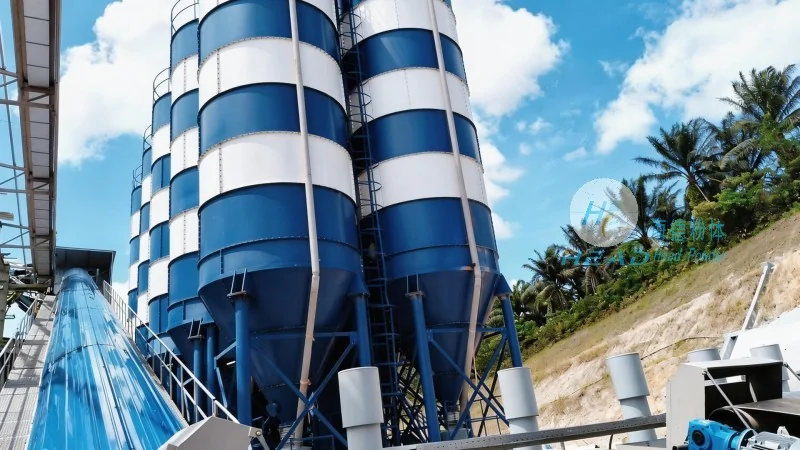
The conveying pipeline is the central part of the system, responsible for transporting the fine light sand through the air stream. The pipeline is usually made of materials like stainless steel or PVC to resist corrosion and abrasion from the fine particles. The diameter and length of the pipeline are carefully selected based on the material's properties and the required conveying distance. For long-distance transport, the pipeline may include bends, elbows, or expansion joints to accommodate changes in direction or elevation, ensuring smooth material flow without causing blockages or pressure losses.
The blower or vacuum pump is the power source that drives the pneumatic conveying system. In positive pressure systems, a high-pressure blower generates the necessary airflow to push the material through the pipeline. In negative pressure systems, a vacuum pump creates the low-pressure environment that draws the material into the system. The selection of the blower or pump depends on the system's classification, the material's characteristics, and the required conveying capacity. Proper sizing of the power unit is essential to maintain the system's efficiency and prevent energy waste.
As fine light sand is transported through the pipeline, it may carry air or dust particles that need to be separated from the material. The separation equipment, such as cyclone separators or bag filters, is installed at the discharge point to remove these contaminants. Cyclone separators use centrifugal force to separate larger particles from the air stream, while bag filters trap fine dust particles in fabric bags. This component is vital for maintaining a clean and safe working environment, as well as preventing material loss or system blockages caused by accumulated dust.
Modern fine light sand pneumatic conveying systems are equipped with control and monitoring systems to ensure optimal operation and prevent issues. These systems may include pressure sensors, flow meters, and control valves that monitor the system's performance in real-time. The control system can adjust the air pressure or flow rate based on the material feed rate, ensuring consistent conveying efficiency. Additionally, alarms and safety features are integrated to alert operators of any abnormalities, such as pressure drops or material blockages, allowing for timely intervention and preventing system downtime.
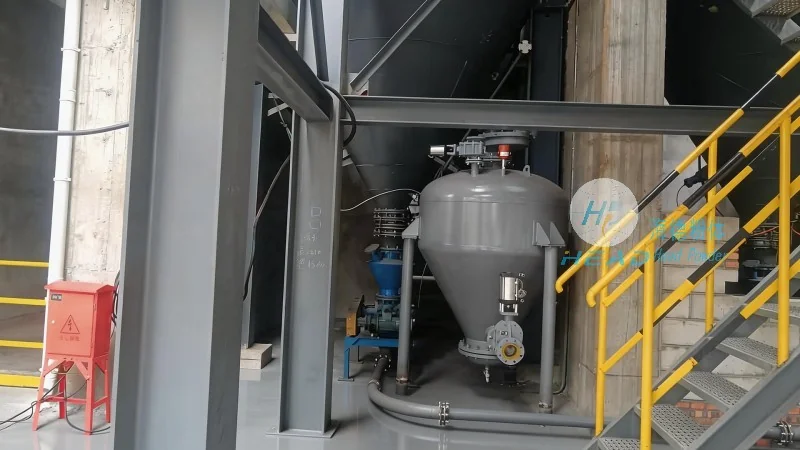
The classification and composition of fine light sand pneumatic conveying systems are tailored to meet the specific requirements of industrial applications. The choice between positive and negative pressure systems depends on factors such as the distance of material transport, the number of collection points, and the material's sensitivity to pressure changes. For example, a positive pressure system may be preferred for long-distance transport of fine light sand from a quarry to a processing plant, while a negative pressure system may be used for collecting dust from multiple points in a foundry environment.
Operational considerations also include the maintenance and upkeep of the system components. Regular cleaning of the pipeline and separation equipment is necessary to prevent material buildup and ensure efficient performance. The blower or pump should be inspected regularly for wear and tear, and the feed hopper and metering device should be checked for proper operation to maintain consistent material flow. By adhering to proper maintenance procedures, the lifespan and efficiency of the fine light sand pneumatic conveying system can be maximized.
Fine light sand pneumatic conveying systems offer a reliable and efficient solution for handling fine light sand materials in various industrial applications. The classification of these systems into positive and negative pressure types, along with the integration of key components such as feed hoppers, conveying pipelines, blowers, separation equipment, and control systems, ensures optimal performance and adaptability to different operational needs. As a leading provider in the field, Shandong HeadPowder Engineering Co., Ltd. specializes in designing and manufacturing customized pneumatic conveying systems that meet the specific requirements of clients, ensuring high-quality material transport and operational efficiency.

 Shandong Headpowder Engineering Co., Ltd.
 156-6277-7102(Manager Zhang)
  0531-83386006
  Zhangqiu District, Jinan City, Shandong Province, China
telephone
WeChatconsult
top